Ornamental · Papaveraceae
Corn Poppy
Papaver rhoeas
Scatter the seed right where you want it, hand it full sun and soil that drains, and the corn poppy rewards you with silky red blooms.
Full sun
Every 5–10 days
30–75°F · -1–24°C
60–90 days
Overview
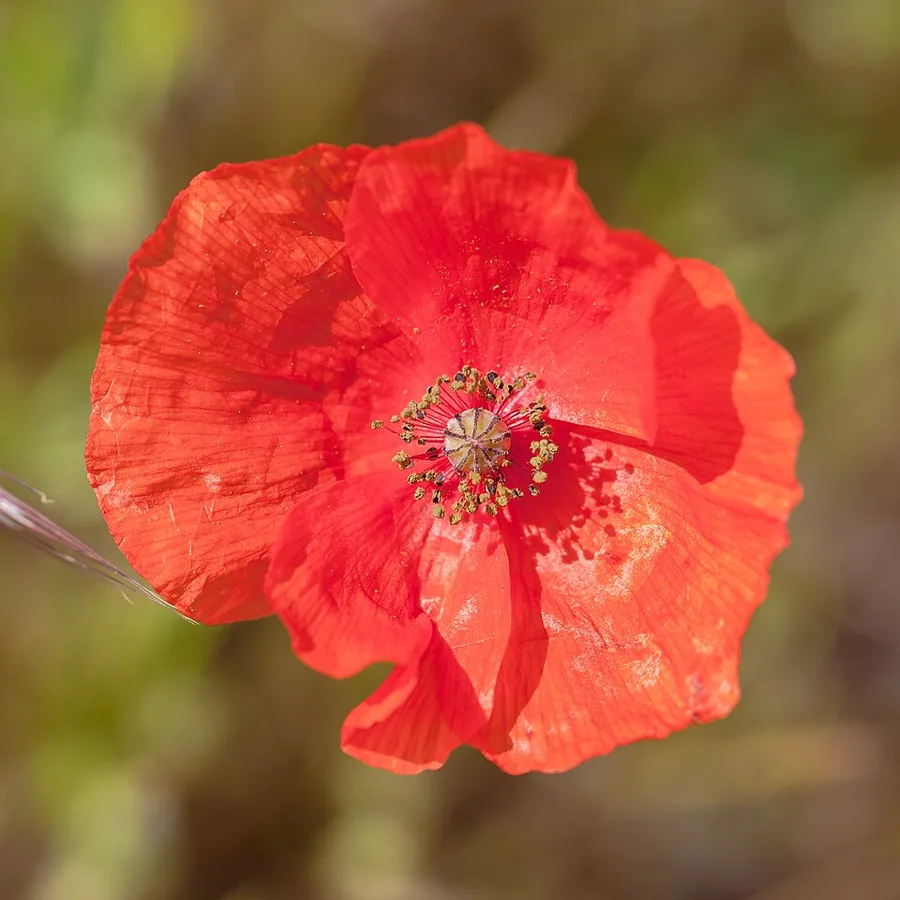
If poppies feel intimidating, take heart, because the corn poppy is one of the most forgiving annuals a new gardener can plant. Those tissue-thin scarlet blooms are the same ones that once colored the battlefields of Flanders, and the plant is a wild wanderer through European fields and roadsides. Best of all, it keeps a tidy size at 9 to 18 inches (23 to 46 cm) tall, so it fits almost anywhere you can offer sunshine and ground that drains well.
Do not worry if a flower fades fast. Each slim, bristly stem lifts one cupped bloom that opens for a day, sometimes two, before another takes its place, and the plants keep this going from late spring into mid-summer. After that they form papery pods and quietly bow out. It lives a single season, but it drops seed so generously that fresh plants tend to appear on their own the next year, which means less work for you.
Forgiving as it is, the corn poppy does know what it likes: plenty of sun, cool weather while it gets going, and soil that never turns to muck. The one thing it truly resists is being uprooted and replanted. So the gentle path to success is simple. Sow the seed in the exact spot you want flowers, then leave it be and let it settle in on its own terms. Get that part right and the rest tends to take care of itself.
Care
The short version: give it a sunny spot, steady but modest moisture, and soil that drains well, then sow the seed straight into the garden during cool weather and leave it there, because moving it is the one thing it will not forgive.
Light
For the fullest, longest run of flowers, offer your corn poppy all the sun you can. A touch of afternoon shade is welcome where summers turn fierce, yet park it in deep shade and you will get lanky, leaning stems and only a scattering of blooms.
Water
Keep the moisture gentle and steady, letting the upper half of the soil dry out before you water again, which usually lands around every 5 to 10 days. This poppy is not fond of extremes, so a long dry spell will leave it thin while waterlogged ground rots the roots, most of all through winter. When in doubt, lean a little dry.
Soil
Settle the seed into loam that drains freely, sweetened with a little compost if you have it, though ordinary garden soil is perfectly fine as long as water passes through and does not pool. It is happy anywhere from a pH of 6.0 to 7.5. Do not fuss over richness, because good drainage is what really counts.
Temperature
This is a cool-season plant at heart, content between 30°F to 75°F (-1°C to 24°C). It sprouts and grows most happily in the mild stretches of spring or fall, and once real summer heat sets in, the flowers wind down fairly fast. That is normal, not a mistake on your part.
Humidity
It prefers dry air, and there is no percentage you need to hit. What matters far more is moving air, because still, damp, crowded leaves are what open the door to mildew and gray mold. Give the plants a little breathing room and you sidestep most of that.
Feeding
Good news for the low-effort gardener: this plant hardly needs feeding. A light helping of balanced fertilizer or compost mixed in at sowing time is plenty, and if your soil is already rich you can skip even that. Pile on too much and you grow lush leaves and far fewer flowers.
Pruning
Pinch off the faded flowers and the plant keeps sending up new ones for a good while longer. It also helps to remove the seed pods before they ripen, unless you would happily welcome a crowd of self-sown seedlings next spring, which many gardeners do.
Repotting
Here is one chore you can cross off entirely: there is no repotting. Corn poppy is sown in place and left alone, since disturbing its roots upsets it and it simply is not a long-term container plant.
Size & spacing
Expect a neat, modest plant standing 9 to 18 inches (23 to 46 cm) tall. Give each one about 6 to 12 inches (15 to 30 cm) of room, thinning if the seedlings come up thick, so air can slip between them and keep the leaves dry.
When to plant
Because this poppy craves cool weather and refuses transplanting, the whole game is putting seed in the soil at the right time, and that part is easy to get right. In mild-winter areas, sow in late fall. Where winters bite harder, hold off until early spring. Blooms arrive from late spring into mid-summer, about 60 to 90 days after you sow, so a little patience pays off.
Northern hemisphere
Southern hemisphere
Typical months for a temperate climate: start earlier in warm zones, later where spring frosts linger.
- Sow: Not recommended; seedlings resent transplanting. Sow seed directly in place.
- Plant: Direct-sow in late fall in mild/southern regions or early spring in northern regions; seed needs light, cover no more than 1/8 inch.
- Harvest: Late spring to mid-summer (June to August)
Hardiness
USDA hardiness zones: 3–10
Temperature: down to -40°C
Troubleshooting
Take a breath, because nearly every problem a poppy runs into traces back to two easy things: soggy soil or stale, still air. Spot it early and the cure is often just better drainage or a bit more elbow room between plants. Find your symptom below, make one small change, and you will likely turn it around.
Yellowing plants that flop over from rotten roots
If your poppies are going yellow and toppling over, the culprit is almost surely root rot, brought on by ground that stays soaked, often through winter or from a heavy hand with the hose. Scratch into the base and you will meet soft, brown roots sitting in soil that never quite dries. The good news is you can act: open up the drainage, ease off the watering, and gently lift the worst plants so the rot has nothing left to spread through.
Fix:
- Improve drainage and stop supplemental watering
- Remove and discard severely affected plants
- Avoid replanting poppies in the same poorly drained spot
Fuzzy gray mold coating the blooms and foliage
When the weather turns cool and wet and the plants sit too close together, botrytis can move in, a gray mold that lands on tired flowers and leaves and rots them away. During damp spells, watch for a grayish fuzz on the failing parts. Trimming out the affected pieces, opening up the spacing, and keeping water off the foliage will usually set things right again.
Fix:
- Remove and destroy affected plant parts
- Increase air circulation through spacing and thinning
- Avoid overhead watering
A dusty white film spreading over the leaves
That chalky white coating across the top of the leaves is powdery mildew, and it thrives when the air is humid and hardly moving. Brush a patch with a fingertip and some of it wipes away, which is how you know what you are dealing with. Thin the planting, pull the most-covered leaves, and stop letting the plants crowd so a good breeze can reach every one.
Fix:
- Improve air circulation
- Remove heavily infected foliage
- Avoid overcrowding plantings
Uninvited seedlings turning up across the beds
Corn poppy is an enthusiastic self-seeder, and its ripe pods fling seed that sprouts well beyond the spot you first chose. You will notice young plants you never sowed clustering where last season's flowers stood. This is easy to manage: clip the pods before they ripen, and simply pull any wanderers you would rather not keep.
Fix:
- Remove seed pods before they mature and shed seed
- Pull unwanted volunteer seedlings
Toxicity
Here is the part to be mindful of. Every piece of the corn poppy carries a milky sap holding opium-type alkaloids, so the growing plant is toxic to cats, dogs, horses, and other animals, and the fresh plant is not something people should eat. The dried seeds sold for baking stay safe in the kitchen, but it is wise to keep curious pets and little ones away from the sap, the stems, and the unripe pods.
Toxic to
Cats · Dogs · Horses · Rabbits · Livestock · Birds · People
Cats Toxic
If a cat tastes the sap or pods, the opium-type alkaloids can make it sleepy and unsteady, often with drooling and little interest in food. A big mouthful may slow its breathing and lead to heavy sedation, so keeping it out of reach is the kind thing to do.
Dogs Toxic
A dog that gnaws the leaves or pods can start drooling, go off its food, and turn drowsy and shaky on its legs. Larger amounts weigh more heavily on the nervous system and can slow the breathing down.
Horses Toxic
A horse that grazes on poppy may turn sluggish and clumsy, with colic-like discomfort in the gut. The narcotic alkaloids act on the nervous system, so even a curious bite is best prevented.
Rabbits Toxic
The opium-type alkaloids that affect cats and dogs are just as unsafe for a rabbit, and its small body leaves very little room for error. Tuck the plant, its sap, and the pods somewhere a rabbit can never reach.
Livestock Toxic
Cattle, sheep, and goats can grow drowsy and unsteady after grazing poppy, with drooling and a slowed gut and breathing. Most animals avoid the bitter leaves on their own, though hungry or unfamiliar stock are the ones to watch.
Birds Toxic
The narcotic sap and alkaloids reach into every green part, so neither pet birds nor poultry should peck at the plant. Sweep any cut stems and dropped pods well away from cages and runs.
People Caution
The milky sap in the stems and green pods holds opium-type alkaloids that can bring on drowsiness and an upset stomach, so the fresh plant is not for eating. The dried seeds used in the kitchen are perfectly safe to bake with, but keep children away from the sap and the unripe seed heads.
All parts contain a white to yellowish latex and alkaloids; keep cut stems, seed pods, and plant debris away from pets.
Helpline numbers

United States
ASPCA Animal Poison Control: (888) 426-4435 (fee applies)
Poison Control: (800) 222-1222



Canada
Poison Centres: 1-844-764-7669
Varieties
Beyond the wild red, growers have coaxed the corn poppy into a lovely span of colors through a few named seed strains. The three below are the ones you are most likely to find on the seed rack, and any of them makes a welcoming first choice.
Shirley Series
A friendly seed strain offering both single and double flowers in reds, pinks, whites, and edged picotee tones, and it leaves behind the dark central blotch of the wild poppy.
American Legion
Clear scarlet-red single blooms, long loved as the traditional flower for remembrance gardens.
Falling in Love
A soft blend of bicolor and pastel flowers, semi-double to double, in gentle pink, salmon, and white.
How to propagate
There is really just one way to grow it, and thankfully it is the simplest: scatter seed right where you want the flowers, since the young seedlings will not tolerate being lifted and moved.
SeedEasy
Direct-sow in late fall in mild/southern climates or early spring in northern climates · Germinates in about 7 to 28 days depending on soil temperature; blooms the same season
Growing corn poppy from seed is refreshingly simple, as long as you sow it right where it will bloom, because the seedlings dislike being moved and seldom recover from it. Choose late fall in mild-winter regions or early spring where it stays colder. The seed wants light to wake up, so just press it against the soil and barely cover it, no deeper than 1/8 inch, then keep the surface damp. Sprouts appear in about 7 to 28 days depending on how warm the soil is, and the plants flower that very season.
Myths
Corn poppy is really the opium poppy used to make drugs.
Not so. The corn poppy is Papaver rhoeas, while the true opium poppy is a separate species called Papaver somniferum. Rather than the strong morphine of its cousin, corn poppy holds milder isoquinoline alkaloids like rhoeadine. They share a family, but they are not the same plant.
Poppies must be safe for pets since they are such ordinary garden flowers.
A flower being common tells you nothing about whether it is safe. Poppy is toxic to cats and dogs, and its opium-type alkaloids can leave an animal drooling, groggy, and wobbly after just a nibble. Familiar does not mean harmless.