Shrub · Caprifoliaceae
Glossy Abelia
Abelia × grandiflora
Give it sun and soil that drains well, and glossy abelia will reward you with flowers from late spring to frost, almost on its own.
Full sun
Every 5–10 days
USDA 6–9
2–8 ft · 0.8–2.4 m
Overview
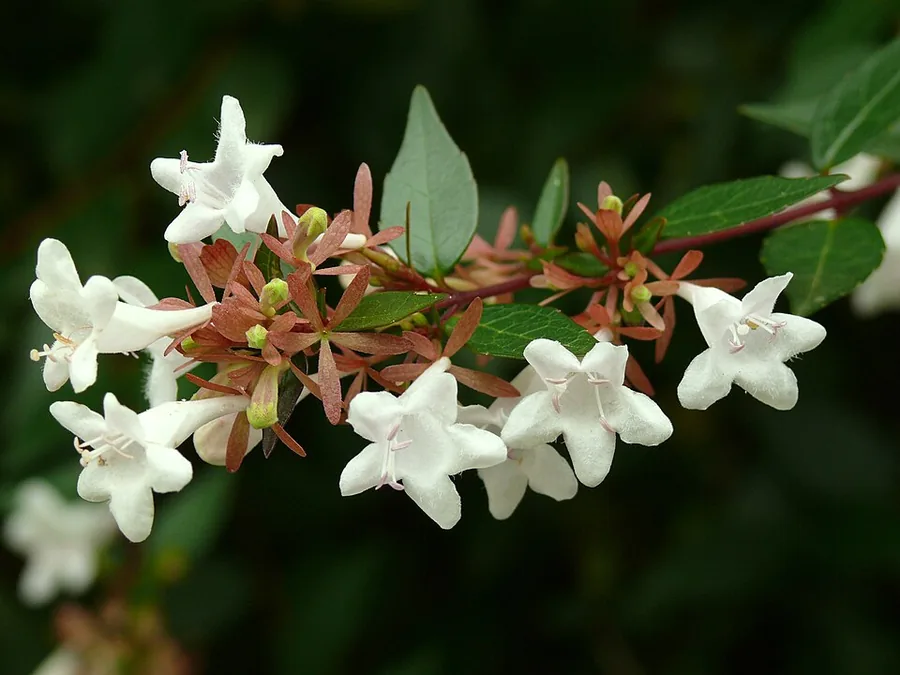
If you are looking for a shrub that forgives a beginner, glossy abelia is a gentle place to start. It opens little fragrant flowers from late spring all the way to the first frost, while its softly arching stems lend a relaxed sway to any border. The name comes from leaves that keep a clean, polished shine for much of the year, so the plant looks cared for even between blooms.
Settle it into USDA zones 6 to 9 and it will be content in full sun, with a kind tolerance for a bit of part shade too. Expect a calm, moderate climb to roughly 2.5 to 8 feet (76 to 244 cm) tall and a spread reaching about 6 feet across. Once its roots feel at home, it brushes off dry stretches and leans on you for very little.
Here is the reassuring part: abelia gives a new gardener plenty back while asking for almost nothing. It flowers on new wood, which means a single easy spring trim keeps it shapely and full of blooms. Many of the named kinds round out the year with fall color, their leaves drifting toward orange and red before the cold sets in.
Care
The short version: plenty of sun with part shade welcome, soil that drains freely yet holds a little organic matter, water as it settles in and through dry weather, and just one easy trim in late winter or early spring.
Light
Your abelia is happiest in full sun, where it sets the most flowers and stays nicely full. It will gladly take partial sun, and even partial shade, though the blooms and fall color grow a touch quieter as the light fades. When you can, pick a bright, open corner for it.
Water
While the plant is busy settling its roots, keep the soil moist and steady, then relax your routine as it finds its footing. Grown in, abelia turns wonderfully drought tolerant and looks for water only every 5 to 10 days, with a little extra during a dry stretch. A good deep drink in dry weather is your secret to the fullest bloom.
Soil
Set it in moist, well-drained loam, clay, or sand, mixing in a bit of organic matter as you go. Most garden ground falls within its easy pH range of 5.5 to 7.5, so you rarely need to fuss over adjustments. The one thing to steer clear of is salty soil, which abelia will not put up with.
Temperature
This is a hardy companion that takes weather in stride, from around -9°F to 95°F (-23°C to 35°C). That comfort zone lines up with USDA zones 6 to 9, helping it ride out both summer's heat and a cold winter. Where winters turn truly fierce, a sheltered nook gives it a helping hand.
Humidity
Everyday outdoor air is just right for abelia, so there is no number you need to chase. Moving air counts for more than the moisture itself, because it is still, damp air around crowded stems that invites gray mold. Simply leave each shrub a little elbow room to breathe.
Feeding
Once a year is plenty: offer a balanced slow-release fertilizer or a comforting layer of compost in early spring. That single seasonal meal is enough to carry the plant through its long run of flowers. Resist the urge to pile on extra nitrogen, since it only pushes soft growth that aphids enjoy.
Pruning
Remember that abelia flowers on new wood, so reach for the shears in late winter or early spring before growth begins. If a plant has grown unruly, do not panic, it handles a hard rejuvenation cut down to about 12 inches (30 cm) above the ground once spring growth starts. Just avoid trimming from late fall through mid-winter, which leaves it open to cold injury.
Repotting
As a garden shrub, abelia is rarely repotted and would much rather stay put in the ground. Should you keep one in a container, simply nudge it up a pot size when roots begin to circle or peek through the drainage holes. Water rushing straight through with little taken up is another quiet hint that it has outgrown its home.
Size & spacing
Grown plants stand 2.5 to 8 feet (76 to 244 cm) tall and spread 3 to 6 feet (91 to 183 cm) wide. Give each one space to fill out so air drifts freely around the stems, which is your easiest way to keep gray mold from settling in during damp spells.
When to plant
Abelia likes to be tucked into the garden during the year's kinder weather. Set it out in spring or fall once hard frost is safely behind you, and the roots have time to take hold before the deep heat of summer or the bite of winter. After that, the flowers simply keep coming from late spring until frost, a generous run for such a relaxed plant.
Northern hemisphere
Southern hemisphere
Typical months for a temperate climate: start earlier in warm zones, later where spring frosts linger.
- Plant: Spring or fall after danger of hard frost has passed.
- Harvest: Late spring through fall (roughly May until frost).
Hardiness
USDA hardiness zones: 6–9
Temperature: down to -23°C
Troubleshooting
Take heart: glossy abelia stays healthy with very little fuss, and the handful of hiccups it runs into are friendly to spot and fix. Most lead back to a harsh winter, still and crowded air, or a rush of tender new growth. Find the picture below that matches yours, then gently step in before anything small grows bigger.
Stems killed back and few flowers after a cold winter
Try not to worry if this happens: it points to winter dieback, common in colder zones where your shrub lives near the chilly edge of where it can grow. Cutting it back from late fall into mid-winter only deepens the cold damage, so hold off. Come spring, scratch a little bark, and where the wood beneath looks brown and dry, trim those tired stems down to live wood or right to the ground as new growth wakes up. Because abelia opens its flowers on fresh wood, you can still look forward to blooms that very same season.
Fix:
- Prune dead stems back to live wood or to the ground when spring growth begins
- Since it blooms on new wood, plants flower the same season after spring cutback
Gray, fuzzy spots on the flowers and soft new growth
What you are seeing is Botrytis, a soft gray mold that creeps in when the air sits still and damp around crowded stems. Look for fuzzy gray-brown patches settling on spent blooms and tender shoots. The good news is the fix is gentle: pinch away the touched flowers and stems, then thin the plant a bit so fresh air can move through. Your shrub will thank you for the breathing room.
Fix:
- Remove and discard affected blooms and stems
- Improve air circulation by thinning and spacing plants
Curled new growth with a sticky film
Here the visitors are aphids, which once in a while gather on the softest fresh shoots. Turn a tip over and peek at the leaf undersides, where you may find little soft-bodied bugs clustered together with a sticky honeydew trail. Nothing here calls for alarm: a firm blast from the hose washes most of them away, and a touch of insecticidal soap clears any stragglers. Abelia hardly notices pests most of the time, so this is rarely more than a passing nuisance.
Fix:
- Dislodge aphids with a strong spray of water
- Treat persistent infestations with insecticidal soap
Toxicity
If your home is full of curious pets or small children, you can breathe easy here: glossy abelia is non-toxic. You will not find it on ASPCA toxic-plant references, and it is treated as safe around cats and dogs. As with any plant, a large mouthful of leaves might lead to a mild upset stomach, but nothing about this gentle shrub asks for special caution.
Safe for
People · Cats · Dogs · Horses · Rabbits · Livestock · Birds
Cats Safe
Your cat can wander past or take a curious nibble with nothing to fear, because glossy abelia carries no toxins for them.
Dogs Safe
A dog is perfectly fine sharing space with this shrub, and an idle chew on a leaf is no cause for concern.
Horses Safe
There is no poisoning danger for horses grazing near abelia, whether in a paddock or beside a fence.
Rabbits Safe
Rabbits stay safe around the plant, though as always leafy greens of any sort are best kept a small treat in their diet.
Livestock Safe
Cattle, goats, and sheep may browse close by with no risk of poisoning from this shrub.
Birds Safe
Whether pet birds or backyard hens, they can live alongside abelia with nothing to worry about.
People Safe
Feel free to plant it where little ones romp and explore, since the shrub poses no danger to children outdoors.
No special handling required; large quantities of any plant material may cause mild stomach upset.
Varieties
A few named kinds of abelia each offer a slightly different take on bloom color, leaf, and shape. Here are the ones worth getting to know before you settle on a favorite.
Rose Creek
Stays neat and mounded, lifting soft pink-tinged blooms over warm reddish stems.
Kaleidoscope
Wears gold-and-green variegated leaves that warm to a glowing orange-red when fall comes around.
Edward Goucher
A close hybrid cousin showing lavender-pink blooms along softly arching branches.
Prostrata
Grows low and wide, settling over the ground like an easy, loose groundcover.
How to propagate
Abelia is among the most beginner-friendly shrubs to multiply at home, and a single plant can hand you several more from cuttings gathered across the warm months.
Stem cuttingsEasy
Take softwood or semi-hardwood cuttings in late spring through summer. · Roughly 35 to 70 days to root depending on temperature.
Making new abelias is wonderfully forgiving, so do not be shy about trying. Snip softwood or semi-hardwood cuttings any time from late spring through summer, and a cozy warm spot near 80°F to 86°F (27°C to 30°C) coaxes roots along in about 35 to 50 days. When things stay cooler the wait stretches nearer to 70 days, so simply keep your cuttings warm and give them a little patience for the strongest start.
Myths
Glossy abelia is poisonous to dogs and cats.
You can set this worry aside: abelia is absent from ASPCA toxic-plant references and counts as non-toxic for both cats and dogs. Like with almost anything green, a really big mouthful could leave a pet with a passing upset tummy. Plant it freely wherever your pets like to wander.
You must prune abelia in fall to keep its size in check.
Since abelia opens its blooms on fresh wood, the kind moment to prune is late winter or early spring instead. Trimming anywhere from late fall through mid-winter just leaves the stems exposed to cold harm. Hold your shears until spring growth stirs, and you get to keep both a tidy shape and a full flush of flowers.