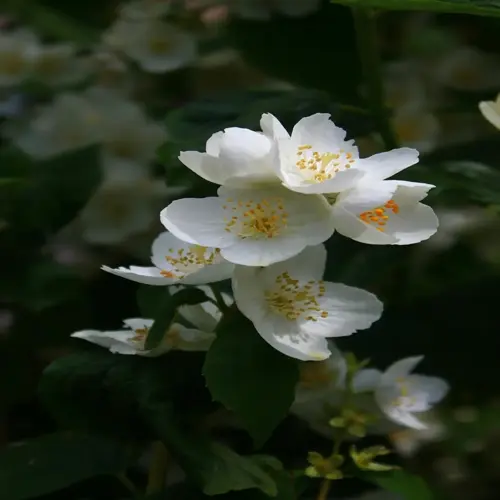

What makes jasmine so special? It blends rare scent genes, thousands of years of history, and deep cultural roots that span whole continents. No other flower brings together this many jasmine unique qualities in one small bloom.
When I first caught jasmine's scent at dusk in a warm garden, I stood still for ten full minutes just breathing it in. The smell was sweet and warm with something almost dreamy under it. That one moment helped me grasp why people have grown this plant for over 2,000 years based on records from Kew Gardens.
The science behind that scent tells you a lot. Jasmine carries 47 terpene synthase genes. That's the highest count found in any flower studied so far. These genes create a mix of scent compounds that no lab perfume has matched yet. The flower lets out most of these compounds after the sun sets. That's why jasmine smells strongest in the evening hours.
The jasmine importance goes far beyond just smelling good. Three countries chose it as their national flower. Pakistan honors it for purity. Indonesia ties it to sacred beauty. The Philippines links it to devotion. Over 200 species exist on every continent but one. Clinical studies show the scent lowers your heart rate and lifts your mood.
Jasmine also works hard outside your garden. Jasmine tea is one of the most popular teas on Earth. Chinese producers scent green tea with fresh jasmine picked at night. Jasmine oil sells for hundreds per ounce. It takes about 7 million flowers to make just one kilo of pure jasmine oil. The perfume and food worlds both lean on this one flower.
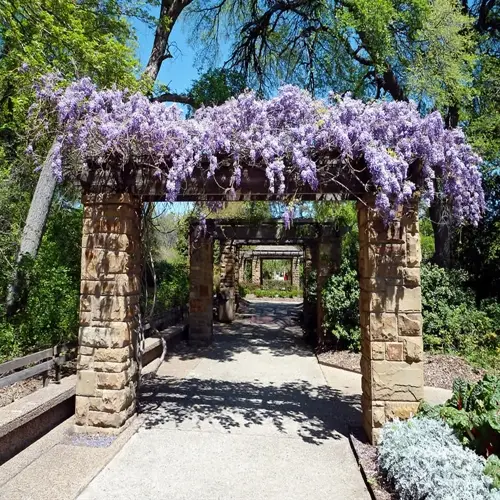
In my experience, few plants match jasmine for sheer range of use. You can grow it as a climbing vine over your archway. You can brew its flowers into calming tea. You can weave it into wedding garlands or set it on a sill to scent your whole room at night. Most flowers serve one or two roles at best. Jasmine fills a dozen.
You can also use jasmine to boost your own mood at home. Studies show that just smelling jasmine for a few minutes can calm your nerves and ease stress. Place a potted plant near where you sit in the evening and let the night scent wash over you. It's a simple and cheap way to add calm to your daily life.
Jasmine earns its place through this stack of gifts no other flower can match. A scent built on 47 genes of rich compounds. A history going back ages across Asia, Europe, and Africa. National flower status in three countries. Proven mood-lifting effects. And a spot in kitchens, temples, labs, and gardens around the world. That is what sets jasmine apart from every other bloom you can grow.
Read the full article: Jasmine Flower Types, Care and Uses