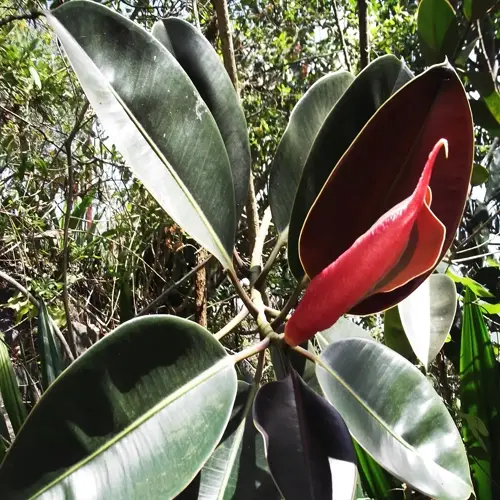

The houseplants that like perlite most are pothos, monstera, philodendron, snake plants, and succulents. Your orchids love it too. Almost every indoor plant grows better with perlite in the mix. It fixes the two biggest pot problems: poor drainage and packed roots.
I added 20 to 25% perlite to my whole houseplant collection about a year ago. Then I tracked which ones responded best. Pothos grew the most new leaves in the shortest time. My monstera pushed out three new leaves in two months after sitting idle for ages. Snake plants that hadn't moved in a full season started making pups within weeks. In my experience, the only plants that didn't show a big change were the ones that were already doing fine.
Using perlite for indoor plants makes sense because of how pots work. Containers don't have the natural drainage that ground soil gives you. Pot soil sits in a closed space where water gets trapped at the bottom. Over months of watering, your mix packs down and loses its air pockets. Root rot from too much water kills more houseplants than any other mistake. Perlite keeps your soil open and draining well.
Pothos, Philodendron, and Monstera
- Ideal ratio: Mix 20% perlite into a standard potting soil for these fast-growing tropical vines and foliage plants.
- Why they respond: Their aerial roots evolved to grip tree bark and need good air flow around them to stay healthy.
- Growth boost: You can expect faster leaf output and stronger roots within the first few months of the switch.
Indoor Succulents and Snake Plants
- Ideal ratio: Use 35 to 40% perlite with a gritty, sandy base for the fast drainage these desert species need indoors.
- Why they respond: They store water in their leaves and will rot if soil stays wet for more than a day or two.
- Growth boost: Perlite for houseplants in this group cuts root rot risk and helps new pups form over time.
Orchids and Air Plants
- Ideal ratio: Blend 30 to 50% perlite with orchid bark for phalaenopsis, oncidium, and other potted orchids.
- Why they respond: These plants grow on trees in nature and their roots need constant air to absorb water and food.
- Growth boost: Better air flow leads to healthier roots, more blooms, and less chance of crown rot in your orchids.
A few houseplants do better with less or no perlite. Your ferns and calatheas like moist soil, so they only need about 10 to 15% perlite to stop full waterlogging. Spider plants and dracaena can get brown leaf tips from the trace fluorine in perlite. Use pumice for those instead.
Start with your most overwatered plant as your first test case. Pick the one with soggy soil or yellow lower leaves and repot it with the right ratio from the list above. Watch your drainage improve over the next few weeks. Once you see the difference, work through the rest of your collection one pot at a time during your normal repotting schedule.
You can buy perlite at any garden center for just a few dollars per bag. One bag goes a long way since you only mix 20 to 40% into each pot depending on the plant. Keep extra perlite in a sealed container so it stays clean and dry between uses. Your whole collection can get the upgrade in one afternoon of repotting.
Your houseplants spend their lives in pots that trap water and pack down over time. Adding perlite is the single fastest way to fix that for them. You'll water less often, lose fewer plants to root rot, and watch your collection grow stronger than it ever has. Give it a try on your next repotting day and see for yourself.
Read the full article: Perlite for Plants: A Complete Guide