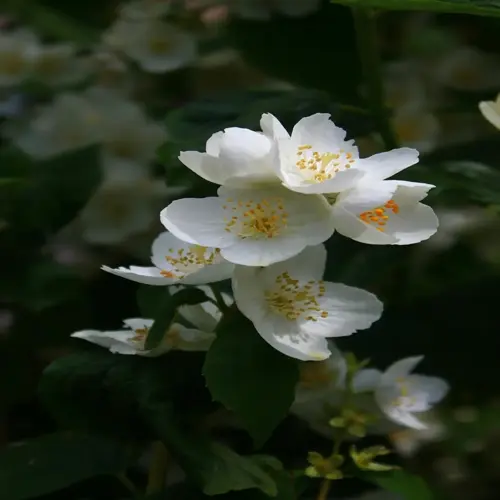

Where does jasmine grow best? In warm, sunny spots with well-drained loamy soil that stays moist but never soggy. Give your plant full sun, rich soil, and some wind shelter and you will see strong growth and heavy blooms all season long.
When I first tested jasmine in my garden, I put plants in three spots with different light levels. The one against a south-facing brick wall grew the fastest by far. That wall held heat from the sun and kept the plant warm at night. My shaded north-side jasmine grew leggy and made almost no flowers. The lesson was clear: your jasmine needs all the sun it can get.
The core jasmine growing conditions come down to three things. Your plant needs 6 or more hours of direct sun each day. The soil should have a pH between 6.0 and 7.0 with lots of compost mixed in. NC State Extension data shows that rich organic soil helps jasmine build stronger roots. Good drainage matters too since wet feet kill jasmine fast.
The jasmine ideal climate falls in USDA zones 7 through 10. These zones cover the southern United States, the coasts, and parts of the Pacific Northwest. Jasmine came from a region that runs from Afghanistan through the Himalayas into China. Those areas share warm summers and mild winters that jasmine evolved to love.
Sunlight and Placement
- Hours needed: Give your jasmine 6 or more hours of direct sun each day for the best flower count and stem strength.
- Best position: Plant near south or west-facing walls where stored warmth makes a cozy pocket for your vine to thrive in.
- Wind shelter: Block cold north winds with a fence about 3 feet (1 metre) from your jasmine to cut frost risk down.
Soil and Drainage
- Soil type: Loamy soil with fast drainage works best for your jasmine roots and keeps rot from setting in during wet spells.
- pH range: Keep your soil between 6.0 and 7.0 for the best nutrient uptake from the ground into the plant.
- Moisture balance: Water when the top inch of soil feels dry to your finger but don't let it get bone dry either.
Container Growing Option
- Pot size: Use a pot at least 12 inches (30 cm) wide with holes in the bottom so water drains out fast after you water.
- Soil mix: Fill with equal parts potting soil, perlite, and compost for quick drainage and steady moisture all season.
- Big bonus: Pots let you move your jasmine inside for winter if you live outside zones 7-10 where it gets too cold.
In my experience, the right spot matters more than the right fertilizer. I moved one jasmine from a shady bed to a sunny wall and it went from zero flowers to dozens in a single season. You don't need fancy tools or rare soil. You just need sun, drainage, and a bit of wind cover to grow great jasmine in your yard.
If your climate falls outside the ideal zones, you can still make jasmine work. Choose winter jasmine for zone 6 and below. Grow tender types in pots and bring them inside when frost comes. Mix sand and compost into heavy clay soil to fix drainage. A thick mulch layer around the base keeps roots warm and soil moist through dry spells.
Plant your jasmine after your last spring frost so it has a full warm season to settle in. Feed it with a balanced fertilizer once a month from spring through late summer. Prune right after the flowers fade to shape your plant and push new growth for next year. With the right spot and basic care, your jasmine will thrive for years to come.
Read the full article: Jasmine Flower Types, Care and Uses