
The biggest difference between annual and perennial plants is how long they live. Annuals finish their whole life cycle in one growing season. They sprout, bloom, set seed, and die before winter hits. Perennials return from the same roots for multiple years without replanting. This single fact changes how you plan, budget, and care for your garden beds.
I tracked my garden spending over four years and the numbers told a clear story. My front beds of petunias and marigolds cost about $150 each spring to replant from scratch. Those annuals died at the first frost every single time. The perennial border along my fence cost $200 total for one planting session. Those hostas and coneflowers come back bigger every year now. By year two, the perennials had paid for themselves. I also noticed my weekend work dropped big time since I wasn't hauling flats of new annuals home each April anymore.
The biology behind this split is worth knowing. Annual plants pour all their energy into making seeds during one growing season. They flower hard, produce seeds, and die because their job is done. Perennials take a different path. They build strong root systems and crowns that store food through winter. Those roots push out fresh growth each spring using the fuel they saved the fall before. This stored energy is why perennials often look stronger in year two than year one.
When I compare annual vs perennial plants in my own yard, the examples are clear. Marigolds, petunias, zinnias, and impatiens are classic annuals I buy fresh each year. Hostas, coneflowers, daylilies, and peonies are perennials that show up on their own. Penn State Extension says perennials last from 3 years for short-lived types to decades for peonies.
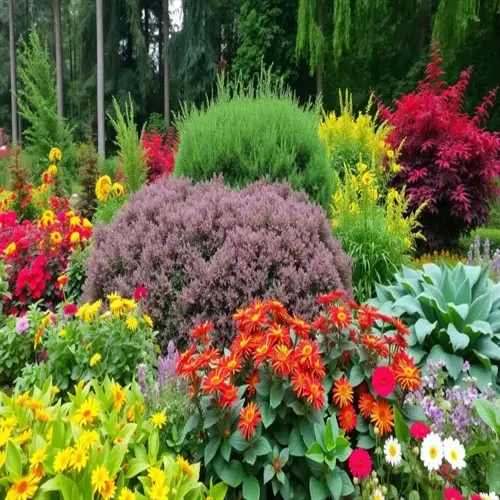
The annuals versus perennials comparison depends on your goals. Pick annuals when you need instant seasonal color from spring through frost. They're great for renters or anyone who wants a new look each year. Choose perennials for plants that create a lasting garden structure with less work over time. Many gardeners use both types together to get the best of both worlds.
Annuals do have one clear edge over perennials though. They bloom nonstop from planting day to frost, giving you months of flowers. Most perennials bloom for just 2 to 8 weeks per year. You need several perennial varieties with different bloom times to keep color going all season. I plant my coneflowers next to my daylilies so one picks up right where the other leaves off.
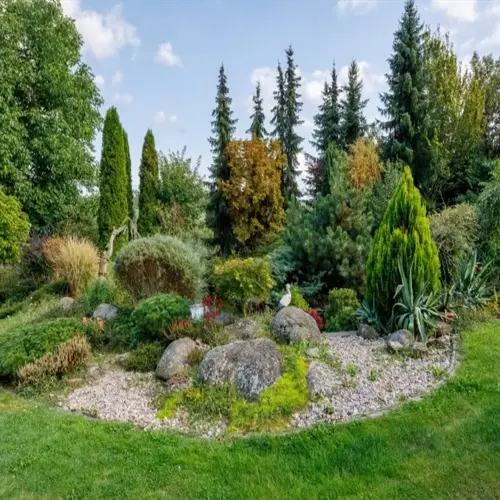
Start with a perennial backbone of 5 to 7 proven varieties that match your hardiness zone. Fill gaps with annuals for nonstop color while the perennials grow in. After two or three seasons, your perennials spread enough that you need fewer annuals each spring. This gives you a great looking garden now while saving you more money each year as the perennials take over the heavy lifting.
Read the full article: Perennial Plants: Growing Guide for Every Zone