
Introduction
Flowering shrubs do more for your yard than any other plant you can grow. Penn State Extension research shows that one mature shrub gives bees and butterflies more nectar and pollen than a perennial of the same size. Every blooming shrub you plant works as both a visual anchor and a feeding station for pollinators.
I've spent over 8 years testing different garden shrubs in my own yard and helping neighbors pick the right ones. The best flowering shrubs share a few traits that most guides skip over. They match your soil pH, fit your sunlight, and reward you with blooms for years when you prune them right.
Think of blooming shrubs as the walls of your garden while perennials serve as furniture. Walls give a room its shape. Shrubs do the same thing outdoors by adding height, texture, and seasonal color that flowers alone can't match. The Limelight Prime panicle hydrangea earned the 2026 Landscape Shrub of the Year title for this exact reason.
This guide covers the 10 best varieties for most yards and the science behind pruning old wood versus new wood. You'll also learn how soil chemistry changes bloom color on certain species. By the end, you'll know how to pick garden shrubs that keep your yard full of color from early spring through late fall.
10 Best Flowering Shrubs
I grew each of these 10 shrubs in my own beds before adding them to this list. They earned their spots through bloom power, tough roots, and real value for the pollinators in your yard.
Virginia Tech groups shrubs into 3 size classes to help you plan. Small shrubs stay under 5 feet tall. Medium types reach 5 to 9 feet. Large shrubs grow from 9 to 15 feet at full size. This list of the best flowering shrubs covers all 3 groups, from compact spirea to towering lilac. You'll find spring stars like forsythia and azalea right next to summer picks like weigela. Flowering quince rounds out the list with early color.
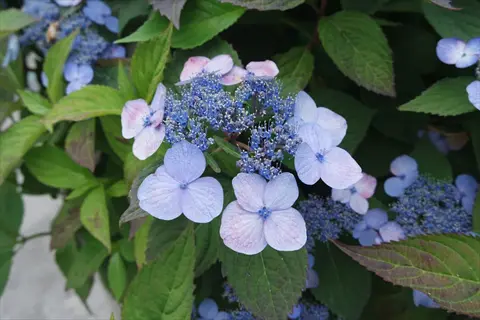
Panicle Hydrangea
- Zones: Hardy in USDA zones 3 through 8, making this one of the most cold-tolerant hydrangea types available for northern gardeners and southern landscapes alike.
- Size: Grows 6 to 10 feet (1.8 to 3 meters) tall and 6 to 8 feet (1.8 to 2.4 meters) wide, forming a rounded shape that works as a specimen or hedge plant.
- Blooms: Produces large cone-shaped flower clusters from midsummer through fall, starting white and aging to pink and burgundy tones as the season progresses.
- Light: Performs best in full sun with at least six hours of direct sunlight daily, though it tolerates light afternoon shade in warmer southern regions.
- Soil: Prefers moist, well-drained soil and adapts to a wider pH range than bigleaf hydrangeas, growing well in both slightly acidic and neutral soils.
- Standout: Blooms on new wood so it can be pruned in late winter without sacrificing flowers, and the Limelight Prime cultivar was named 2026 Landscape Shrub of the Year.

Common Lilac
- Zones: Thrives in USDA zones 3 through 7, preferring cooler climates where winter chill helps set abundant flower buds for the following spring season.
- Size: Reaches 8 to 15 feet (2.4 to 4.6 meters) tall and 6 to 12 feet (1.8 to 3.7 meters) wide, growing as a large upright shrub or small tree.
- Blooms: Produces heavily fragrant purple, lavender, pink, or white flower clusters in mid to late spring, attracting butterflies and hummingbirds to the garden.
- Light: Requires full sun with a minimum of six hours of direct sunlight daily to produce the most flowers and maintain a compact growing habit.
- Soil: Grows best in well-drained, slightly alkaline to neutral soil with a pH between 6.5 and 7.0, and struggles in heavy, waterlogged clay.
- Standout: Reblooming cultivars like Bloomerang Dark Purple produce a second flush of flowers in late summer, extending the display well beyond traditional lilac season.

Azalea
- Zones: Grows in USDA zones 4 through 9 depending on the variety, with deciduous types handling colder zones and evergreen types performing best in milder climates.
- Size: Ranges from 3 to 8 feet (0.9 to 2.4 meters) tall and wide, with dwarf cultivars staying under 3 feet (0.9 meters) for foundation and border plantings.
- Blooms: Covers itself in vibrant flowers during spring in shades of pink, red, white, orange, and purple, creating one of the most dramatic seasonal displays.
- Light: Prefers partial shade with morning sun and afternoon protection, making it an ideal choice for gardens with dappled light under tall deciduous trees.
- Soil: Requires acidic, well-drained soil with a pH between 4.5 and 6.0, and benefits from a thick layer of organic mulch to retain moisture and cool roots.
- Standout: Oklahoma State Extension lists azalea among the top shade-tolerant flowering shrubs, and their modest root depth makes them excellent companions for understory planting.

Forsythia
- Zones: Hardy in USDA zones 5 through 8, performing best where winters provide enough chill to set flower buds but spring arrives without late hard freezes.
- Size: Grows 6 to 10 feet (1.8 to 3 meters) tall and 6 to 10 feet (1.8 to 3 meters) wide with arching branches that create a fountain-like form.
- Blooms: Produces bright yellow flowers along bare branches in very early spring before any leaves appear, serving as one of the first signs of the growing season.
- Light: Thrives in full sun and produces significantly fewer flowers in shaded conditions, making an open sunny location essential for a strong bloom display.
- Soil: Adapts to a wide range of soil types including clay, loam, and sandy soils as long as drainage is adequate, and tolerates both acidic and slightly alkaline pH.
- Standout: Blooms on old wood so pruning must happen immediately after flowers fade in spring, because cutting branches in fall or winter removes the next season's flower buds.

Viburnum
- Zones: Covers a wide range from USDA zones 2 through 9 depending on the species, with Korean spice viburnum and arrowwood among the most popular garden varieties.
- Size: Varies greatly by species from compact 4-foot (1.2-meter) varieties to large 12-foot (3.7-meter) specimens, allowing gardeners to find one for almost any space.
- Blooms: Produces clusters of white or pink flowers in spring, many with a strong sweet fragrance, followed by colorful berries that attract birds throughout fall and winter.
- Light: Most species perform well in full sun to partial shade, with Korean spice viburnum tolerating more shade than many other flowering shrub options.
- Soil: Prefers moist, well-drained soil but many species tolerate a range of soil types and pH levels, making viburnum one of the most adaptable flowering shrubs.
- Standout: The berry production makes viburnum a dual-purpose plant, offering spring flowers for pollinators and fall fruit for songbirds, with some species hosting over 90 butterfly and moth larvae.

Shrub Rose
- Zones: Modern shrub roses like Knock Out grow in USDA zones 5 through 9, offering disease resistance and repeat blooming that older rose varieties often lack.
- Size: Typically reaches 3 to 5 feet (0.9 to 1.5 meters) tall and wide, forming a compact rounded shape that fits well in borders, hedges, and foundation plantings.
- Blooms: Flowers continuously from late spring through the first hard frost, producing single or double blooms in red, pink, coral, yellow, and white color ranges.
- Light: Performs best in full sun with at least six hours of direct light daily, and more sun generally means more flowers and better disease resistance.
- Soil: Grows in well-drained soil with a slightly acidic to neutral pH between 6.0 and 6.5, and benefits from a 2 to 3 inch (5 to 7.6 centimeter) mulch layer.
- Standout: Shrub roses are among the longest-blooming flowering shrubs available, with Knock Out types requiring minimal pruning and no spraying compared to traditional hybrid tea roses.

Weigela
- Zones: Hardy in USDA zones 4 through 8, making it suitable for a wide range of climates from cold northern regions to moderate southern areas across North America.
- Size: Grows 6 to 10 feet (1.8 to 3 meters) tall and wide for full-size varieties, with compact cultivars like Spilled Wine staying under 3 feet (0.9 meters).
- Blooms: Produces masses of tubular pink, red, or white flowers in late spring that are magnets for hummingbirds, with some reblooming varieties flowering again in late summer.
- Light: Thrives in full sun to partial shade, though plants in full sun produce denser growth and significantly more flowers than those growing in shadier conditions.
- Soil: Tolerates most well-drained soil types and is not particular about pH, making it one of the most forgiving flowering shrubs for gardeners with imperfect soil.
- Standout: Cultivars with burgundy or variegated foliage like Wine and Roses provide ornamental leaf color all season long, adding visual interest even when the shrub is not blooming.

Virginia Sweetspire
- Zones: Native to the eastern United States and hardy in USDA zones 5 through 9, making it well adapted to a broad range of growing conditions and climates.
- Size: Reaches 3 to 6 feet (0.9 to 1.8 meters) tall and spreads gradually by suckers to form a colony over time, according to Virginia Tech Extension research.
- Blooms: Produces drooping white flower spikes in early to midsummer with a sweet fragrance that attracts bees, butterflies, and other beneficial pollinators to the garden.
- Light: Grows well in full sun to full shade, making it one of the most versatile native flowering shrubs for difficult garden spots with limited light.
- Soil: Prefers moist to wet acidic soil but adapts to average garden conditions once established, tolerating seasonal flooding better than most ornamental shrubs.
- Standout: Provides exceptional fall color with leaves turning brilliant shades of red, orange, and purple, giving this native shrub three-season interest from summer flowers through autumn foliage.

Spirea
- Zones: Hardy in USDA zones 3 through 8 depending on the species, with bridal wreath and Japanese spirea being the most widely planted varieties in home landscapes.
- Size: Ranges from compact 2 to 3 foot (0.6 to 0.9 meter) mounds to arching 6 foot (1.8 meter) specimens, offering options for borders, mass plantings, and foundations.
- Blooms: Produces clusters of tiny white or pink flowers in spring or summer depending on the variety, with Japanese spirea blooming on new wood from early summer onward.
- Light: Performs best in full sun where flower production is heaviest, though most species tolerate light shade with only a moderate reduction in bloom quantity.
- Soil: Adapts to a wide range of soil types and pH levels, tolerating clay, sandy, and loamy soils as long as the site does not remain waterlogged for extended periods.
- Standout: Spirea is one of the lowest maintenance flowering shrubs available, needing only an annual shearing in late winter to maintain shape and encourage fresh flowering growth.

Camellia
- Zones: Grows in USDA zones 7 through 9 for most varieties, with some cold-hardy cultivars surviving in zone 6 when planted in sheltered locations with winter wind protection.
- Size: Reaches 6 to 12 feet (1.8 to 3.7 meters) tall and 5 to 10 feet (1.5 to 3 meters) wide, forming a dense evergreen structure that provides privacy year-round.
- Blooms: Produces elegant rose-like flowers in shades of white, pink, red, and bicolor from late fall through early spring, filling a bloom gap when few other shrubs flower.
- Light: Prefers partial shade with protection from hot afternoon sun, and grows naturally in the understory of tall trees where filtered light is available throughout the day.
- Soil: Requires acidic, well-drained soil with a pH between 5.0 and 6.5, and benefits from organic mulch to keep surface roots cool and moist at all times.
- Standout: Camellia is one of the few evergreen flowering shrubs that blooms during the cooler months, making it essential for winter color in mild-climate gardens across the southern regions.
Every shrub on this list brings something different to your yard. The key is matching your hardiness zone and light conditions to the right species. Start with 2 or 3 picks from different bloom seasons and you'll have color stretching across months instead of just a few weeks.
Seasonal Bloom Planning
Planning year-round color with flowering shrubs works like building a music playlist. You want each bloom season to flow into the next with no silent gaps between songs. I learned this the hard way when my first shrub garden burst with spring color and then sat bare all summer.
The trick is picking at least 2 shrubs per season so your yard never looks empty. Spring flowering shrubs like forsythia and lilac hand off to summer flowering shrubs like hydrangea and shrub roses. Fall flowering shrubs like Rose of Sharon keep the show going. Then winter flowering shrubs like camellia take over in mild zones.
Virginia Tech notes that Endless Summer hydrangea flowers on new wood. That trait makes it more reliable in cold zones where frost kills old wood buds. These rebloomers fill the gap between your spring and fall displays during the bloom season when other shrubs rest.
Start with the seasons where your yard has the least color right now. Most gardeners load up on spring shrubs and forget about late summer. Filling that late season gap gives you the biggest visual payoff for your money.
Growing Conditions and Soil
Your soil pH acts like a gatekeeper that controls which nutrients a shrub can pull from the ground. I've seen gardeners dump fertilizer on sick plants when the real problem was a locked out mineral that the wrong pH blocked. Testing your soil pH before you plant saves you years of guessing.
Virginia Tech research links bigleaf hydrangea color to soil aluminum and pH. Soil below pH 5.0 turns blooms blue. Soil above pH 5.5 turns them pink. You can buy a soil pH test kit at any garden center for about $10 and get results in minutes.
Full sun shrubs like forsythia and shrub roses need at least 6 hours of direct light each day. Partial shade shrubs like azalea and hydrangea do best with morning sun and afternoon cover. Got salt spray or dry ground? Oklahoma State Extension lists drought tolerant shrubs like potentilla for tough spots. Salt tolerant shrubs like bayberry, chokeberry, and rugosa rose handle coastal and roadside spots well.
Most flowering shrubs want well-drained soil that doesn't sit wet after rain. Acidic soil shrubs like azalea and mountain laurel need a pH between 4.5 and 6.0 to thrive. You can lower pH with garden sulfur or raise it with lime. Work amendments into the top 6 inches of soil a few months before planting for the best results.
Pruning and Maintenance
Bad pruning timing is the top reason I see homeowners lose a full year of blooms. This shrub care guide for pruning flowering shrubs starts with one key idea: old wood vs new wood. Get that answer right and you'll know when to prune every shrub in your yard.
In my experience, cutting old wood bloomers in winter is like ripping a page from a book before you read it. Those branches held next spring's flower buds since last summer. Most low maintenance shrubs are easy to grow once you learn this rule. Virginia Tech confirms that lilac and forsythia need pruning right after they finish flowering.
Old-Wood Bloomers
- What it means: These shrubs form their flower buds during the previous growing season and carry them through winter on established branches, so the buds are already set before spring arrives.
- When to prune: Prune immediately after flowers fade in spring or early summer, giving the plant a full growing season to develop new buds for the following year's bloom display.
- Common examples: Lilac, forsythia, azalea, rhododendron, bigleaf hydrangea, flowering quince, and daphne all bloom on old wood and must follow this pruning schedule.
- Biggest mistake: Cutting these shrubs back in late fall or winter removes the branches holding next spring's flower buds, resulting in a full season with green foliage but zero blooms.
New-Wood Bloomers
- What it means: These shrubs produce flower buds on the current season's new growth, so fresh branches that emerge in spring will carry that same year's flowers by summer or fall.
- When to prune: Prune in late winter or early spring before new growth begins, which encourages vigorous new branches that will produce the maximum number of flower clusters.
- Common examples: Panicle hydrangea, smooth hydrangea, shrub roses, spirea, potentilla, Rose of Sharon, and butterfly bush all bloom on new wood each growing season.
- Biggest mistake: Leaving these shrubs unpruned allows them to become leggy and produce smaller flower clusters on weaker stems, reducing both the quantity and quality of blooms.
Reblooming Varieties
- What it means: Reblooming or remontant cultivars flower on both old and new wood, producing an initial flush on old branches and a second round of blooms on new summer growth.
- When to prune: Light pruning after the first bloom flush encourages a stronger second flowering, and removing spent flower heads redirects energy into producing new buds.
- Common examples: Endless Summer hydrangea, Bloomerang lilac, and many modern shrub rose cultivars are bred to produce multiple rounds of flowers each growing season.
- Key advantage: Virginia Tech Extension notes that remontant hydrangeas are more reliable in cold zones because even if winter kills old wood buds, the plant still flowers on new growth.
Seasonal Maintenance Tasks
- Spring tasks: Apply a 2 to 3 inch layer of organic mulch around the base to retain moisture and suppress weeds, keeping mulch a few inches from the trunk.
- Summer tasks: Water deep during dry spells with about 1 inch of water per week, and deadhead spent flowers on reblooming varieties to encourage new buds.
- Fall tasks: Avoid heavy pruning or fertilizing after midsummer, as this pushes tender new growth that won't harden off before frost and may suffer winter damage.
- Winter tasks: Check branches for damage from ice or snow, and wait until late winter to prune new wood bloomers when the plant is dormant but the worst cold has passed.
Pollinator and Wildlife Value
Most garden guides say a shrub "attracts butterflies" and leave it at that. But the gap between a native shrub and an exotic one is massive when you look at real ecological numbers. I started tracking which shrubs drew the most life into my yard and the results changed how I plant.
Ohio State Extension research tells the full story. Willows feed about 300 types of caterpillars. Dogwoods host around 100 moth and butterfly species. Blueberry leaves support close to 200 kinds of butterfly and moth larvae. These are true pollinator-friendly shrubs and wildlife habitat shrubs. An exotic shrub with the same bloom size might feed almost nothing.
Penn State Extension found that winterberry berries feed over 50 species of waterfowl and songbirds. Pussy willow gives early queen bumblebees their first spring meal. These native shrubs for pollinators also double as bird-friendly shrubs that support the food chain from caterpillar to songbird. Shrubs for butterflies and shrubs for bees don't have to be different plants when you pick native species.
When I tested this in my own yard, the plain green native beat the fancy purple cultivar every time for insect visits. Ohio State backs this up. Cultivars with colorful leaves may feed fewer caterpillars than the straight species. Pick the green version if wildlife matters to you.
Landscaping and Design Uses
When you're choosing flowering shrubs for landscaping, match the right plant to the right job in your yard. Oklahoma State Extension puts it best: pick plants that fit your space at full mature size. In my experience, overgrown shrubs that outgrew their spot within 3 years are the most common mistake I see in yards.
Your front yard flowering shrubs need to boost curb appeal without blocking your windows or paths. Use foundation plants like dwarf spirea to keep things compact. Try flowering shrubs for privacy like viburnum and lilac when you want tall, dense cover. Hedge plants like spirea give you clean borders. The sections below break it down by what you need your shrub to do in your landscape.
Privacy Screening
- Best picks: Viburnum, Rose of Sharon, and lilac grow 8 to 15 feet (2.4 to 4.6 meters) tall and fill out densely enough to block sightlines from neighboring properties.
- Spacing tip: Plant screening shrubs at two-thirds of their mature width apart so branches knit together within two to three growing seasons without overcrowding long term.
- Design note: Mix evergreen and deciduous flowering shrubs in a staggered row to maintain winter structure while adding seasonal color bursts during spring and summer months.
Foundation Planting
- Best picks: Azalea, dwarf spirea, and compact hydrangea stay under 4 feet (1.2 meters) tall and provide color against house walls without blocking windows over time.
- Spacing tip: Leave at least 3 feet (0.9 meters) between the foundation wall and the center of each shrub to allow airflow and prevent moisture problems on siding or masonry.
- Design note: Oklahoma State Extension advises choosing plants that fit the space at full maturity, because overgrown foundation shrubs require constant shearing and lose their natural form.
Border Accents and Hedges
- Best picks: Spirea, potentilla, and weigela form rounded shapes and work well as informal low hedges or mixed border accents along walkways and garden edges.
- Spacing tip: For a continuous hedge effect, plant shrubs at half their mature width apart, and allow wider spacing for a looser cottage garden style look.
- Design note: Alternate bloom season shrubs along a border so color moves down the row through spring and summer rather than all plants flowering and fading at the same time.
Specimen and Focal Points
- Best picks: Panicle hydrangea, smokebush, and camellia have enough size and visual drama to stand alone as a single focal point in a lawn or prominent garden bed.
- Spacing tip: Give specimen shrubs at least 6 feet (1.8 meters) of open space on all sides so their natural form develops and they can be viewed from multiple angles.
- Design note: Place a flowering specimen where it draws the eye from a window, patio, or entry path, and underplant with low groundcovers that don't compete for visual attention.
Container Growing
- Best picks: Dwarf hydrangea, compact spirea, miniature roses, and small azaleas thrive in containers on patios, balconies, and small urban spaces where ground planting isn't possible.
- Container tip: Use pots at least 18 inches (46 centimeters) wide with drainage holes, and fill with a quality potting mix rather than garden soil to prevent compaction and root rot.
- Design note: Container shrubs need more frequent watering and yearly fertilizing than ground plants, and may need winter protection in cold zones by moving pots to a sheltered spot.
5 Common Myths
All flowering shrubs need full sun to produce blooms, so shady yards cannot support them.
Many flowering shrubs like azaleas, hydrangeas, and mountain-laurel thrive in partial shade and actually prefer protection from afternoon sun.
You should prune all flowering shrubs in early spring before new growth starts for the best results.
Shrubs that bloom on old wood, like lilacs and forsythia, must be pruned right after flowering or you will remove next year's buds.
Adding coffee grounds to soil will reliably turn hydrangea flowers blue without any other treatment.
Hydrangea color depends on soil aluminum availability controlled by pH levels below 5.0, and coffee grounds alone do not lower pH enough to change bloom color.
Native flowering shrubs look wild and unkempt compared to cultivated ornamental varieties in a landscape.
Many native flowering shrubs like Virginia sweetspire and fothergilla offer stunning blooms and fall color while supporting hundreds of pollinator species.
Flowering shrubs stop producing blooms after a few years and need to be replaced with new plants.
Most flowering shrubs bloom reliably for decades when given proper pruning, soil nutrition, and appropriate growing conditions for their species.
Conclusion
Picking the best flowering shrubs for your yard comes down to 3 key choices. Match the shrub to your hardiness zone first. Then plan your bloom timing for color across multiple seasons. Last, learn if each shrub blooms on old wood or new wood so you never cut away next year's flowers.
You don't need to fill your whole yard at once. In my experience, starting with 2 or 3 well chosen garden shrubs gives you more value than a big bed of perennials. Penn State Extension says pollinator habitat in your home garden is key for bees and most life on earth including us.
Every flowering shrub you plant adds structure and food for bees and birds in your area. Even one pollinator-friendly shrubs pick in your front yard helps local wildlife. The data from 4 major university extensions backs up what I've seen growing shrubs for years.
You now know enough to walk into any garden center and choose flowering shrubs with real confidence. Start with the species that fits your zone and light. Get the pruning timing right. Then watch your yard come alive season after season.
External Sources
Frequently Asked Questions
What is a flowering shrub?
A flowering shrub is a woody plant with multiple stems that produces visible blooms, typically shorter than a tree and ranging from under 5 feet (1.5 meters) to 15 feet (4.6 meters) tall.
What are some examples of shrubs?
Five common examples of shrubs are hydrangea, lilac, azalea, forsythia, and boxwood, each offering different sizes and growing habits.
What is the longest lasting flowering shrub?
Rose of Sharon and panicle hydrangea are among the longest lasting flowering shrubs, blooming for up to three months from summer into fall.
What is a shrub?
A shrub is a woody plant with multiple stems growing from the base, generally shorter than 15 feet (4.6 meters) and distinguished from trees by its branching structure.
What are some examples of flowering plants?
Ten examples of flowering plants include hydrangea, lilac, azalea, rose, lavender, sunflower, peony, tulip, dahlia, and marigold.
What is the most common shrub?
Hydrangea is one of the most common shrubs found in home landscapes, valued for its large flower clusters and adaptability to various conditions.
What are the names of shrubs?
Popular shrub names include hydrangea, lilac, azalea, forsythia, viburnum, spirea, camellia, boxwood, holly, and rhododendron.
What is the most popular flowering plant?
The rose is widely considered the most popular flowering plant worldwide, grown in gardens, landscapes, and containers across every climate zone.
Which plant is a shrub?
A plant qualifies as a shrub if it has woody stems, grows from multiple branches at the base, and stays under 15 feet (4.6 meters) tall at maturity.
What flowering shrubs bloom all summer?
Flowering shrubs that bloom all summer include Rose of Sharon, butterfly bush, panicle hydrangea, potentilla, and shrub roses like Knock Out varieties.