
The best examples of shrubs for home gardens span two groups. Boxwood, juniper, holly, yew, and rhododendron stay green all year. Forsythia, hydrangea, and lilac bring showy spring blooms. Azalea and spirea fill out the list with color and texture.
You can group these types of shrubs by how they handle winter. Evergreen shrubs keep their leaves year-round and give your yard color even under snow. Boxwood, juniper, holly, yew, and rhododendron all stay green through the cold months. Deciduous shrubs like forsythia, hydrangea, lilac, and spirea drop their leaves in fall. They trade winter color for bigger, showier flower displays during the growing season.
I've grown seven of these ten in my own garden over the past eight years. Juniper set roots the fastest by far, pushing out new growth within weeks of planting. Boxwood took its time but filled in thick by year two. Forsythia grew so fast I had to prune it three times in one season to keep it off the walkway. My hydrangeas needed the most work with regular watering and soil care to hit those blue blooms I wanted.
When I first started gardening, I killed a rhododendron by planting it in full sun with alkaline soil. It needed shade and acid. That mistake taught me to check growing requirements before spending money at the nursery. Now I match every new shrub to my yard's conditions first and save myself the frustration.
Each shrub on this list fits a specific hardiness zone range. Your zone tells you whether a plant can survive your winters. Boxwood thrives in zones 5 through 9, covering most of the lower 48 states. Juniper handles an impressive zones 2 through 9, making it one of the toughest picks. Rhododendron covers zones 4 through 8 but needs acidic soil and some shade.
Most of these common shrub varieties show up at local garden centers during spring. You won't need a specialty nursery for any of them. Boxwood, juniper, and hydrangea fill shelves from March through June. Store staff can help you find the right cultivar for your space.
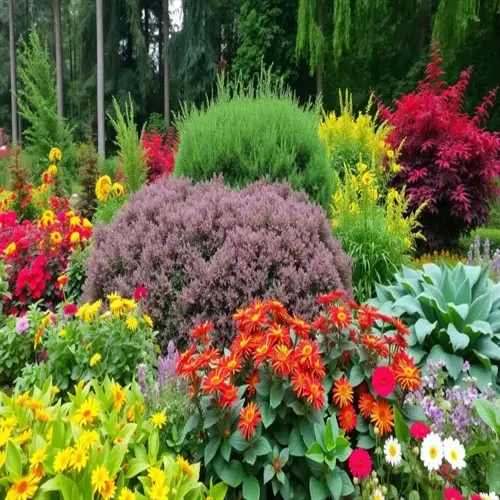
You get the best results when you mix evergreen and deciduous shrubs in the same bed. The evergreens give you winter backbone and structure when the deciduous plants drop their leaves. Then those deciduous shrubs steal the show in spring and summer with flowers that most evergreens can't match. This combo keeps your yard looking full and colorful through all four seasons.
Before you head to the nursery, look up your USDA hardiness zone online. It takes about ten seconds. Then compare your zone to the shrubs on this list and cross off anything outside your range. This one step saves you from buying a gorgeous plant that dies in its first winter.
Start with two or three shrubs from this list that match your zone. Watch how they perform through each season. Then add more options the next year once you know what your yard can support. You'll build a stronger garden this way than if you buy ten plants at once and hope for the best.
Each of these ten shrubs brings something different to your yard. Lilac fills the air with sweet spring scent. Spirea covers itself in tiny white or pink flowers that attract butterflies. Holly gives you bright red berries for winter color and bird food. Picking a mix gives you year-round interest and keeps your garden looking alive no matter the season.
Read the full article: Best Evergreen Shrubs for Your Garden