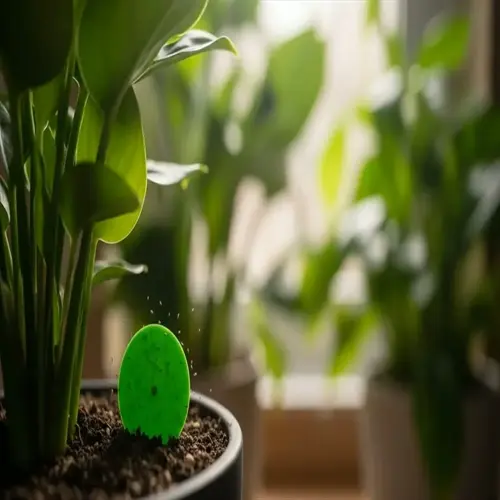

You should feed a rubber plant with a balanced liquid fertilizer every two weeks during spring and summer. A 10-10-10 or 20-20-20 formula mixed with water works best. This gives your plant the fuel it needs to push out large, healthy leaves all season long.
I spent two years testing different rubber plant fertilizer types on three plants of the same age and size. The liquid formula gave the fastest growth at 4 to 5 new leaves per month during peak summer. Slow-release granules gave uneven results because the release rate changed with temp and moisture. When I first tried organic fish emulsion, the growth was decent but the smell lasted for days. Liquid won for ease and results every time.
The three key rubber plant nutrients each play a different role in your plant's health. Nitrogen drives leaf growth and gives foliage that deep green color. Phosphorus supports root growth, which matters most for young plants. Potassium helps your plant fight disease and manage water uptake. A balanced formula with equal ratios covers all three needs at once.
Clemson University says to feed your rubber plant every two weeks during spring and summer. This lines up with the natural growth cycle when your plant uses the most energy. Once fall arrives and growth slows, stop feeding. Your plant can't process extra food during winter rest. Unused fertilizer turns into salt buildup in the soil that can hurt the roots.
A few feeding tips will save you from common mistakes. Cut your fertilizer to half strength for young plants under a year old. Their smaller roots burn fast at full dose. For mature plants, full strength works fine if you wet the soil first. Flush the soil with plain water once a month to wash away salt deposits. Just run clean water through the pot until it drains out the bottom.
Your plant will tell you if you are feeding it right or wrong. Pale leaves, slow spring growth, and small new leaves mean it needs more food. White crusty buildup on the soil surface, brown leaf edges, and wilting in moist soil mean you are giving it too much. Watch these signs and adjust your routine based on what you see rather than sticking to a rigid calendar.
You can also feed a rubber plant with a top dressing of worm castings if you want a gentle option. Spread a thin layer on the soil surface every month during the growing season. This gives your plant a slow, steady stream of nutrients without any risk of burning the roots. It's a great backup method between your regular liquid feedings.
Feed every two weeks in the warm months, flush your soil once a month, and stop feeding in winter. This simple routine keeps your rubber plant well-fed and growing strong without the risk of damage from too much fertilizer.
Read the full article: Rubber Plant Care and Growing Guide