
Knowing what not to plant next to daffodils saves you from wilted bouquets and weak garden beds. Stay away from plants with thin, surface-level roots that steal their space. Also keep daffodils apart from cut flowers you want to put in the same vase.
I learned the vase lesson a few springs ago. I cut a dozen daffodils and a dozen tulips from my yard. I put them all in the same bucket of water. By morning every tulip had drooped over while the daffodils looked fine. The stems had leaked a thick, slimy sap that coated the water. Those tulips never came back and I had to toss the whole bunch.
Iowa State Extension explains why this happens. Daffodil stems leak a slimy substance full of alkaloids when you cut them. This sap gets into your water and blocks the water channels in the stems of other flowers. Tulips, roses, and lilies are the most at risk from it. Once the damage starts, no amount of fresh water will fix your wilting bouquet.
Iowa State offers you a simple fix if you want mixed flower displays. Put your fresh-cut daffodils in a separate vase of clean water. Let them sit for a few hours until the sap stops oozing out. After that, move them into the shared vase with your other blooms. The key rule is to never recut the stems after this step. A fresh cut starts the sap flow all over again.
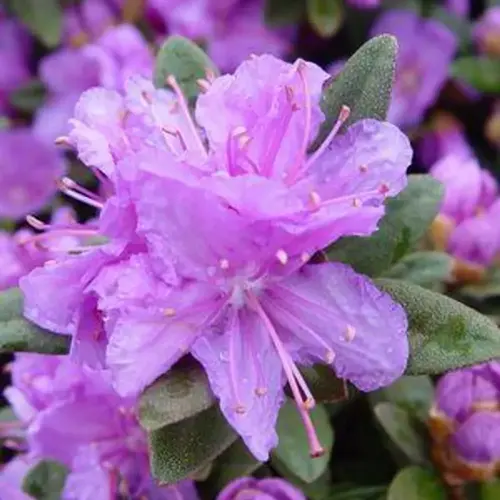
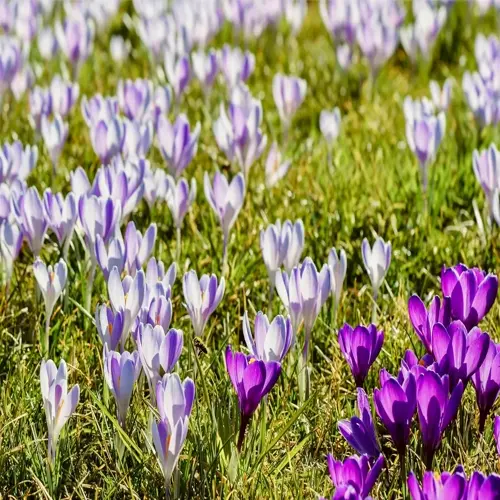
In your garden, the main plants to avoid near daffodils are dense groundcovers. Creeping phlox, ajuga, and vinca form thick mats. Those mats can block your daffodil shoots as they push up in early spring. Veggie crops like lettuce and carrots are also bad picks. All parts of the daffodil contain lycorine, a toxic compound you don't want near your food plants.
Smart daffodil companion planting pairs your bulbs with plants that wake up late in the season. Hostas, daylilies, and ferns are your three best options. They start growing just as your daffodil leaves begin to yellow in late spring. Their fresh foliage hides the messy look of dying daffodil leaves. You get a clean bed without cutting any foliage early.
In my experience, hostas make the best partners of the bunch. I planted them between my daffodil clumps three years ago. By mid-May the hosta leaves unfurl and cover the yellowing daffodil foliage like a green blanket. You'd never know there were dying leaves hiding under there. The timing works out so well it looks planned even though nature does most of the work for you.
Set up your garden beds with these pairings and you won't have to fight the urge to cut daffodil leaves early. Your companion plants do the hiding for you while your bulbs store up energy for another round of blooms next spring. That's a win for both your garden's looks and your bulbs' health.
Read the full article: Daffodil Bulbs: Planting and Care Guide