
The difference between a SuDS and a rain garden is scope. SuDS is the whole category. A rain garden is just one tool inside it. Think of SuDS as the toolbox and the rain garden as one wrench. SuDS stands for Sustainable Drainage Systems. It covers every method you can use to handle rainwater on your land. The goal is to keep water out of the sewer system.
When I first read UK planning documents for a stormwater course, this naming tripped me up. The guides kept using the term sustainable drainage systems on every page. I thought they meant rain gardens. They didn't. The term covered green roofs, porous driveways, and storage tanks too. North American guides list each feature by name. British and European planners group them under the SuDS label instead. Once I saw that sustainable drainage systems is the big picture and a rain garden is one small part, it all made sense.
The SuDS framework splits water control into a chain of features. Porous paving lets rain soak through your driveway. A green roof grabs rainfall before it hits the gutter. Swales guide overflow along gentle slopes. Detention ponds hold big volumes during major storms. Rain gardens capture and filter runoff at set spots on your lot. Each feature handles one part of the problem. Stacking several together gives you far more control than using just one.
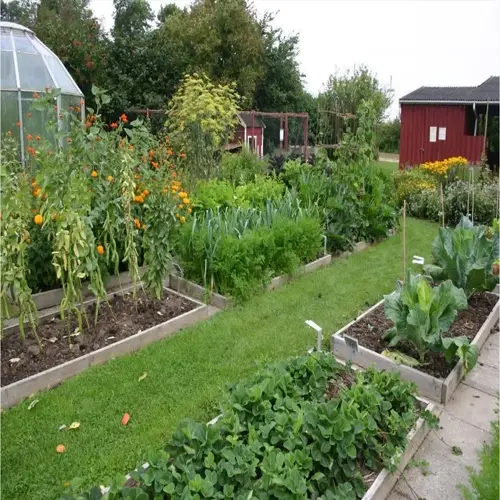
Your home can use several SuDS features at once. I tested this on my own property last year. A rain barrel captures the first flush from my downspout. Overflow from the barrel feeds into a rain garden full of native plants. My back patio uses porous pavers that let rain drain right through. Together these three handle far more runoff than any single one could. That layered approach is what SuDS thinking looks like in real life on a normal-sized lot.
A SuDS rain garden differs from a standalone garden in how you size it. When other features exist upstream, the garden can be smaller. If a rain barrel already grabs the first 50 gallons (190 liters) of roof runoff, the SuDS rain garden downstream needs less space. If porous paving handles your driveway, the garden only deals with lawn and roof flow. This connected thinking makes each feature cheaper and more effective. You save money on soil, plants, and digging when the rain garden doesn't have to do all the work by itself.
Start your own SuDS plan by mapping where water enters, crosses, and leaves your yard during a storm. Grab a notebook and walk your lot while rain falls. Mark the wet spots and the flow paths you see. Add a rain barrel to your busiest downspout first. It costs under $100 and takes one afternoon. Then build a rain garden to catch the overflow from the barrel. If you have a patio due for a redo, swap in porous pavers at the same time. Layer these features one project at a time. Each upgrade connects to the next and turns your whole yard into a SuDS rain garden system. You don't need to do it all at once. Spread the cost over a few seasons and you'll still end up with a yard that handles storms your neighbors struggle with. That's the real power of the SuDS approach.
Read the full article: Rain Garden Guide for Homeowners