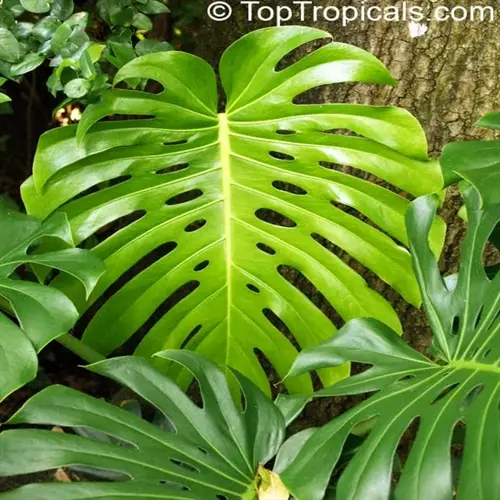

A billionaire plant is a rare houseplant that sells for hundreds or thousands of dollars per specimen. Collectors use this term for plants that sit at the very top of the market. Genetic rarity, stunning looks, and high demand all play a role in earning this label.
I watched this trend blow up during the pandemic. Millions of people picked up plant collecting as a new hobby. Online groups went from sharing care tips to running auction houses overnight. Rare plants became status symbols that cost more than used cars. The shift felt fast but the billionaire plant culture had been building for years among serious growers.
Why do certain plants earn this tag? It starts with genetic rarity. Plants with natural mutations can't be mass-produced the way standard ones can. Slow propagation makes it worse. When a plant takes months to produce one cutting, supply stays low forever. The visual factor seals the deal. These plants look unlike anything else on a shelf. They become talking points in any room you put them in.
That $38,000 Adansonii sale in New Zealand is the best known example among the most expensive rare houseplants. It proved that plants can be serious collectibles. Pink Princess and Florida Ghost Philodendron also pull four-figure prices at auction. These plants have sparked a whole economy of breeders and resellers.
The cultural shift behind luxury indoor plants is big. Plants went from a quiet hobby to a lifestyle statement. Social media drives this hard. A single viral post showing a perfect half-moon Monstera can trigger hundreds of buyer messages within hours. The plants became content. And the content drove even more demand from new collectors around the world.
I got into this market by buying a small Thai Constellation for $75 two years ago. It's now worth over $250 based on its size and leaf count. That growth came from good care, not luck. Learning to grow plants well is your real edge in this hobby.
You don't need a huge budget to start your collection. Thai Constellation has come down to the $50 to $100 range for small plants. Learn how to propagate so you can turn one plant into several over time. Join local swap groups where members trade cuttings for free. The most valuable skill isn't buying the right plant. It's growing plants well enough that they produce cuttings other people want to own.
Read the full article: Thai Constellation Monstera Guide