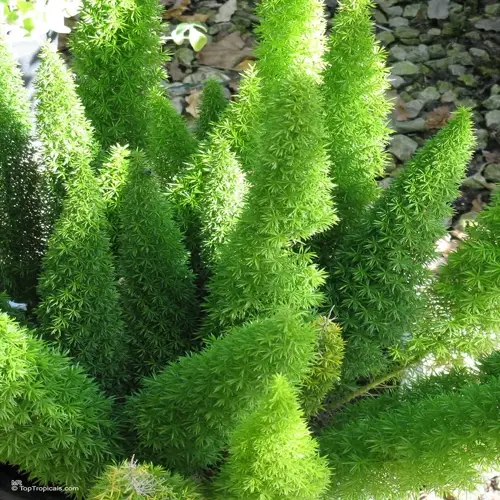

Your foxtail fern attract birds more than any other type of garden visitor. The bright red berries that ripen from late summer through fall draw dozens of bird species to your yard. If you grow a mature foxtail fern with berries, you'll spot more feathered visitors than you had before planting it.
In my experience, the bird activity picks up fast once the berries turn red. I watched mockingbirds and cardinals visit my biggest foxtail fern each morning last fall. They'd pluck berries one at a time and swallow them whole. Foxtail fern birds kept coming back until every last berry was gone. The downside showed up a few months later. I found seedlings popping up in garden beds fifteen feet away from the parent plant.
SANBI documents a wide range of foxtail fern wildlife that feeds on these berries in their native habitat. Weavers, white-eyes, thrushes, bulbuls, barbets, and robin-chats all eat the fruit. Your foxtail fern makes bright red berries right when many other food sources start to fade in late summer. That timing makes the fruit even more tempting to hungry birds looking for an easy meal in your yard.
The way foxtail fern berries birds spread works in a simple cycle. Birds eat the ripe berries your plant produces. The seeds pass through the bird's gut intact. The bird flies somewhere new and drops the seed with a bit of natural fertilizer. A new foxtail fern sprouts in that spot. This cycle repeats over and over unless you manage the berry output on your plants.
This bird-driven spread is also what makes foxtail ferns invasive in several US states. Florida, Texas, and Hawaii all list these plants as invasive. Birds carry seeds into wild areas where foxtail ferns push out native plants. The dense roots and fast growth let them take over bare soil before local species get a chance. Your beautiful bird garden can feed a problem in nearby natural areas if you don't control the berries.
Encourage Bird Visits
- Let berries ripen: Allow your berries to turn bright red before birds arrive since green berries don't draw any wildlife.
- Add water nearby: A bird bath within ten feet of your foxtail fern doubles the draw for visiting bird species.
- Multiple plants help: A group of three or more foxtail ferns makes enough berries to keep birds coming back all season.
Control Unwanted Spread
- Remove berries early: Clip your berry clusters while they're still green to stop birds from eating and spreading seeds.
- Check nearby beds: Scout your garden beds within a twenty-foot range for seedlings every few months and pull them young.
- Invasive zones: If you live in Florida, Texas, or Hawaii, remove berries as standard practice to protect your local habitat.
Other Wildlife Visitors
- Small mammals: Squirrels and chipmunks sometimes nibble fallen berries but don't seek them out the way birds do.
- Bees and pollinators: Your plant's small white flowers draw some pollinators before berries form, adding more garden life.
- Lizards and frogs: Dense foxtail fern clumps give small reptiles and frogs a cool, shaded hiding spot in your yard.
Your approach to berry control depends on where you live and what you want your foxtail fern attract to your yard. If you enjoy watching birds, let your berries ripen and accept some seedling cleanup as part of the deal. If you live in an invasive-risk state, clip berry clusters before they turn red. Either way, your foxtail fern brings more life into your garden than most other plants can match. Just plan your berry management around whether you want to feed the birds or keep the spread under control in your area.
Read the full article: Foxtail Fern Guide: Care and Cultivars