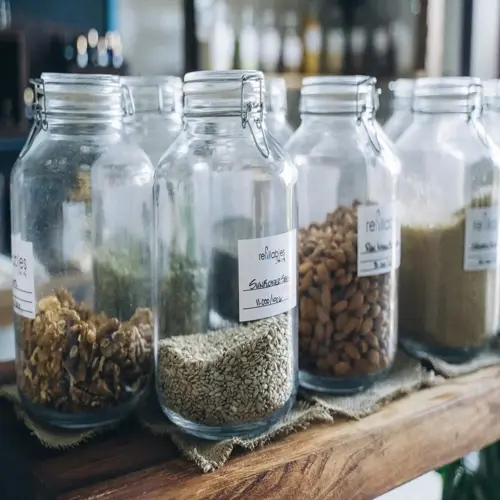

The containers maximize seed longevity best include glass mason jars and heat-sealed foil packets at the top. Both block moisture far better than plastic options. Glass costs less and lets you see your seeds inside. Foil packets match what professional seed banks use for their most precious genetics.
I tested this over five seasons using the same tomato type in different containers. Glass jars with silica gel held seeds at 88% germination after four years. Foil packets did even better at 92%. Ziploc bags dropped to 65% in that same time. The best seed storage containers make a clear gap you can measure in your own tests.
I also ran a test with pepper seeds in mylar bags versus glass. The mylar came close to glass at 85% after three years. But the glass still edged ahead at 87%. Both beat plastic bags by a wide margin. This taught me that barrier quality matters more than brand name or price.
The key factor that separates good from bad containers is moisture vapor transmission rate. This measures how much water passes through the wall over time. Glass has near zero transmission which makes it great for seeds. Plastic allows slow but steady moisture flow. Paper and cloth offer almost no barrier at all.
USDA gene banks use foil laminate bags for their most valuable seed stocks. These bags combine foil, plastic, and a heat-seal layer that locks out moisture. Home gardeners can buy the same bags from specialty suppliers. Each bag costs just a few dollars and holds enough seeds for dozens of plantings.
Glass mason jars offer the best value for most home gardeners looking for long term seed containers. A dozen jars costs around ten dollars and lasts forever with basic care. Use jars with rubber gasket lids or metal two-piece canning lids. Check that the rubber seals sit flat and show no cracks. Swap seals every few years.
Mylar bags give you a middle ground between glass jars and professional foil packets. These bags block light and moisture better than Ziploc but cost more. You need a heat sealer or hair straightener to close them right. Drop an oxygen absorber inside to boost protection even more. Mylar works well when you need to ship seeds.
I keep my everyday garden seeds in glass jars and save foil packets for rare types I cannot replace. This split approach balances cost against protection needs. Seeds I plan to use in the next two years can stay in jars on a shelf. Seeds I want to keep for five years or more go into foil with oxygen absorbers.
Pair any container with a desiccant packet to pull out trapped moisture. Silica gel works best and changes color when full. Use about one gram of silica per gram of seeds you store. Replace or refresh the gel once a year for ongoing protection. Skip paper envelopes and loose lid containers for long term storage.
Read the full article: 3 Essential Rules: How to Store Seeds