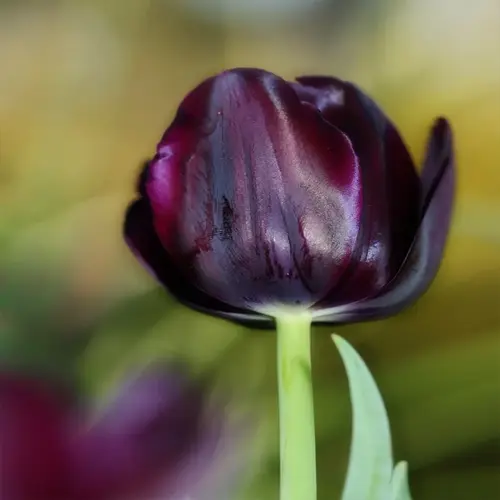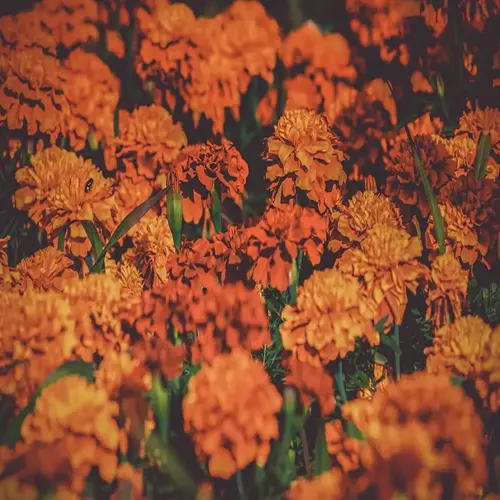

Rose, hibiscus, geranium, salvia, poppy and zinnia are the popular red flowers you meet almost everywhere. Each one lands on six of the seven top-ranking pages reviewed for this guide. Red tulip and red chrysanthemum follow on five pages each, and red dahlia sits at four or five. Those eight names cover most of what you mean when you ask a garden center for something red.
The narrow south-facing bed along my driveway bakes all afternoon, and by August the red zinnias in there feel warm through a glove. Petals go stiff and papery. Bees keep working them anyway. Zinnias made six of those seven lists, and nobody walking past that bed has ever asked me what they are.
Popularity here counts page overlap, not garden results. These eight are the species the seven published lists share, so the ranking shows you what writers name and what shoppers search for. Whether a plant suits your soil is a separate question. The most common red flowers also split across four plant types, and that changes how you buy. Zinnia and poppy are annuals you start fresh each year. Geranium and salvia grow as perennials in mild zones. Tulip comes from a bulb, dahlia from a tuber, and rose and hibiscus are both woody shrubs you plant once.
Scarlet sage is the one plant here with solid numbers behind the claims. UF/IFAS Extension rates the plant hardy in zones 7 to 11, at 2 to 4 feet (0.6 to 1.2 m) tall, with flowers from spring through fall. You get a long run of color out of one plant. The blooms are tubular, the shape that matches the bird-pollination pattern, so the hummingbirds you see around them are no accident.
Treat the rest of the growing specs as general guidance. Most heights, zones and bloom windows on red flower roundups trace back to commercial blogs, not to extension work. Species counts run from six at the short end to fifty-nine at the long end, and the depth on each entry drops as that count climbs. You can't plan a bed from a photo and one line of text.
Buy by what you want the plant to do, not by where it sits on a list. Any of these popular red flowers will fill a bed, so your goal decides the pick. For color that reads red from June until frost, zinnias and salvia carry the job, and neither one sulks in full sun. For stems you cut and bring inside, start with dahlias and roses. If you want red in April, that means tulips, planted the previous fall, and you get no shortcut around that timing. Hibiscus and geranium earn their spot in pots you can shift into shade.
Search any of these red flower names and you will find a dozen care pages, so check two or three before you trust a number. My own advice is to plant two of these, not eight. A bed with six zinnias and three salvia reads redder from the sidewalk than one plant of everything, and you spend less filling it.
Read the full article: 10 Red Flowers and What Makes Them Red