
The biggest disadvantages of azaleas come down to strict soil needs, pet toxicity, and pest problems. They're gorgeous shrubs when things go right. But they ask for more specific care than most other plants you'll put in your yard.
The soil pH issue tops my list of azalea drawbacks because it never goes away. Your azaleas need a pH between 4.5 and 6.0 at all times. That range is tighter than it sounds. I watched my own plants develop iron chlorosis after three years of tap water that ran a bit alkaline. The leaves turned yellow between the veins while the veins stayed green. I had to add sulfur twice a year just to keep the pH from drifting back up. That's a cost and time commitment other shrubs don't ask for.
Pet owners need to take the toxicity issue very serious. ASPCA confirms that all parts of the azalea contain grayanotoxins. Dogs, cats, and horses that eat leaves or flowers can get sick fast. Symptoms range from drooling and vomiting to dangerous drops in blood pressure. In severe cases, the toxins can cause heart failure. If your dog chews on garden plants, you should pick a safer shrub for that spot.
The problems with azaleas don't stop at soil and toxicity. These shrubs face pests and diseases that seem to find them no matter where you plant.
Azalea Lace Bug
- Damage pattern: Feeds on leaf undersides and leaves white stippling on top with dark fecal spots underneath that look like tiny tar drops.
- Reproduction rate: Produces 4 generations per year per UGA Extension, so numbers explode fast if you miss the first wave in spring.
- Your control window: Hit the first generation in March with insecticidal soap or horticultural oil before the population gets out of hand.
Phytophthora Root Rot
- Severity level: One of the most damaging azalea diseases with no chemical treatment that works in your garden or landscape.
- Warning signs: Your plants wilt even when the soil is moist, leaves turn dull green or brown, and roots look dark and mushy.
- Prevention is key: Good drainage is your only real defense since once infection starts the plant will decline no matter what you try.
Drought and Heat Stress
- Root depth issue: Azalea roots spread wide but stay in the top few inches of soil, so they're the first to suffer in dry weather.
- Heat damage risk: Hot afternoon sun bakes near-surface roots through thin soil cover, causing leaf scorch and branch death in open spots.
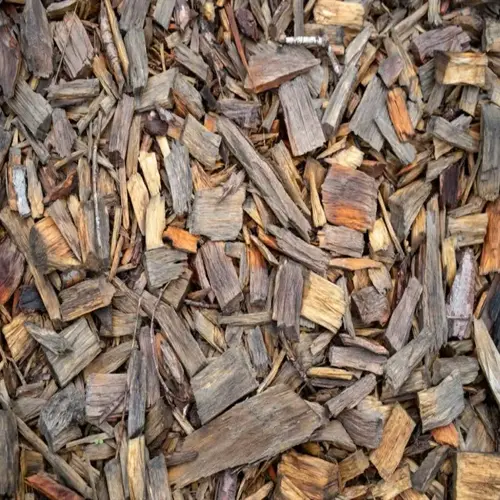
- Mulch is a must: You need a constant 2 to 3 inch mulch layer to keep your roots cool and moist, adding another task to your list.
I tested a few pest control methods over the years and found that timing matters more than the product you use. Catching lace bugs in their first spring cycle with a simple soap spray saved me from dealing with three more waves later in the season. When I waited too long, even stronger products had trouble keeping up with the numbers.
All that said, most of these issues are fixable if you plan ahead. Test your soil before you buy a single plant. Pick a spot with good drainage and filtered shade. Choose varieties bred to resist disease in your climate. If you have pets, fence off the bed or go with a different shrub. The drawbacks are real, but they don't have to be dealbreakers when you make smart choices up front.
Read the full article: Azalea Bush Care and Growing Guide