
The benefits of ornamental grasses go far beyond good looks. These plants give you drought tolerance, low upkeep, wildlife support, erosion control, and four-season interest all at once. Very few garden plants deliver this many perks while asking for so little care from you.
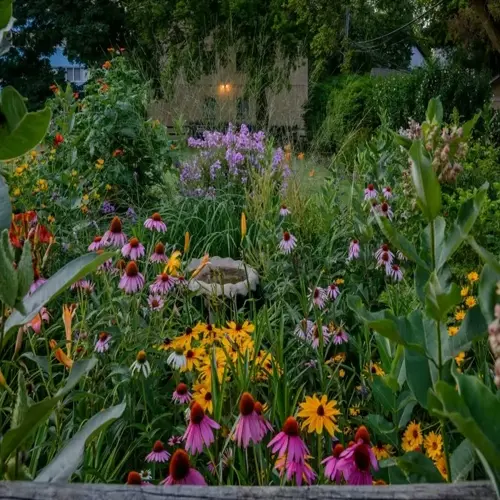
I saw the gap in my own backyard. One side has a perennial bed that I water twice a week, spray for aphids, and replant every few years. The other side has ornamental grasses that I water only in extreme heat and never spray at all. When I first set up the grass bed, I tracked my time for a full year. The grass side took about 3 hours of total work for the whole season. The perennial side ate up more than 20 hours. And the grasses looked great twelve months out of the year while the perennials had about four good months.
The ornamental grass advantages stack up fast on the practical side too. These plants need minimal care. They handle sun, shade, and most soil types. You won't mow them, spray them, or feed them on a set plan. University data from Missouri backs this up. The Maryland Extension team also backs native grasses for habitat work. They help rebuild local ecosystems right in your own yard.
I tested this myself last year by tracking every minute I spent on my grass bed versus my perennial bed. The grasses needed one spring cutback and a few summer waterings during a heat wave. Total time: about 3 hours for the whole year. My perennials needed weeding, watering, deadheading, dividing, and pest control that ate up more than 20 hours. The math speaks for itself.
The roots tell the real story on the environmental side. Grass root systems reach 6 to 10 feet (1.8 to 3 meters) deep into the ground. That network holds soil in place during heavy rain, making grasses some of the best erosion fighters you can plant on a slope. Native types support bees, butterflies, and beneficial bugs by giving them shelter and food. You also cut your carbon footprint since grasses don't need mowing, regular feeding, or chemical treatments.
Water Savings
- Deep roots: They pull water from soil layers that other plants can't reach, so grasses survive dry spells with ease.
- Low demand: After year one, most grasses live on rainfall alone in all but the driest parts of the country.
- Your water bill: Swapping thirsty plants for grasses can cut your garden watering by 50% or more each season.
Wildlife Habitat
- Bird cover: Dense clumps give songbirds safe nesting sites and shelter from hawks and cats all season long.
- Winter food: Seed heads feed birds through cold months when other food runs low in your yard and nearby areas.
- Bug support: Native grasses host helpful insects and create windbreaks that protect your pollinator gardens.
Year-Round Beauty
- Spring: Fresh green shoots push through old stubble and signal the start of a new growing season in your yard.
- Summer: Dense foliage and growing seed heads fill your beds with texture and movement for months on end.
- Fall and winter: Color shifts, plume shows, and frosted seed heads give you 8 extra months of good looks.
A few things are worth knowing before you plant. Some grass species spread fast and can become a problem if you pick the wrong type. Always choose clumping varieties or check your local weed list. You'll need to do a yearly cutback on warm-season types each late winter. And grasses take a full season to build their root systems, so year one won't look as full as years two and three.
So why grow ornamental grasses instead of other plants? Because nothing else gives you this blend of beauty, toughness, and eco value with so little ongoing work. Start with two or three clumps of a native species. Give them one season to root in. You'll wonder why you didn't plant them years ago.
Read the full article: 10 Best Ornamental Grasses for Your Garden