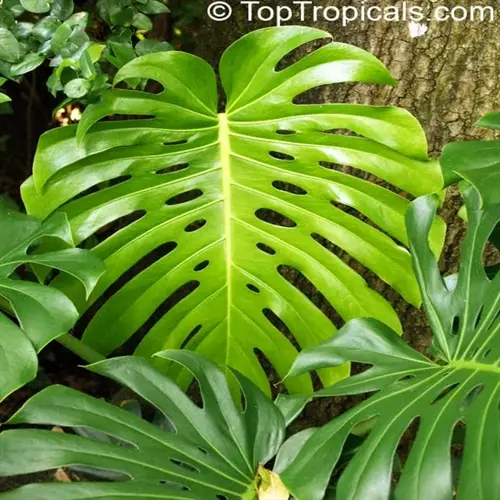

The common problems Monstera Thai Constellation owners run into are brown spots, root rot, pests, and yellow leaves. These four issues cause most of the trouble. The good news is you can fix all of them once you know what to look for.
I dealt with thrips on my Thai Constellation last summer. It was a rough few weeks. I spotted tiny silver streaks on several leaves first. Then I found the insects hiding along the stems. I had to move the plant away from my whole collection. I wiped down every leaf with neem oil every five days for three weeks. After the bugs were gone, I kept it apart for two more weeks to be safe. That taught me to check my plants way more often.
Variegated Monstera issues are worse than the same problems on green plants. White tissue lacks chlorophyll, which acts as a natural shield in green cells. Without it, white areas burn faster in sun. They show fertilizer damage sooner. And they take cold damage at temps that wouldn't bother green leaves. Thai Constellation troubleshooting starts with knowing your plant is more fragile than its all-green cousins.
Brown Spots on Leaves
- Sunburn signs: Crispy brown patches on white sections that show up after too much direct light, often within 24 to 48 hours of sun exposure.
- Fertilizer burn: Brown tips and edges that spread inward from salt buildup in the soil from using full-strength plant food.
- Quick fix: Move your plant away from direct light and flush the soil with clean water to wash out extra salts.
Root Rot Warning Signs
- Early clues: Yellow lower leaves and a soft, mushy stem base mean roots are sitting in too much water and starting to decay.
- Smell test: A sour or swampy odor from the soil is a clear signal that rot has set in and you need to act fast.
- Quick fix: Pull the plant out, cut away all brown or soft roots with clean scissors, and repot in fresh dry soil.
Pest Attacks
- Common bugs: Aphids, mealybugs, thrips, scale, and spider mites all target Monstera plants based on Missouri Botanical Garden data.
- How to spot them: Check leaf bottoms and stem joints each week for tiny white dots, sticky film, or fine webbing.
- Quick fix: Isolate the plant, wipe leaves with diluted neem oil every 5 to 7 days, and treat for at least 3 weeks straight.
Penn State Extension warns that all Monstera contain calcium oxalate crystals. These cause skin rashes and are toxic if eaten. Wear gloves when you handle your plant during treatment or repotting. Keep it away from pets and small kids at all times.
Stopping problems before they start saves you a lot of stress. Check your leaves once a week for early pest signs. Use a moisture meter before each watering to avoid root rot. Keep your Thai Constellation out of direct afternoon sun. Flush the soil with plain water once a month to clear salt buildup. And keep every new plant you buy apart from your collection for two weeks before placing it near your other plants. These five habits will save you from most headaches.
Read the full article: Thai Constellation Monstera Guide