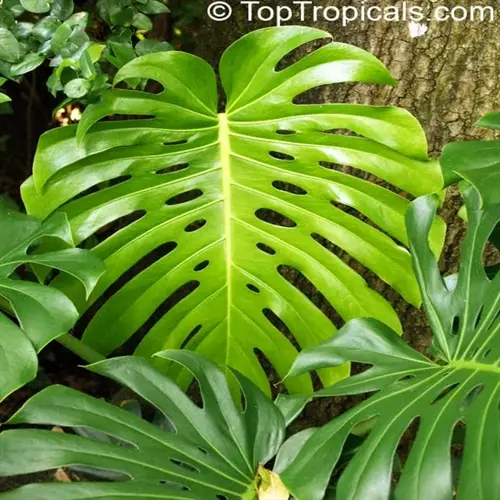

Is Thai Constellation easy to grow? Yes, if you have basic plant care skills. This plant isn't hard to keep alive. But it does need more attention than a standard green Monstera. Think of it as one step up from beginner level.
I grow a Thai Constellation next to a regular Monstera in the same room. The care gap between them is real. My green Monstera handles neglect like a champ. Skip watering for two weeks? No problem. The Thai Constellation is pickier. It dropped a leaf after I missed one watering during a busy week. It also showed brown tips within days when I placed it too close to a south window. Growth speed is different too. My green Monstera pushes a new leaf every two to three weeks in summer. The Thai Constellation manages one every four to six weeks.
The variegation creates the extra care demands. Those cream and white leaf sections lack chloroplasts. That means the plant makes less food from light than an all-green version. It can't bounce back as fast from your mistakes. White tissue is also more prone to sunburn and fertilizer burn. You need to be more careful with light and feeding.
Penn State Extension sets the baseline at 60-85°F (15.5-29.4°C) with humidity above 50%. Most homes can hit these numbers. The bigger danger is root rot from too much water. Love That Leaf calls this the number one killer of Thai Constellation plants. The chunky soil mix these plants need dries out at its own pace. People tend to water on a set schedule instead of checking the soil first. That's how rot starts.
The Thai Constellation difficulty level is about a 6 out of 10. It won't punish every small error. But it won't handle neglect either. If you've kept a pothos alive for a year, you can grow this plant. It's the top beginner variegated Monstera because its pattern stays stable. You won't lose variegation like you can with Albo.
Start with a well-rooted plant that has at least three leaves and a strong root system. Cuttings cost less but they carry more risk. They can rot before roots even form. Invest $10 to $15 in a moisture meter so you never guess about watering. Mix your own soil with equal parts potting mix, perlite, and orchid bark. This blend gives you the fast drainage your Thai Constellation demands.
These three steps remove most of the guesswork that trips up new owners. Your plant will tell you what it needs through its leaves. Brown edges mean too much light or dry air. Yellow leaves mean too much water. Watch, respond, and adjust. That's all it takes to keep your Thai Constellation happy and growing strong in your home.
Read the full article: Thai Constellation Monstera Guide