
Yes, perennial ryegrass good grass status is earned in cool climates. It sprouts in just 5-7 days and gives you a mowable lawn within three weeks. No other cool-season grass gets you from bare dirt to green turf that fast. It also handles heavy foot traffic better than any grass in its class.
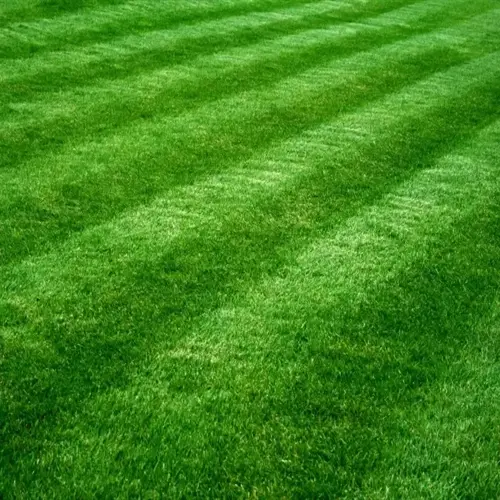
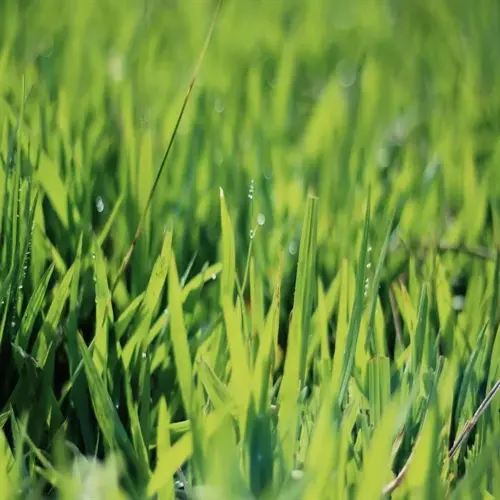
The ryegrass lawn quality from modern turf-type seeds is top notch. You get dense upright blades with a rich dark green color. The texture is fine enough to rival Kentucky bluegrass for curb appeal. New cultivars look better than older types and hold up much better against wear and tear from daily use.
I fixed a bare spot on my northern lawn two falls ago with ryegrass seed. Green shoots showed up by day five. By week three I was mowing that patch right along with the rest of the yard. A bluegrass repair I did at the same time took almost two months to fill in. That speed gap made me a fan for life. Now I keep ryegrass seed on hand for every repair job.
UC ANR gives perennial ryegrass the highest wear tolerance rating among all cool-season grasses. Oregon State confirms it sprouts in just 5-7 days with the right soil temps. It also makes the least thatch of any cool-season species. Less thatch means less cleanup work for you each year. Your lawn stays cleaner and disease has fewer spots to take hold.
I also tested a small section of my backyard with just bluegrass for comparison. After a full summer of my kids running on both areas, the ryegrass side held up with zero bare spots. The bluegrass section showed wear marks in the main path within two months. That told me everything I needed to know about which grass handles your daily foot traffic better.
Top sports venues trust this grass for good reason. Wimbledon Centre Court has grown 100% perennial ryegrass since 2001. NFL and Premier League fields use it for fast bounce-back between games. You'll find it on home lawns across the Pacific Northwest too. Dairy farmers plant it in pastures because cows digest it well and it regrows fast after grazing.
The full list of perennial ryegrass benefits adds up fast. Quick germination, tough wear rating, low thatch, and a clean look make it a great lawn grass for cool sunny yards. Pair it with Kentucky bluegrass at a 40/60 ratio for the best results. The bluegrass fills in gaps with its spreading roots while the ryegrass takes the daily beating.
Skip this grass if your yard has lots of shade or your summers push past 85°F (29°C) for weeks. For sunny cool-climate lawns that handle heavy use from your family, ryegrass is one of the best options you can plant. Match it to your conditions and it will reward you with a tough, good-looking lawn for years to come.
Read the full article: Perennial Ryegrass Guide for Lawns