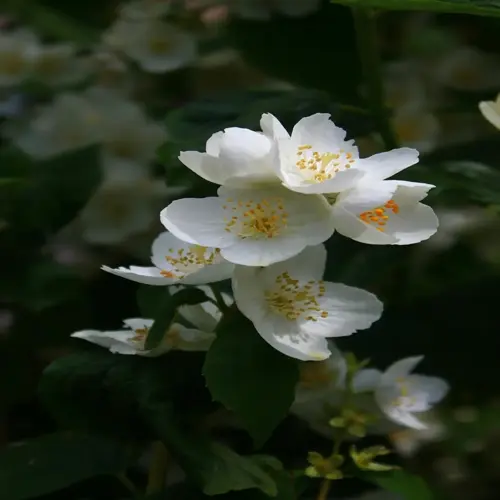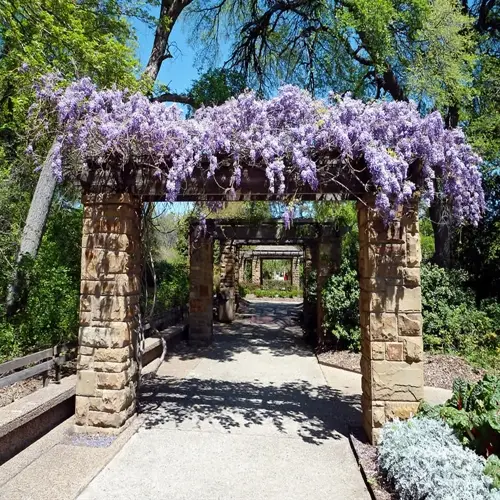

Is jasmine easy to grow? Yes, most types are great for new gardeners who can give them sun and decent soil. Pick the right species for your zone and you will see strong growth and fragrant blooms in your first season.
When I first grew jasmine, I made two classic mistakes right away. I gave it too much water until the leaves went yellow and droopy. Then I put it in a shady corner with maybe three hours of sun per day. The plant sulked for a full season. Once I moved it to a sunny wall and cut back on water, it pushed out new growth within six weeks and bloomed at last.
The jasmine plant care basics come down to four things. Give your plant 6 or more hours of direct sun each day. Use well-drained loamy soil with a pH from 6.0 to 7.0. Water once a week and let the top inch of soil dry between sessions. Prune right after the flowers fade to shape the plant and push next year's buds.
For jasmine beginner gardening, your species pick makes the biggest gap. Common jasmine and winter jasmine are the two most forgiving types. Both bounce back from light frost and small care mistakes. Arabian jasmine asks for more heat and humidity so save that one until you have some time under your belt.
Choose Your Species
- Best starter pick: Common jasmine works in USDA zones 7-10 and handles minor care mistakes without dying on you.
- Cold climate pick: Winter jasmine survives down to zone 6 and blooms in late winter when you need garden color the most.
- Zone check: Look up your USDA hardiness zone online and match it to a species that fits before you spend any money.
Prepare and Plant
- Soil prep: Mix 2 to 3 inches (5 to 7 cm) of compost into your hole to give the roots a rich and fast-draining start.
- Planting depth: Set the root ball level with the ground around it and press the earth down gently around the base.
- Timing: Plant in spring after your last frost date so your jasmine gets a full warm season to settle in before cold hits.
First-Year Care Routine
- Watering plan: Water deep once per week in the first season and bump it to twice a week during heat above 32°C (90°F).
- Feeding plan: Apply a balanced liquid feed once a month from April through August to fuel strong root and stem growth.
- Pruning rule: Wait until flowers fade, then trim back up to one-third of the growth to keep it tidy and push new buds.
In my experience, the three most common errors new growers make are too much water, too little sun, and bad pruning timing. Soggy soil causes root rot faster than anything else you can do wrong. Shade makes your jasmine grow long and thin with few flowers. Pruning before bloom time cuts off the buds you waited all year to see.
Your jasmine will tell you what it needs through its leaves. Yellow leaves mean too much water. Sparse flowers mean not enough sun. Brown leaf edges mean the soil got too dry. Pay attention to these signs and you will have a healthy plant within your first year of growing it.
Jasmine is one of the most fun plants for a first-time grower because it grows fast and smells great. You get quick feedback from the plant. You don't need fancy tools or a green thumb. Just sun, good soil, weekly water, and a yearly trim after the blooms fade. That's your whole care routine right there.
Read the full article: Jasmine Flower Types, Care and Uses