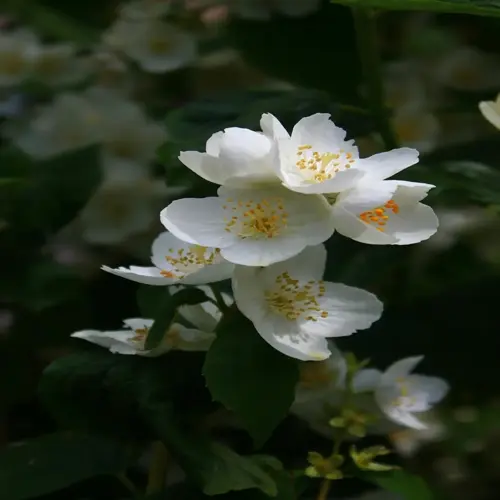

Is jasmine toxic to pets? No, true jasmine is safe for both cats and dogs. The ASPCA lists Jasminum plants as non-toxic to your furry friends. But fake jasmines with similar names can hurt or even kill pets fast.
When I first brought a common jasmine home, I checked if it was jasmine safe for cats before my two cats could get near it. I read the label, looked up the species, and called my vet to be sure. My cats have brushed against that plant and nibbled a leaf tip over the years. Neither one has had a bad reaction of any kind.
The real danger comes from plants that use the word "jasmine" in their name but belong to other families. Carolina jasmine is the worst one. It holds toxic compounds that attack the brain and heart. Even a small bite can kill a cat, dog, or farm animal. Every part of this plant is deadly from the blooms down to the roots.
Night-blooming jasmine is another fake that causes trouble. It belongs to the nightshade family. If your pet eats it, expect vomiting, runs, and seizures within hours. Star jasmine can upset your dog's stomach in large amounts but won't cause serious harm in most cases.
Safe True Jasmine Species
- Common jasmine: Listed as non-toxic by the ASPCA, making it jasmine safe for dogs and cats in your home or garden space.
- Winter jasmine: No toxic effects on pets have been reported and its low growth keeps it within easy reach of your animals.
- Arabian jasmine: Safe for your household pets and also used to make tea, which shows its low risk to all mammals.
Risky False Jasmines
- Carolina jasmine: Holds deadly toxins that affect your pet's heart and brain even in very small amounts eaten by accident.
- Night-blooming jasmine: Part of the nightshade family and causes vomiting, diarrhea, and seizures if your pet eats any piece.
- Yellow jasmine: Same plant as Carolina jasmine sold under a new name, just as toxic and sometimes mislabeled at stores.
Quick ID Tips for You
- Check the tag: Look for the word Jasminum on the label to make sure you have a true jasmine species in your hands.
- Leaf shape: True jasmine has small oval leaflets in groups, while Carolina jasmine has simple pointed leaves that look different.
- Flower count: True Jasminum flowers have 4 to 9 petals in a star shape, unlike the trumpet blooms of fake jasmine types.
In my experience, the five minutes you spend checking a plant label can save your pet's life. I now check every new plant that enters my home against the ASPCA database before I set it down. You should do the same. It takes no time at all and gives you total peace of mind.
If your pet eats a plant you can't confirm as safe, call your vet right away. You can also reach the ASPCA Poison Control at (888) 426-4435. Bring a photo of the plant with you to the vet visit. Don't wait for symptoms to show up since some toxins work within minutes.
The bottom line for you as a pet owner is simple. True Jasminum species won't harm your cats or dogs. Always check the tag for the word Jasminum before you buy. Keep all fake jasmine types far from your pets. Your animals and your jasmine plants can share the same space with zero problems when you pick the right species.
Read the full article: Jasmine Flower Types, Care and Uses