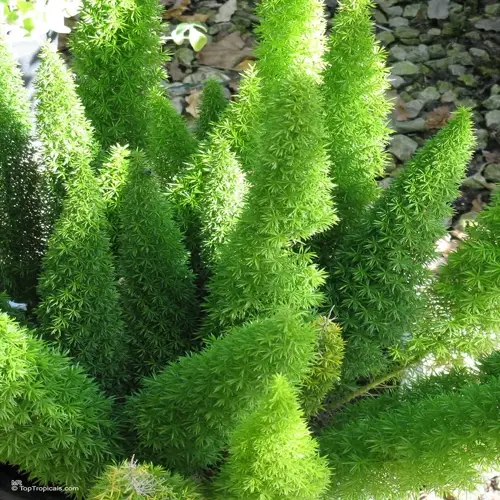

A foxtail fern indoor plant can thrive inside your home with the right light and humidity. These plants do well in containers and don't demand constant attention. They make a solid choice for indoor growers who want something green and lush without a fussy care routine.
I moved one of my outdoor foxtail ferns inside a few years ago when a late frost hit my garden. What started as a quick rescue became a long-term setup. The plant dropped a few stems during the first two weeks as it got used to less light. Once I found the right window spot, new growth came back strong within a month. Keeping a foxtail fern indoors means finding that sweet spot where light is bright but not harsh.
The biggest challenge with growing foxtail fern inside is humidity. Most heated homes drop to 20-30% humidity during winter months. Foxtail ferns prefer 40-50% to keep their cladodes green and full. You'll notice the tips turning brown and crispy if the air gets too dry. A pebble tray filled with water under the pot raises humidity right around the plant without making your whole room feel damp. Misting the fronds two or three times per week also helps bridge that gap.
As a foxtail fern houseplant, this species holds up better than most popular indoor ferns. Boston ferns shed leaves like crazy in dry air. Maidenhair ferns throw a fit if you skip one watering. Foxtail ferns store water in their tuberous roots, so they forgive you if you forget to water for a few days. That built-in safety net makes them much more forgiving than their fern cousins.
Light and Window Placement
- Best windows: East-facing windows provide gentle morning light that keeps fronds dense without scorching the tips.
- South window caution: South-facing windows can burn foliage unless you hang a sheer curtain to filter the strong afternoon rays.
- Rotation tip: Turn the pot a quarter turn each week so all sides of the plant get equal light and grow evenly.
Feeding and Fertilizer
- Formula: Use a balanced 10-10-10 fertilizer diluted to half strength for steady indoor growth without burning roots.
- Schedule: Feed once per month during spring and summer when the plant pushes new stems and plumes most actively.
- Winter rest: Stop feeding from November through February since the plant slows down and doesn't need extra nutrients.
Humidity and Moisture
- Target range: Keep humidity between 40-50% around the plant using a pebble tray, humidifier, or regular misting.
- Brown tip fix: Crispy brown tips almost always mean low humidity rather than underwatering in indoor foxtail ferns.
- Grouping trick: Place your foxtail fern near other houseplants since grouped plants raise local humidity through transpiration.
The key to growing foxtail fern inside long-term is matching what the plant gets outdoors as close as you can. Give your plant bright indirect light for four to six hours each day, moderate humidity, and water when the top two inches of soil feel dry. These three basics cover about 90% of what your indoor foxtail fern needs to stay green and full year after year.
I made the mistake of placing my first indoor foxtail fern right next to a heating vent during winter. The dry air turned every plume tip brown within two weeks. Once I moved it across the room and set up a pebble tray beneath the pot, the new growth came in green and stayed that way. Your vent placement matters just as much as your window placement when you grow these plants inside.
Don't let the indoor care details scare you off. Foxtail ferns rank among the easiest fern-type plants you can grow inside your home. They handle lower light better than most tropicals and bounce back fast from short periods of neglect. If you want a lush, textured plant that fills a bright corner without demanding daily attention, a foxtail fern fits that role well.
Read the full article: Foxtail Fern Guide: Care and Cultivars