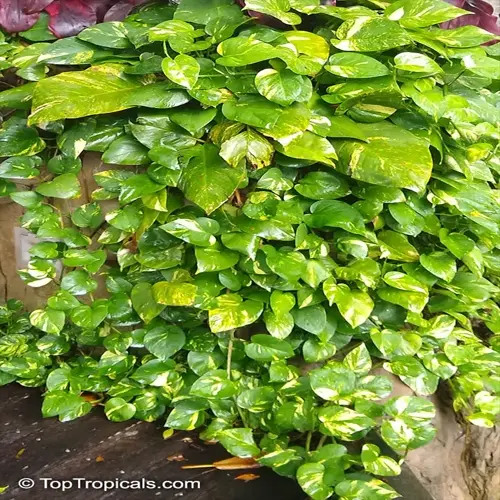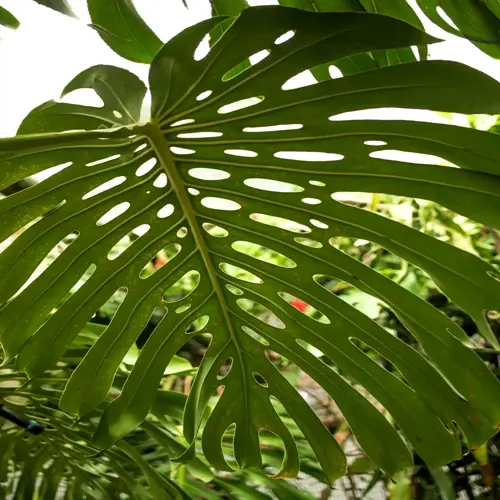

The Swiss cheese plant indoor plant is one of the best choices you can make for your home. It handles lower light, average humidity, and room temps with ease. Few tropical plants adapt this well to life inside a house.
I've kept a Monstera about 5 to 6 feet (1.5 to 1.8 meters) from an east-facing window for over three years now. It gets no special treatment beyond regular watering and a leaf wipe-down each month. The thing has tripled in size and puts out new leaves almost every month in spring and summer. That kind of monstera indoor growing success with so little effort is hard to beat.
My friend bought one for her office cubicle near a north-facing window and it grew just as well. She waters it once a week and nothing else. The monstera indoor growing track record holds up in spots with less than ideal light. This is a forgiving plant that doesn't punish you for small mistakes.
The reason it works so well indoors comes down to where it grew in the wild. This species lives beneath the forest canopy in tropical jungles. Tall trees block most of the direct sun, so the plant adapted to lower light levels. Your living room gives it something close to those shaded forest floor conditions.
The data backs this up too. Your Monstera deliciosa indoors can grow past 10 feet (3 meters) with a support pole. Your plant does fine at normal room temps. It handles humidity above 50% without extra help from you. Most homes fall right in that sweet spot, so you won't need a humidifier to keep your Monstera happy.
When you stack it up against other best indoor houseplants, Monstera stands out for how much abuse it takes. Fiddle leaf figs drop leaves at the first sign of stress. Bird of paradise needs bright light to thrive. But a Monstera bounces back from missed waterings and low light days without much drama. It won't look perfect in a dark corner, but it won't die on you either.
Room placement makes a real difference in how your plant grows. East-facing windows give soft morning light that won't burn the leaves. North-facing windows work too, though growth slows down a bit. Bathrooms offer bonus humidity from showers that the plant loves. Living rooms give you space for a moss pole so the plant can climb up and grow bigger leaves.
Keep your plant away from heating vents and cold drafts near doors. These dry out the leaves fast and stress the roots. You want stable air that doesn't swing from hot to cold throughout the day.
One more thing that sold me on this plant for indoor use. I left town for 12 days last summer and forgot to ask anyone to water my Monstera. When I got back, it looked a little droopy but bounced right back after one good drink. Try that with a fiddle leaf fig and you'll come home to a bare stick. Your Monstera forgives you for slipping up.
You can also boost your plant's growth by giving it a moss pole to climb. I added one in year two and the leaves grew noticeably bigger after the roots gripped the pole. This simple upgrade costs under $15 and turns your Monstera into a real showpiece.
If you want a plant that looks tropical, fills a room, and doesn't need constant attention, the Swiss cheese plant checks every box. It earned its spot among the best indoor houseplants for a reason. You get dramatic leaves, easy care, and a plant that grows with you for years.
Read the full article: Swiss Cheese Plant Care Guide