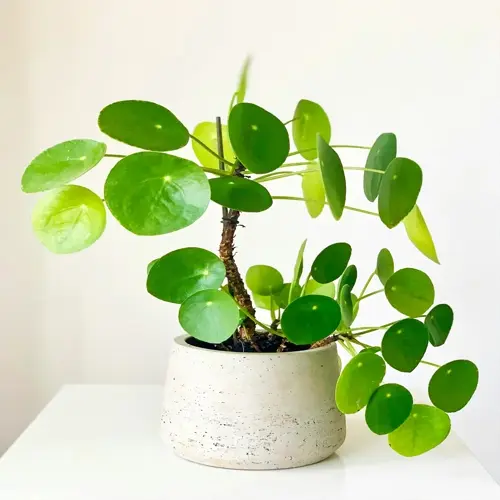

You make a pilea happy by nailing four care factors in this order: light, watering, soil, and then feeding. Get the first two right and you've solved 80% of your pilea problems before they even start.
I tested this on my own collection over two full years. The biggest change came from switching my plastic nursery pots to terracotta with drainage holes. The porous clay pulls moisture away from the roots much faster. I went from losing a plant to root rot every few months to zero losses in over a year. I also changed how often I watered by season. Going to every two weeks in winter stopped the yellow leaves that showed up every December.
Each care factor ties to a specific part of your plant's health. Bright indirect light drives your plant's ability to make food through its leaves. Good drainage and the right soil mix stop root rot by letting oxygen reach the roots between waterings. Turning your pot a quarter spin each week keeps the growth even on all sides. These pilea care tips work as a system, not as separate rules you can ignore.
The NYBG says to keep your pilea between 65°F and 80°F (18°C to 27°C) with a hard floor of 55°F (13°C). Going below that risks cold damage to your leaves. One detail most people miss is that the NYBG warns you to never use leaf polishes or oils on pilea. Those products clog the tiny pores on the leaf surface and block gas exchange your plant needs.
If you want healthy pilea growth, work through these steps in order. Start by placing your plant near an east-facing window. Then set up a watering routine where you let the top two-thirds of your soil dry between sessions. Next, add perlite or pumice to your potting mix so it drains fast. Once those three are locked in, add a half-strength fertilizer every two weeks during spring and summer.
Humidity matters less than most guides claim. But if your home drops below 40% in winter, try a pebble tray under the pot. Set it on top of wet pebbles so the water creates a humid zone around your leaves as it dries. Skip the misting bottle since wet leaves invite fungal problems that hurt more than dry air does.
A happy pilea shows you it's doing well through dark green leaves, firm stems, and regular pup production. If your plant checks all those boxes, your care routine works. If not, go back through the priority list and fix one factor at a time. Most problems clear up within two to three weeks once you address the root cause. That fast feedback is what makes pilea so rewarding to grow.
Read the full article: Pilea Plant Care and Growing Guide