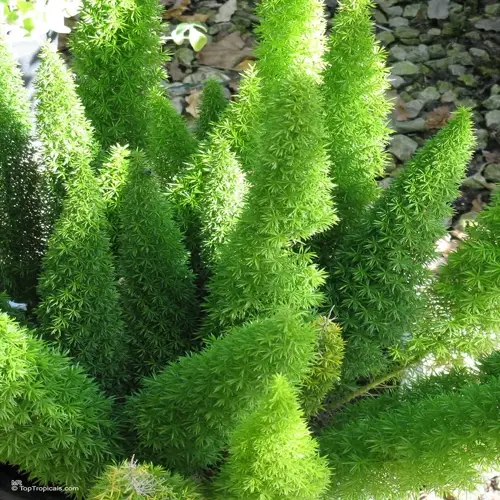

The foxtail fern lifespan goes well beyond what most people expect from a garden plant. Your foxtail fern can live for 20 years or more with the right care. So how long foxtail fern live compared to other plants in your yard? Much longer than most perennials, and they keep getting better with age.
In my experience with these plants, the root systems grow denser and more tangled with each passing year. I divided one of my eight-year-old plants last spring and the root ball was so thick I needed a serrated knife to cut through it. That mass of tuberous roots is why older plants handle stress better than young ones. With foxtail fern age comes more stored energy and water below the soil, which makes your plant tougher and harder to kill.
The secret behind foxtail fern longevity is the tuberous root system that works like an energy bank. Your plant stores water and nutrients in these thick roots during good times. It pulls from those reserves when drought, frost, or hard pruning hits. When frost kills your foliage, the roots push out new stems. When you cut the whole plant to the ground, those same roots rebuild it from scratch. This ability to bounce back is what gives your foxtail fern such a long life.
SANBI records show that the Sprengeri group first entered gardens back in 1888. Plants from that original stock have been divided and shared for over a century now. Your individual stems only last a year or two before they age out. But the root crown keeps making new growth on its own. This means your single foxtail fern can renew itself over and over for decades as long as you keep those roots in good shape.
Drainage and Root Health
- Top threat: Root rot from soggy soil kills more foxtail ferns than any other problem and can destroy your plant within weeks.
- Prevention: Use pots with drainage holes and soil that drains fast so water never pools around your tuberous roots.
- Check method: Lift your pot after watering. If it still feels heavy three days later, your soil mix holds too much moisture.
Repotting Schedule
- Frequency: Repot your plant every 2 to 3 years to give expanding roots fresh soil and more room to grow.
- Warning sign: Roots pushing through drainage holes or cracking your pot means you've waited too long to repot.
- Best timing: Early spring right before the growing season gives your roots time to settle into the new container.
Winter Dormancy Care
- Water less: Cut your watering back to every two to three weeks during winter to match your plant's slower pace.
- No fertilizer: Stop feeding during dormancy since extra nutrients can damage your resting roots over time.
- Frost protection: Mulch your outdoor plants or bring containers inside to keep roots from freezing through.
The plants that live the longest share three traits you should follow. They grow in soil that drains well. They get repotted before roots run out of space. And they don't sit in wet soil during winter. Root rot from overwatering in the cold months is the top killer of foxtail ferns that could have lived for many more years.
Think of your foxtail fern as a long-term garden investment rather than a short-lived seasonal plant. Give it good drainage, room to grow, and sensible watering habits. In return, it will produce thick green plumes for decades and look more impressive with each passing year. Few plants offer you that kind of payoff for such a small amount of regular effort on your part.
Read the full article: Foxtail Fern Guide: Care and Cultivars