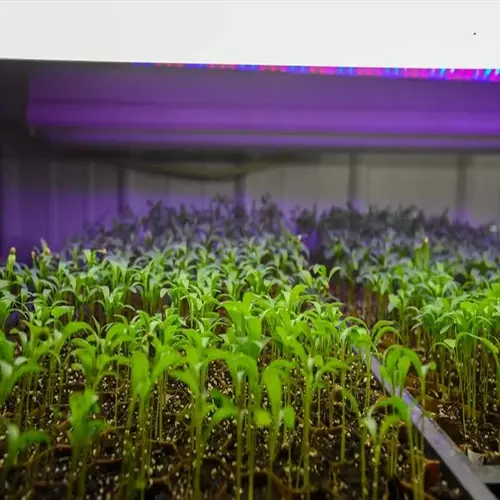

The right seedling size for transplanting is 2-4 inches (5-10 cm) tall with 2-4 true leaves for most vegetables. Plants at this stage have roots ready to handle the move. They also stay small enough to adapt fast to their new garden home.
I spent two seasons testing how big to transplant seedlings at different growth stages. Tomatoes moved at 2 true leaves took weeks to catch up. Those with 6 true leaves wilted badly and lost lower foliage. The sweet spot turned out to be 3-4 true leaves for the fastest results with the least visible stress.
Size matters because of something called the root-to-shoot ratio. Big leafy tops with small roots can't pull enough water from soil. This mismatch causes wilting, leaf drop, and slow recovery. Your harvest can fall behind by weeks when plants struggle to balance their tops and roots after the move.
Different vegetables reach proper seedling transplant size at their own pace. Lettuce does best at 3-4 true leaves and about 2 inches (5 cm) tall. Tomatoes need more time to grow, reaching 4-6 true leaves and 4-6 inches (10-15 cm) tall for best results. Peppers also need 4-6 true leaves before they handle moving to the garden well.
My neighbor learned this the hard way last spring with her pepper plants. She moved them outside at just 2 inches tall with only 2 leaves. Half of them died within a week from the stress. The ones I gave her with 4 true leaves all made it through and produced peppers by August.
Counting leaves tells you more than measuring height ever will. A seedling can stretch tall under low light while having weak roots. That same plant grown under strong light might stay short but develop thick stems. Focus on the leaf count first and root health second.
Check your roots by tipping the container and sliding out the root ball. You want to see white roots that hold the soil together. They should not circle the bottom of the container yet. Roots poking out of drainage holes signal that your plants need moving soon.
The ideal seedling height changes so much between plant types that chasing a number in inches will mislead you. A bush bean at 3 inches might have perfect roots. A tomato at the same height could still need weeks more time. Trust the true leaf count and root check over height.
Your seedlings give clear signals when ready for the garden. Watch for that second or third set of true leaves and sturdy stems that don't flop over. Check for roots visible at the drainage holes. Hit all three markers and your plants will handle the move to the garden bed with ease.
Read the full article: When to Transplant Seedlings: Ultimate Guide