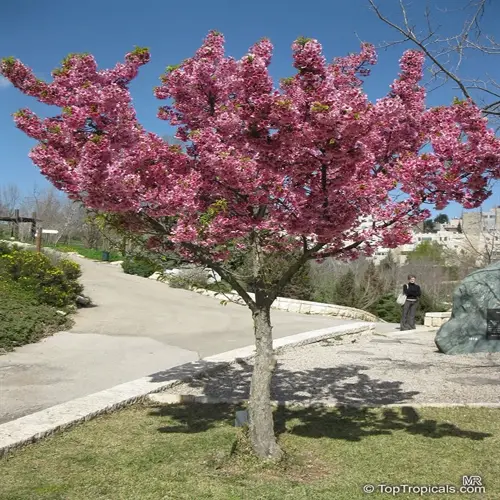

Yes, azaleas come back every year without fail when you plant them in the right spot with proper soil conditions. These are long-lived perennial shrubs that get bigger and produce more blooms with each passing season.
If you're wondering are azaleas perennials, the answer is a firm yes. They belong to the Rhododendron genus. These are woody shrubs with permanent root systems that survive winter and push new growth each spring. Your azalea won't die back to the ground like your hostas or daylilies do. Instead, its branches stay intact year after year. The plant adds new wood on top of old growth and gets bigger with each season you care for it.
When I first started caring about azaleas, a neighbor showed me a hedge planted in the early 1980s that still blooms hard every spring. Those plants get zero fertilizer and just a light trim after flowering. The owner chose the right spot from the start with acidic soil and filtered shade. That's over 40 years of reliable spring color with almost no work. It showed me what's possible when you set things up right from day one.
What your azalea looks like between seasons depends on which type you grow. UGA Extension notes that over 800 species exist in two main groups. Deciduous azaleas drop all their leaves in fall and stand bare through winter. If you're new to gardening, you might think your plant died. It's just resting. Evergreen types keep their foliage all year and only shed a few older inner leaves.
The azalea life cycle follows a steady rhythm once your plant gets going. You'll see a flush of flowers in spring followed by fresh leaf growth through summer. Your flower buds for next year form in mid to late summer. That's why you should never prune after July. Fall brings a slowdown as the plant hardens off for winter. Then the whole cycle starts fresh when warm weather returns.
Well-maintained azaleas can live 40 to 50 years or even longer with minimal care. The keys to getting decades of reliable returns come down to a few basics you set up at planting time.
Soil pH and Drainage
- Target pH: Keep soil between 4.5 and 6.0 so roots can absorb iron and other nutrients they need to thrive each year.
- Drainage test: Dig a hole 12 inches deep, fill it with water, and check that it drains within an hour to prevent root rot.
- Amendment timing: Adjust soil pH before planting rather than after, since established roots are harder to work around.
Proper Planting Depth
- Root ball position: Set the top of the root ball level with or slightly above the surrounding soil to prevent crown rot.
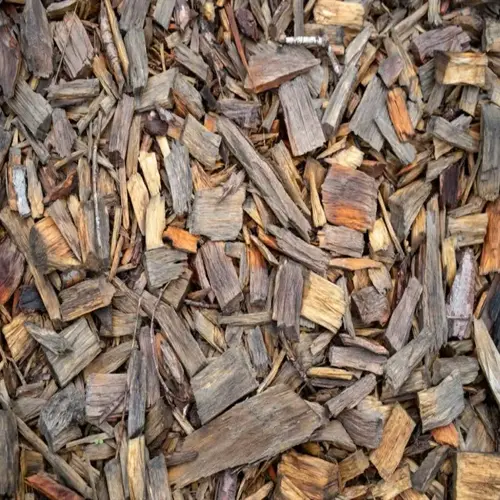
- Mulch layer: Apply 2 to 3 inches of pine bark mulch to insulate the fine roots near the surface and hold soil moisture through dry spells.
- Trunk clearance: Keep mulch pulled back a few inches from the trunk so bark stays dry and disease-free.
Right Variety for Your Zone
- Cold hardiness: Choose varieties rated for your USDA zone so they survive winter without extra protection every year.
- Heat tolerance: Southern gardeners should pick heat-adapted types that handle long humid summers without leaf scorch.
- Size at maturity: Match the mature size to your planting space so you don't need heavy pruning that stresses the plant.
Get these basics right at the start and your azaleas will come back stronger each spring for decades. You don't need to baby them once they're established. Just give them the foundation they need and let them do what they do best.
Read the full article: Azalea Bush Care and Growing Guide