
Introduction
Dahlia bulbs offer you one of the most varied flowering plants you can grow at home. With 57,000 registered cultivars across 42 species, your choices are almost endless. Blooms range from tiny 1 inch pom poms to massive 14 inch dinner plates in almost every color except true blue.
Most people call them dahlia bulbs, but they're actually dahlia tubers. A true bulb has layers like an onion. A tuber is a chunk of swollen stem tissue that stores food and sprouts from small buds called eyes. Planting dahlias from tubers takes a different approach than dropping a tulip bulb into a hole.
Here's what I tell every new grower who feels nervous about starting: if you can grow tomatoes, you can grow dahlias. Both plants love warm soil, full sun, and regular feeding throughout the season. I've been growing dahlias for over 8 years and the basics haven't changed one bit since my first season.
This guide walks you through everything from tuber selection and planting to seasonal care and winter storage. You'll learn which varieties work best for your goals. You'll also find out how to keep your plants healthy all season long.
8 Best Dahlia Bulb Varieties
You can choose from 57,000 dahlia cultivars on record today. That makes picking the right dahlia varieties feel tricky at first. I've tested dozens of types of dahlias over 8 years and picked these 8 favorites for you. They cover every goal from tiny pom poms to giant dinnerplate dahlias.
Some of these work great as cut flowers while others attract bees and butterflies with their open centers. I picked the best dahlias for beginners and more advanced growers alike. Check the care level for each one so you can match your pick to your experience.

Decorative Dahlia
- Bloom Shape: Fully double flowers with broad, flat petals that curve slightly inward, creating a lush rounded appearance that works well in garden borders and mixed beds
- Size Range: Medium to large blooms measuring 4 to 10 inches (10 to 25 centimeters) across, with dinner plate forms reaching up to 14 inches (35.5 centimeters)
- Best For: Versatile enough for garden display, cut flower arrangements, and exhibition shows due to their consistent petal formation and wide color range
- Growing Notes: Strong stems on most cultivars reduce staking needs compared to other large-flowered types, making them a solid choice for beginner growers
- Popular Cultivars: Cafe au Lait produces creamy blush blooms popular with florists, while Arabian Night offers deep burgundy flowers that add contrast to any arrangement
- Care Level: Moderate maintenance with standard pinching and deadheading requirements, and most cultivars produce reliable tuber clumps for division each fall season

Cactus Dahlia
- Bloom Shape: Narrow, pointed petals that roll backward along their length, creating a spiky star-like appearance that adds dramatic texture to garden plantings
- Size Range: Blooms measure 4 to 10 inches (10 to 25 centimeters) across, with semi-cactus forms showing partially rolled petals for a softer version of the look
- Best For: Cut flower arrangements where their unique texture creates visual interest, and garden focal points where their unusual form draws attention from visitors
- Growing Notes: Stems may need extra support due to the weight of large blooms, and plants benefit from disbudding to produce fewer but more impressive individual flowers
- Popular Cultivars: Karma Choc produces deep chocolate-red blooms with excellent vase life, and Park Princess delivers bright pink flowers on compact plants suited for borders
- Care Level: Slightly higher maintenance than Decorative types due to staking requirements, but strong growers that multiply well in most garden conditions

Ball Dahlia
- Bloom Shape: Round flowers with tightly rolled petals that form a globe shape, making them one of the most recognizable and uniform dahlia classifications available
- Size Range: Compact blooms measuring 2 to 4 inches (5 to 10 centimeters) in diameter, with a consistent spherical form that holds shape well after cutting for arrangements
- Best For: Cut flower production due to their excellent vase life and uniform appearance, and exhibition growing where their precise symmetry earns high marks from judges
- Growing Notes: Compact growth habit requires less staking than larger types, and plants produce multiple blooms per stem creating abundant flower production all season
- Popular Cultivars: Jomanda produces rich orange-bronze spheres prized by florists, while Cornel Bronze delivers warm copper tones on strong cutting stems throughout the season
- Care Level: Lower maintenance than dinner plate types with reliable tuber production and strong disease resistance making them an excellent starting point for new growers

Pompon Dahlia
- Bloom Shape: Miniature ball-shaped flowers with tightly involuted petals forming perfect spheres under 2 inches (5 centimeters), the smallest fully double dahlia classification recognized
- Size Range: Petite blooms measuring 1 to 2 inches (2.5 to 5 centimeters) across, growing in abundant clusters that produce dozens of flowers per plant throughout the season
- Best For: Container growing due to compact plant size, wedding bouquets and small arrangements where delicate scale is desired, and garden edging or border plantings
- Growing Notes: Bushy growth habit often eliminates the need for staking, and prolific blooming means less deadheading effort compared to larger varieties in the garden
- Popular Cultivars: Franz Kafka produces deep purple perfect spheres ideal for boutonnieres, and Small World delivers pure white miniature globes that complement any garden color scheme
- Care Level: Among the easiest dahlia types to grow with compact habits suited for beginners, reliable tuber multiplication, and minimal staking requirements throughout the season

Dinnerplate Dahlia
- Bloom Shape: Massive fully double flowers that create a dramatic statement in any garden, with broad overlapping petals forming wide flat-topped blooms reaching impressive diameters
- Size Range: The largest dahlia classification with blooms measuring 8 to 14 inches (20 to 35.5 centimeters) across, requiring strong stems and support to hold their substantial weight
- Best For: Garden focal points and exhibition growing where their sheer size creates immediate visual impact, and dramatic single-stem arrangements for centerpieces and displays
- Growing Notes: Require sturdy staking installed at planting time and aggressive disbudding to channel energy into fewer but larger blooms on each stem throughout the flowering season
- Popular Cultivars: Cafe au Lait remains the most sought-after with creamy blush petals, while Kelvin Floodlight produces bright yellow plates that can measure over 12 inches (30 centimeters)
- Care Level: Higher maintenance requiring strong stakes, regular disbudding, extra fertilizer, and careful watering, but the dramatic results reward gardeners willing to invest the effort

Waterlily Dahlia
- Bloom Shape: Broad flat petals arranged in flat layers resembling water lily flowers floating on a pond, creating an elegant and refined appearance unlike any other dahlia type
- Size Range: Medium-sized blooms measuring 4 to 8 inches (10 to 20 centimeters) across with a distinctive flat profile that distinguishes them from rounder dahlia forms
- Best For: Elegant garden borders and formal plantings where their refined shape adds sophistication, and floating bowl arrangements that highlight their flat flower profile
- Growing Notes: Moderate plant height with strong stems that still benefit from light staking in windy locations, and consistent bloom production from midsummer through first frost
- Popular Cultivars: Camano Sitka produces soft lavender-pink blooms with exceptional form, while Lauren Michele delivers warm peach tones that harmonize with late summer garden palettes
- Care Level: Moderate maintenance similar to Decorative types with good tuber production for division, and their medium size makes them manageable for gardeners at any experience level

Stellar Dahlia
- Bloom Shape: Narrow pointed petals that curve and twist outward from the center, creating an asymmetrical star-burst pattern with a casual cottage garden charm unlike formal dahlia types
- Size Range: Small to medium blooms measuring 2 to 6 inches (5 to 15 centimeters) across with a relaxed open form that provides visual texture different from the tight geometry of Ball types
- Best For: Informal cottage-style gardens and mixed borders where their relaxed petal arrangement blends well with other perennials, and casual cut flower arrangements for the home
- Growing Notes: Vigorous growers that produce abundant blooms on well-branched plants, responding well to early pinching that encourages multiple flowering stems per plant
- Popular Cultivars: Verrone's Obsidian produces deep near-black red flowers with dramatic impact, and Honka Surprise offers bicolor petals with star-shaped form for unique arrangements
- Care Level: Easy to grow with forgiving habits that tolerate slightly less attention than exhibition types, making them well suited for busy gardeners wanting reliable summer color

Collarette Dahlia
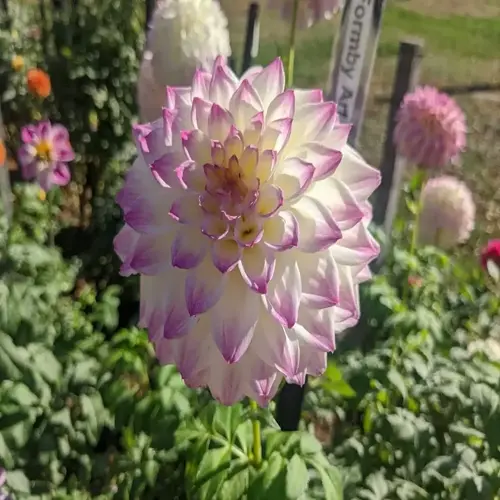
- Bloom Shape: Single row of outer petals surrounding a ring of shorter inner petals called the collar, with an open center that reveals pollen-rich disc florets accessible to visiting pollinators
- Size Range: Medium blooms measuring 3 to 6 inches (7.5 to 15 centimeters) across with the distinctive two-toned collar creating a visual contrast between inner and outer petal layers
- Best For: Pollinator gardens where their open centers provide accessible pollen and nectar for bees and butterflies, unlike fully double types that block pollinator access to flower resources
- Growing Notes: Oregon State Extension confirms that open-center dahlias attract the most pollinators, with bees preferring white and yellow blooms while butterflies favor red and purple flowers
- Popular Cultivars: Night Butterfly features deep maroon outer petals with a white collar for striking contrast, and Pooh produces bright orange petals around a golden collar center ring
- Care Level: Low to moderate maintenance with compact growth habits and natural branching that reduces staking needs, making them both pollinator-friendly and beginner-friendly garden choices
How to Plant Dahlia Bulbs
Knowing when to plant dahlia bulbs makes all the difference between a great season and a rotten tuber. You need your soil to reach 60°F (15.5°C) before you put anything in the ground. For most areas, that means mid April through May after your last frost date passes.
Your dahlia soil requirements matter more than most growers think. Test your soil pH before planting dahlias and aim for a reading between 6.5 and 7.0 per Oregon State Extension data. Work in 2 to 3 inches of compost to improve drainage and feed the soil at the same time.
Here's how to plant dahlia tubers the right way. Lay each tuber flat on its side with the eye pointing up toward the sky. The eye is the small bud where new growth will sprout. Set your dahlia planting depth at 4 to 6 inches (10 to 15 centimeters) deep. Space each tuber 18 to 24 inches (45 to 60 centimeters) apart.
The biggest mistake I see new growers make is watering too much right after planting. Your tuber doesn't have roots yet, so all that water just sits around it and causes rot. Give the soil a light drink at planting and then hold off on heavy watering until you see green shoots pop up above the surface.
Pick a spot that gets 6 to 8 hours of direct sun each day for the best blooms. If you're growing in containers, choose pots at least 12 to 18 inches wide and deep. Planting dahlias in pots works well for smaller varieties like Pompons and Ball types.
Dahlia Care and Feeding
Good dahlia care starts with watering dahlias the right way from day one. I treat my dahlias a lot like my tomatoes for feeding and water. Both plants are heavy feeders that want consistent moisture and strong nutrition all season long.
Your dahlia fertilizer choice matters more than how often you feed. Use a low nitrogen formula like 5-10-10 or 10-20-20 to push flower production instead of leaf growth. Too much nitrogen gives you a huge bush with very few blooms, which I learned the hard way my second year of growing.
Pinching dahlias is one of the best things you can do for more flowers. When your plant reaches about 12 to 16 inches tall with 3 to 4 pairs of leaves, pinch out the top shoot. This forces the plant to branch out and produce more stems and more blooms instead of growing tall on a single stalk.
Don't skip staking dahlias at planting time either. Push your stakes into the ground before the tuber sends out roots. If you wait until the plant gets tall, you risk stabbing right through the tuber clump below the soil. Deadheading dahlias every few days keeps new flowers coming all the way until frost.
Watering Schedule
- Spring Start: Water lightly at planting and avoid soaking the tuber until green shoots emerge above soil level, as excess moisture causes tuber rot before roots develop
- Summer Growth: Provide 1 to 1.5 inches (2.5 to 4 centimeters) of water per week through deep soaking rather than frequent light watering to encourage strong root systems
- Hot Weather: Increase watering during temperatures above 90°F (32°C) and apply 2 to 3 inches (5 to 7.5 centimeters) of organic mulch to conserve soil moisture
- Drip Irrigation: Colorado State Extension notes dahlias are not drought-tolerant, so drip irrigation or soaker hoses deliver consistent moisture while keeping foliage dry to prevent disease
Fertilizing Program
- Formula Choice: Use low nitrogen fertilizer such as 5-10-10 or 10-20-20 to promote flower production over excessive foliage growth throughout the blooming season
- Application Timing: Begin fertilizing 30 days after planting and continue every 3 to 4 weeks through August, following Oregon State Extension guidelines for optimal bloom quality
- September Cutoff: Stop all fertilizer applications in September to allow tubers to harden before the fall digging season, improving their winter storage survival rate
- Heavy Feeder Note: Penn State Extension confirms dahlias are heavy feeders requiring consistent nutrition, but excess nitrogen produces lush leaves at the expense of flower production
Pinching and Staking
- When to Pinch: Remove the terminal shoot when plants reach 12 to 16 inches (30 to 40 centimeters) tall with 3 to 4 pairs of leaves to encourage side branching and more blooms
- Staking Timing: Install stakes at planting time to avoid damaging developing tuber roots later, using bamboo poles, metal supports, or the corral method for rows of plants
- Disbudding Option: For larger individual blooms, remove the two side buds that develop alongside each central flower bud, directing all energy into one impressive bloom per stem
- Lower Leaf Removal: Iowa State Extension recommends pruning lower leaves to improve air circulation around the base of plants, helping prevent powdery mildew on foliage
Deadheading for More Blooms
- Why Deadhead: Removing spent flowers redirects the plant's energy from seed production back into forming new flower buds, extending the blooming season by several weeks
- How to Identify: Fresh dahlia blooms feel firm and look full, while spent blooms feel soft and cone shaped as petals begin dropping and the center seed head develops
- Cutting Technique: Cut spent stems back to the nearest side branch or leaf junction rather than just removing the flower head, promoting stronger regrowth from the remaining stem
- Frequency: Check plants every 2 to 3 days during peak blooming season from midsummer through fall to remove faded flowers before they send energy to seed development
Storing Tubers Over Winter
Storing dahlia tubers the right way saves you from buying new ones every spring. Good storage lets you grow your collection for years. I lost an entire box of tubers my first winter because I skipped the curing step. That one mistake taught me to follow every step in the process from frost to storage.
Overwintering dahlias starts with good timing after your first killing frost. Cut the stems down to about 6 inches (15 centimeters) and cover the cut ends with aluminum foil. Dahlia stems are hollow, and rain water pooling inside them causes crown rot before you even dig. Wait 4 to 8 days after that frost before you start digging.
Once you dig your clumps, cure them at 60°F to 70°F (15.5°C to 21°C) in a spot with good air flow for several days. This toughens the skin and helps tubers survive months of dahlia winter storage. Write each variety name on the tuber with a felt tip pen while you still know what's what. Labels on bags fall off every single time.
For dividing dahlia tubers, look for the eyes on each piece before you cut. Every section needs at least one eye to grow next spring. Dahlia tuber division is best done in fall right after curing or in spring just before planting. Store your cured tubers at 34°F to 40°F (1°C to 4°C) packed in damp vermiculite or wood shavings. Check them once a month and toss anything that feels soft or shows mold.
Timing the Harvest
- Wait for Frost: Leave tubers in the ground until the first killing frost blackens the foliage, as tubers continue developing and storing energy after the top growth dies back
- Post Frost Delay: Penn State Extension recommends waiting 4 to 8 days after the killing frost before digging, allowing dormant eyes on tubers to become more visible for spring identification
- Stem Preparation: Cut dahlia stems to about 6 inches (15 centimeters) above ground level and cover the cut stems with aluminum foil to prevent rain water from entering the stems and causing crown rot
Digging and Cleaning
- Dig with Care: Use a garden fork inserted 12 inches (30 centimeters) away from the stem to loosen soil around the tuber clump, then lift to avoid breaking individual tubers off the clump
- Remove Soil: Shake or rinse off excess soil but avoid scrubbing or using high pressure water, which can damage the thin skin protecting tubers from rot during winter storage months
- Inspect for Damage: Check each tuber for soft spots, mold, or signs of rot and trim away damaged sections with clean pruning shears, allowing cut surfaces to dry before storage
Curing Before Storage
- Curing Process: UNH Extension recommends curing freshly dug tubers at 60°F to 70°F (15.5°C to 21°C) in a well ventilated area for several days to toughen the skin
- Air Circulation: Place tubers in a single layer on newspaper or cardboard in a garage or covered porch where air can circulate around each tuber during the curing period
- Label Each Variety: Write variety names on each tuber with a felt tip pen while you can still identify them, as labels on bags or containers often fall off during winter storage
Storage Conditions
- Temperature Range: Store cured tubers at 34°F to 40°F (1°C to 4°C) per Oregon State Extension, in a dark location such as an unheated garage, basement, or root cellar
- Storage Medium: Pack tubers in damp vermiculite, wood shavings, or sand to prevent drying out while avoiding excess moisture that promotes rot during long winter storage periods
- Monthly Checks: Inspect stored tubers once a month throughout winter, removing any that show signs of mold or soft rot and adjusting moisture levels in the storage medium as needed
Pests and Disease Solutions
Dahlia pests and dahlia diseases can wreck a season fast if you don't catch them early. I check my plants every morning during the growing season and that habit has saved me from losing entire beds more than once. The good news is that most common dahlia problems have simple fixes when you spot them right away.
For organic pest control dahlias respond well to simple methods. Slugs are your biggest enemy when plants are young, and iron phosphate bait works great without harming pets or wildlife. Japanese beetles need hand picking in the morning when they move slow, and rolled newspaper traps catch earwigs overnight. Dahlia pest control doesn't need harsh chemicals in most cases.
Powdery mildew dahlias get that white coating on their leaves when air flow is poor. Prune the lower leaves to let air move through and space your plants far enough apart to prevent it. Oregon State Extension confirms that crown gall is bacterial and has no cure. If you see rough swollen growths near the soil line, pull that plant out and destroy it right away to protect the rest of your garden.
Always sterilize your pruning tools between plants to stop diseases from spreading. I keep a jar of rubbing alcohol next to my cutting area and dip my shears after every plant. This one habit has kept my garden clean for years.
Dahlias as Cut Flowers
Dahlia cut flowers bring the garden right into your home with colors and forms you can't get from a florist shop. Cutting dahlias from your garden is one of the most rewarding parts of growing them. I fill my house with fresh dahlia flower arrangements from July through the first frost every year.
Harvesting dahlias at the right time makes all the difference in how long they last. Cut your stems in the early morning hours when plants are full of water from the night. Pick blooms that are about three quarters open with firm petals. Buds picked too early won't open in the vase, and flowers picked too late will drop petals fast.
Here's a trick most growers don't know about: the hot water method extends your dahlia vase life to 4 to 6 days. Place freshly cut stems in 2 to 3 inches of very hot water and let them sit for at least one hour. I learned this tip from Oregon State Extension. The hot water opens stem tissue so the flower drinks more water over its life.
The best dahlias for cutting are Ball types for their long vase life and round shape. Cactus dahlias add spiky texture to mixed bouquets. Dinnerplate types create stunning single stem centerpieces. Strip all leaves that sit below the water line and change your vase water every day to keep arrangements looking fresh.
Harvest Timing and Method
- Morning Harvest: Cut dahlia stems in the early morning hours when plants are full of water from overnight dew, producing flowers with stronger stems for arranging
- Bloom Stage: Select flowers that are about three quarters open with firm petals, as buds picked too early will not open in the vase and full open blooms drop petals fast
- Stem Length: Cut stems at least 12 to 18 inches (30 to 45 centimeters) long, making the cut just above a leaf node to encourage the plant to produce new flowering branches
Hot Water Conditioning
- The Technique: Oregon State Extension documents a method where freshly cut dahlia stems go in 2 to 3 inches (5 to 7.5 centimeters) of very hot water for at least one hour
- Why It Works: Hot water opens the stem tissue in dahlias, allowing better water uptake throughout the flower's display life compared to placing stems in cold water alone
- Extended Vase Life: This conditioning treatment extends dahlia vase life to 4 to 6 days, a big improvement that most other growing guides don't share with their readers
Arrangement Tips
- Strip Lower Foliage: Remove all leaves that would sit below the water line in your vase, as submerged foliage promotes bacterial growth that shortens the life of your arrangement
- Clean Water Daily: Change vase water every day and recut stems at an angle to maintain fresh water uptake, adding commercial flower food if available to extend display quality
- Avoid Direct Sun: Place dahlia arrangements away from direct sunlight, heating vents, and fruit bowls, as ethylene gas from ripening fruit speeds up petal drop in cut flowers
Best Varieties for Cutting
- Ball Dahlias: Uniform globe shape and excellent vase life make Ball types the top choice for florists who need consistent blooms for retail arrangements
- Cactus Dahlias: Spiky petal texture adds dramatic interest to mixed bouquets, and varieties like Karma Choc offer deep colors that pair well with autumn foliage arrangements
- Dinnerplate Dahlias: Single dramatic blooms create stunning centerpieces, though their large size means one or two stems can fill a vase without needing additional flower companions
5 Common Myths
Dahlia bulbs are true bulbs like tulips and daffodils and should be treated the same way during planting.
Dahlias grow from tubers, not true bulbs. Tubers are swollen stem tissue with growth eyes, requiring different planting orientation and storage methods than layered bulbs.
You should water dahlia tubers heavily right after planting to help them establish roots quickly in the soil.
Overwatering freshly planted tubers causes rot before roots develop. Water lightly at planting and increase watering only after green shoots appear above the soil surface.
Dahlias need high-nitrogen fertilizer because they are heavy feeders that produce large amounts of foliage.
Dahlias need low-nitrogen fertilizer like 5-10-10 or 10-20-20. Too much nitrogen produces excessive foliage at the expense of flowers and weakens tuber development for storage.
All dahlia varieties attract pollinators equally well, so any type will support bees and butterflies in your garden.
Only open-center dahlia varieties provide accessible pollen and nectar for pollinators. Fully double blooms block access, making them poor choices for pollinator gardens.
Dahlia tubers should be dug up immediately after the first frost to prevent any damage to the underground roots.
Tubers continue developing after foliage dies back from frost. Waiting 4 to 8 days after the first killing frost allows eyes to mature, improving storage survival rates.
Conclusion
Growing dahlias gives you access to one of the most rewarding flowers in the garden. With 57,000 cultivars across 42 species, there's a dahlia for every space and every skill level. Whether you picked your first dahlia bulbs this spring or you've been at it for years, the same core steps lead to great results.
Good dahlia care comes down to a few key habits. Plant your dahlia tubers 4 to 6 inches (10 to 15 centimeters) deep once soil hits 60°F (15.5°C). Feed with low nitrogen fertilizer every 3 to 4 weeks and pinch your plants early for more blooms. These basics work for cutting gardens, pollinator beds, and container displays alike.
The tuber versus bulb distinction matters more than most people think. Treat your dahlias as tubers and you'll handle planting, storage, and division the right way. Store them at 34°F to 40°F (1°C to 4°C) over winter and you'll have them coming back year after year with even more plants to share.
In my experience, I still get excited every spring when I pull my tubers out of storage and start the whole process again. When I first started growing dahlias, I had just 3 varieties. Now I grow over 40. Dahlias reward the effort you put in with months of color from midsummer through the first frost. Start with one or two varieties this season and you'll see why so many growers can't stop adding more.
External Sources
Frequently Asked Questions
What month do you plant dahlia bulbs?
Plant dahlia bulbs after the last frost in spring, typically from mid-April through May in most regions, once soil temperatures reach 60°F (15.5°C).
Do dahlias come back every year?
Dahlias return each year from their tubers in zones 8 to 10. In colder zones, gardeners must dig up and store tubers over winter, then replant in spring.
What is a dahlia bulb?
A dahlia bulb is technically a tuber, which is a swollen underground stem that stores nutrients and produces new growth from buds called eyes.
Do you have to pull up dahlia tubers every year?
In zones 7 and colder, you must dig up dahlia tubers after the first killing frost to prevent freezing. In warmer zones, tubers can stay in the ground year-round.
Do dahlia bulbs multiply every year?
Yes, dahlia tubers multiply each growing season, forming clumps of new tubers attached to the original. Gardeners can divide these clumps to produce new plants.
Do I need to soak my dahlia tubers before planting?
Soaking is not required and can increase the risk of rot. If tubers look shriveled, a brief soak of 1 to 2 hours in lukewarm water can help rehydrate them before planting.
What should not be planted near dahlias?
Avoid planting dahlias near tall plants that cast shade, aggressive spreaders, or plants that attract the same pests such as other members of the aster family.
What is the lifespan of a dahlia bulb?
With proper storage and division, dahlia tubers can last for many years. Colorado State Extension notes that properly maintained tubers can last for years in the garden.
Why are dahlias considered high maintenance?
Dahlias require regular watering, staking, pinching, deadheading, and pest monitoring throughout the growing season, plus careful digging and storage in cold climates.
Do dahlias grow better in pots or the ground?
Dahlias grow well in both settings, but in-ground planting offers more root space and consistent moisture. Containers work well for smaller varieties with proper pot size and watering.