
You can mix ryegrass with other grasses and you should do it. Blends beat single-species lawns in almost every case. Perennial ryegrass pairs best with Kentucky bluegrass and fine fescue. The mix gives you fast cover, self-repair, and better stress handling than any one grass on its own.
A smart ryegrass grass blend puts species together that patch each other's weak spots. Ryegrass sprouts in 5-7 days and gives you ground cover fast. Kentucky bluegrass takes 14-30 days to show up but brings spreading roots that fix bare spots on their own. Fine fescue adds shade tolerance for your areas under trees. Each grass handles a problem the others can't.
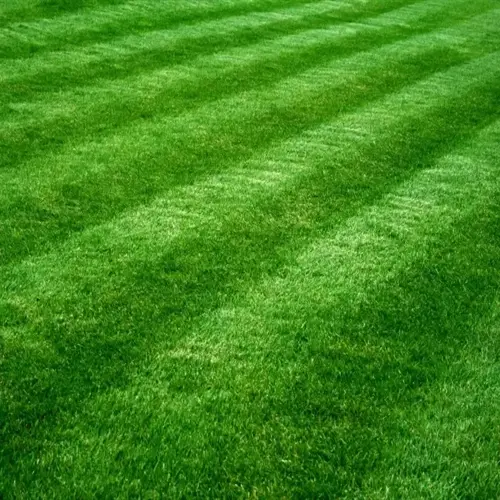
I planted a 60/40 Kentucky bluegrass and perennial ryegrass blend on my front lawn four years ago. The ryegrass showed green within one week and gave me a mowable lawn by week three. The bluegrass took about two months to fill in. But once it did, my lawn started fixing small bare spots on its own. Four years later that blend still looks thick and even with heavy use from my kids and dogs.
The science behind blending comes down to species working together. Ryegrass brings the highest wear tolerance of any cool-season grass per UC ANR data. Bluegrass adds self-repair through underground roots that ryegrass can't match. Together they build a turf system stronger than either one alone. Penn State found this same idea works in pastures too. Ryegrass-alfalfa mixes beat orchardgrass-alfalfa blends for feed quality and yield.
High Traffic Home Lawns
- Ratio: Use 60% Kentucky bluegrass with 40% ryegrass by weight for the right balance of speed and self-repair.
- Why it works: Your ryegrass handles daily wear while your bluegrass fills in any thin spots that pop up over time.
- Best for: Front yards, play areas, and any lawn that gets heavy use from your family and pets each season.
Partial Shade Lawns
- Ratio: Blend 40% fine fescue, 30% bluegrass, and 30% ryegrass to cover both your sunny and shaded zones.
- Why it works: Fine fescue grows under your trees where ryegrass fails. Ryegrass and bluegrass take your open sunny spots.
- Best for: Yards with mixed light from large trees or buildings that cast shade on parts of your lawn.
Sports and Play Fields
- Ratio: Go heavy at 70% ryegrass with 30% bluegrass for your maximum wear and fast bounce-back ability.
- Why it works: Ryegrass takes the abuse during games. Your bluegrass runners repair damage between events over time.
- Best for: Backyard sports areas, soccer goal zones, and high-traffic paths that take a beating each weekend.
One blend to skip is ryegrass with warm-season grasses like Bermudagrass or Zoysia in a permanent lawn. The two grass types compete for food during spring and fall. Southern homeowners do overseed dormant warm-season lawns with annual ryegrass for winter color. But that's a short-term setup where the ryegrass dies as your summer heat returns.
A ryegrass Kentucky bluegrass mix gives most northern homeowners the best bang for their effort. Pick endophyte-enhanced ryegrass for added insect defense in your blend. Push more bluegrass into the mix if you have moderate shade. Push more ryegrass if heavy traffic is your main problem. Buy single seed bags and mix them yourself for better cultivar control.
Start your blend in early fall when your soil sits between 50-65°F (10-18°C) for the best sprout rate. Spread seed at 8-10 lb per 1,000 sq ft for new lawns. Keep your soil moist for the first three weeks. The ryegrass will pop up first and give you quick green cover while your bluegrass and fescue build roots below the surface.
Read the full article: Perennial Ryegrass Guide for Lawns