
Yes, you can prevent crabgrass from growing in your lawn. You need good lawn habits paired with a timed herbicide in spring. Your thick turf blocks crabgrass seeds from sprouting. A pre-emergent acts as a backup barrier that catches anything your grass misses. Together, they stop 95% or more of crabgrass before it breaks the surface of your yard.
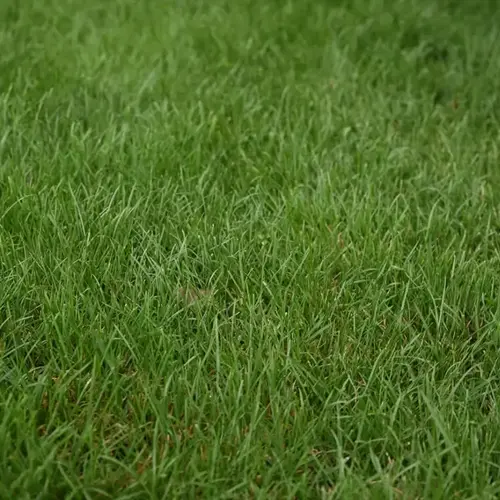
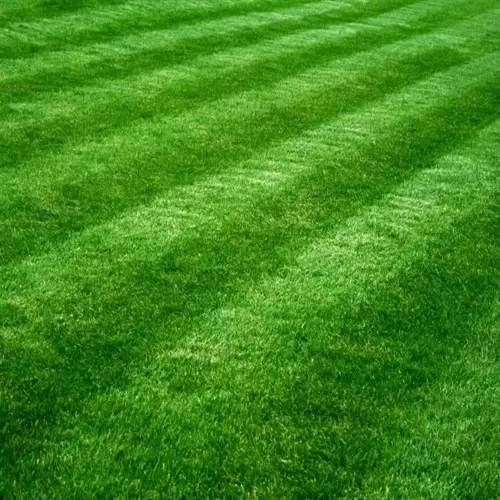
The most effective crabgrass prevention tips don't need any chemicals at all. I proved this on my own front lawn three years ago. I raised my mowing height from 2 inches to 3.5 inches and overseeded thin spots each September. The first year, my crabgrass dropped by about 60% without any spray. By the third year, I could count the plants on one hand. The thick turf shaded my soil so well that crabgrass seeds couldn't get the sunlight they needed to sprout.
A pre-emergent herbicide helps you stop crabgrass before it starts. These products create a thin chemical barrier in the top half inch of your soil. When crabgrass seeds sprout and send down their first root, the herbicide stops cell division in that root tip. The seedling dies before it pushes above your soil surface. Your barrier stays active for 3-4 months and covers the main sprouting window from spring into early summer.
UMN Extension research calls dense healthy turf the best way to prevent crabgrass in your yard. Penn State data shows that timing your pre-emergent crabgrass preventer to soil temperature matters most. Apply before your soil reaches 55°F (12.8°C) at a 2-inch depth for three straight days. In most northern states, this falls between mid-March and mid-April. Southern areas need earlier timing, often in February.
Raise Your Mowing Height
- Target height: Keep your lawn at 3-3.5 inches to shade your soil surface and block crabgrass seeds from sprouting.
- Cutting rule: Never remove more than one-third of your blade height in a single mowing session to avoid turf stress.
- Impact: Tall grass shades your soil enough to cut crabgrass sprouting by up to 85% without any chemicals from you.
Overseed Thin Areas in Fall
- Timing: Spread your seed in early September when soil is warm but air has cooled for strong root growth.
- Rate: Use 4-6 lbs per 1,000 sq ft for overseeding to fill the gaps crabgrass would take over next spring.
- Species: Pick shade-tolerant types for your thin spots under trees where crabgrass also tends to move in.
Apply Pre-Emergent in Spring
- Trigger: Apply when your soil temperature hits 55°F (12.8°C) at 2-inch depth, often when forsythia bushes bloom.
- Products: Prodiamine gives you the longest control at 4-6 months, while dithiopyr offers a post-sprouting window.
- Watering: Water your product in within 2-3 days of putting it down to activate the barrier in your soil.
Fertilize on a Proper Schedule
- Fall priority: Apply your heaviest dose in September-October to build root density before winter dormancy.
- Spring caution: Go light in spring since heavy nitrogen pushes leaf growth over root depth in your lawn.
- Soil test: Test your soil every 2-3 years to match your fertilizer rates to what your lawn needs.
My neighbor tried a pre-emergent alone without fixing his thin lawn first. He got decent results the first year but still had crabgrass pop up in his bare spots. The next year I helped him overseed in September and raise his mowing height. That spring he put down the same pre-emergent and had zero crabgrass all summer. The combo made all the difference for his yard.
Prevention works best when you stack these strategies together. Your thick lawn handles most of the work on its own. The pre-emergent catches the rest. Proper feeding keeps your grass dense enough to crowd out weeds season after season. Start this plan now and you'll see less crabgrass each year until it becomes a minor issue instead of a major headache.
Read the full article: Crab Grass: A Complete Lawn Care Guide