
You can add perlite without repotting by using two simple methods. Spread it on the soil surface or poke it down into the root zone with a stick. Neither works as well as a full repot. But both give your plant a clear drainage boost when pulling it out isn't an option.
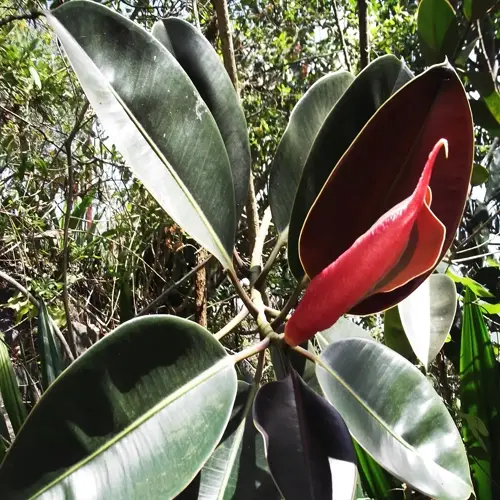
I used this on a large fiddle leaf fig stuck in heavy, packed soil. The tree stood over five feet tall and the pot weighed close to 40 pounds. No way I could repot it alone on a weekday. So I grabbed a chopstick and poked about eight deep holes around the root zone. Then I poured fine perlite into each hole until it filled up. Within a week the soil drained much faster after watering. When I first tried this trick, I was shocked by how well it worked.
The first method is to perlite top dress existing soil. Spread a thin layer across the surface of your pot. Use about a quarter inch of perlite and cover the exposed dirt evenly. This helps your topsoil dry out faster between waterings. It also cuts down on fungus gnats since those pests need moist surfaces to breed. On its own this only fixes the top layer of your pot.
The second perlite soil amendment technique goes deeper. Take a chopstick, pencil, or thin stick and push it straight down about two-thirds deep into the pot. Wiggle the tool to make a small pocket. Pull it out and pour perlite in the hole. Do this 6 to 8 times around the pot. Stay about an inch from the main stem so you don't hurt the roots. Each filled hole creates a drainage path through your packed soil.
Perlite works best when you spread it through the whole medium. Colorado State University backs this up in their potting soil guides. Surface and hole methods only reach part of your root zone. A full repot with 20 to 25% perlite will always give you better results than these quick fixes.
For the best results short of repotting, use both methods at once. Top-dress the surface with a thin perlite layer. Then poke your 6 to 8 holes around the edges and fill them. Water the plant right after to settle the perlite into place. This combo gives you solid drainage until your next repotting day.
Your plant will grow much stronger roots once perlite sits through the full soil profile. Use these methods to get by for now. Then do a proper mix-in when the time comes. Most houseplants only need repotting once a year, so you won't wait long to give them the full upgrade they deserve.
I now keep a small bag of perlite next to my watering can at all times. Any time I notice a plant draining slow, I grab a chopstick and poke a few holes right then. This takes about two minutes per pot and saves you from losing plants to soggy soil while you wait for repotting season.
You can also combine these quick fixes with regular feeding. Perlite doesn't hold any nutrients, so your soil loses some feeding power when you add it. Give your plants a half-strength liquid fertilizer every two weeks after you add perlite. This makes up for the lost nutrients from having less organic matter in the pot. Your plants will stay fed and happy while the perlite handles the drainage side of things. Keep this feeding schedule going until your next full repot with fresh soil and perlite mixed in together.
Read the full article: Perlite for Plants: A Complete Guide