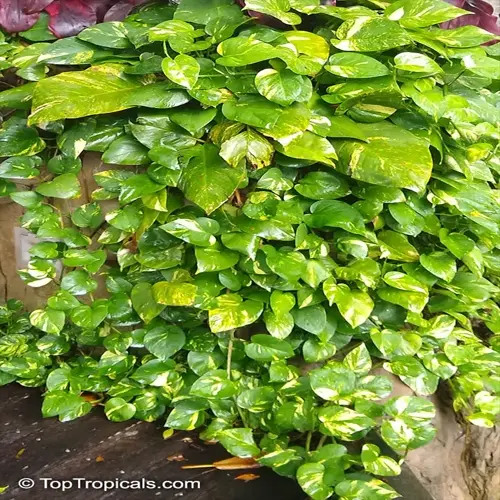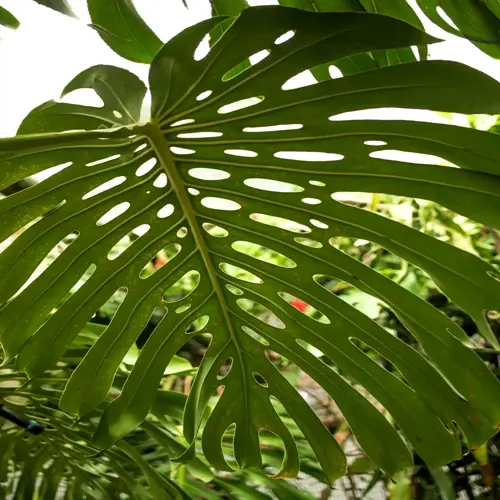

Yes, Swiss cheese plants same as Monstera is the right way to think about it. "Swiss cheese plant" is just a nickname for plants in the Monstera genus. It's not a separate species at all. The mix-up happens because shops use this same nickname for more than one Monstera species.
I've watched this cause problems at garden centers many times. A store puts a big M. deliciosa next to a smaller M. adansonii with the same swiss cheese plant name tag on both. You grab one thinking they're all the same, then wonder why your plant looks nothing like your friend's. The monstera deliciosa vs adansonii gap is bigger than most people think.
From a science angle, both species sit in the family Araceae under the group called Monsteroideae. An NCBI study on their DNA confirmed that M. deliciosa and M. adansonii share a close common ancestor with 100% support in the data. They're related, but they're distinct species with their own look and growth habits. Knowing the monstera species differences helps you care for yours the right way.
The easiest way to grasp the monstera deliciosa vs adansonii split is to compare their leaves side by side. Deliciosa grows big leaves that can reach 10 to 35 inches (25 to 89 centimeters) across. These leaves get both deep splits along the edges and holes through the middle as they age. Adansonii has much smaller leaves with scattered oval holes but no deep splits at all.
Monstera Deliciosa
- Leaf size: Your leaves can reach 10 to 35 inches across, making this the bigger and more dramatic of the two species for your home.
- Hole pattern: You get both deep splits from the edge and holes through the blade as your plant ages and gets more bright light.
- Growth habit: Grows upright and climbs with thick stems. You'll need a moss pole or trellis to support it as it gets taller.
Monstera Adansonii
- Leaf size: Your leaves max out around 6 to 8 inches long, giving your plant a more delicate and airy look in any room.
- Hole pattern: You see scattered oval holes through each leaf, but your plant won't produce the deep edge splits that deliciosa shows.
- Growth habit: Trails and vines more than it climbs. You can hang it from a basket or let it cascade down from a high shelf.
These monstera species differences show up in your care routine too. Your deliciosa handles lower light and needs a sturdy pole to reach full size. Your adansonii likes a bit more humidity and dries out faster in its smaller pot. Both enjoy the same watering style and temp range, but you'll display them in different ways.
To tell them apart at the store, check three things. First, look at leaf size since your deliciosa leaves will dwarf adansonii even on young plants. Second, check for deep edge splits that only deliciosa makes. Third, watch the growth habit. Deliciosa stems grow thick and upright while adansonii sends out thinner trailing vines. Getting the right one home means you can give it the exact care it needs from day one.
Read the full article: Swiss Cheese Plant Care Guide