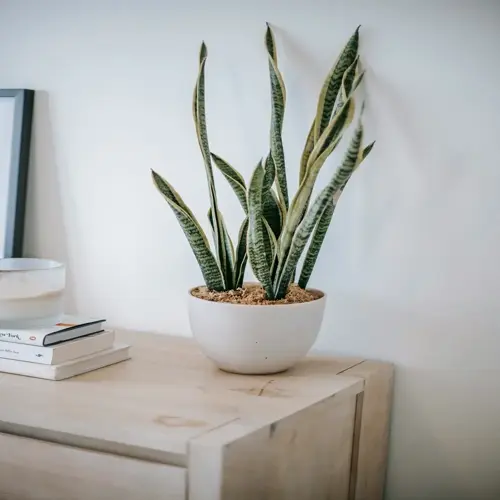

Are rattlesnake plants hard to keep alive for most people? No, and they are one of the more forgiving members of the calathea family. You don't need a green thumb or fancy tools to grow one. You just need a few steady habits and the right water.
The calathea care difficulty hype comes from fussier species. Orbifolia and white fusion both need humidity above 60% just to prevent brown edges. Your rattlesnake plant does fine in normal home air. Mine pushed out new leaves in a room that sat around 45-50% all winter long.
I won't pretend my first month was smooth. The leaf tips went crispy within two weeks, and I panicked thinking the whole plant was dying on me. Turns out I was watering it straight from the tap. Chlorine and mineral buildup from hard water burn those thin leaf edges fast. Once I switched to filtered water, the new growth came in clean and stayed that way.
These plants evolved under the canopy of the Brazilian rainforest. The temperature there barely shifts, the light stays dim, and the air holds moisture. Your plant doesn't need a perfect copy of the Amazon. It just needs you to keep things stable. A consistent spot away from drafts and heating vents goes a long way toward keeping your rattlesnake plant healthy.
Using Unfiltered Tap Water
- The problem: Chlorine and dissolved minerals in tap water cause brown, crispy leaf tips that spread over time and ruin the plant's look.
- The fix: Use filtered, distilled, or rainwater at room temperature every time you water your rattlesnake plant.
- Why it works: Clean water prevents mineral salt buildup in the soil that damages the fine root system and blocks nutrient uptake.
Letting Humidity Drop Too Low
- The problem: Dry air below 40% humidity makes leaf edges curl inward and turn brown, giving the plant a rough and unhealthy appearance.
- The fix: Place a pebble tray filled with water under the pot or group your plants together to create a small humid microclimate.
- Why it works: Evaporation from the tray raises local humidity by 10-15% right where your plant needs it most.
Placing It in Direct Sunlight
- The problem: Direct sun bleaches the dark green markings and scorches the thin leaves, causing pale spots and permanent damage to the foliage.
- The fix: Move the plant to a spot with bright indirect light such as a north-facing window or a few feet back from an east-facing one.
- Why it works: Filtered light mimics the shaded rainforest floor where this plant grows best and keeps its patterns vibrant.
The rattlesnake plant is one of the easy calathea varieties that takes more neglect. Growfully puts it above orbifolia and white fusion for new growers. If you can keep a pothos alive, you can grow this one too.
This beginner-friendly calathea rewards you with striking wavy leaves that fold up each night like hands in prayer. Fix the three mistakes above and your plant will thrive for years. Being consistent matters more than being perfect with this species. Show up with clean water once a week and you are already doing most of the work.
You don't need to be an expert to grow this plant well. Give it clean water, keep the air around it moist, and block it from harsh sun. Those three small changes turn a struggling rattlesnake plant into a thriving one. You will see new leaves each month once your routine clicks into place. Most new owners get past the hard part within 4-6 weeks of starting with filtered water and a pebble tray. After that, the plant mostly takes care of itself and just needs you to check in once a week.
Read the full article: Rattlesnake Plant Care Guide