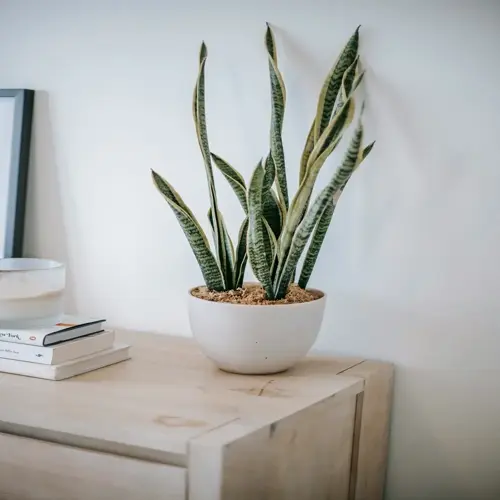

Are coffee grounds good for snake plants in your home? Yes, in small amounts and only after you compost them first. Fresh grounds from your coffee maker can cause more harm than good. Used grounds that have broken down for a few weeks add gentle nutrition without the risks of raw use.
The biggest mistake people make with coffee grounds and houseplants is dumping wet used grounds right on top of the soil. I did this once and regretted it within a week. The damp grounds formed a thick crust on the surface that trapped moisture and grew a fuzzy layer of mold. Fungus gnats showed up three days later because those tiny flies love wet organic matter sitting on soil. If you want to use coffee grounds houseplants love, you need to prepare them first.
Used coffee grounds contain nitrogen, potassium, and phosphorus, the three main nutrients every plant needs. Their pH sits around 6.5-6.8 after brewing, which is close to neutral. Fresh unbrewed grounds run more acidic and can burn root tips on sensitive plants. The brewing process washes out most of the acid, which is why used grounds are safer than fresh ones. Snake plant fertilizer needs are modest, so even a small nutrient boost from composted grounds gives them what they need.
Snake plants prefer a soil pH between 5.5 and 7.0, which falls in the slightly acidic to neutral range. Composted coffee grounds fit within that window without pushing the pH too far in either direction. Broken-down grounds release nitrogen at a slow pace. This supports steady leaf growth over months instead of a sudden jolt.
Compost Grounds First
- How to do it: Spread used grounds on a tray and let them dry, then mix them into a compost bin or bag with other organic material for 2-4 weeks.
- Why it matters: Composting breaks down the grounds so they release nutrients slowly and won't attract mold, gnats, or other pests to your plant pot.
- Quick alternative: If you don't compost, dry the grounds completely on a baking sheet and store them in a sealed container until you need them.
Mix Into Soil Sparingly
- The ratio: Never exceed 10% coffee grounds in your total potting mix, meaning one small scoop of grounds for every nine scoops of soil.
- When to add: Work the composted grounds into the soil during your spring repotting so they distribute through the root zone from the start.
- Watch for trouble: If you see mold forming on the soil surface or notice a sour smell, you added too much and should repot with fresh soil.
Use Liquid Fertilizer As Primary Feed
- Best approach: Treat coffee grounds as a supplement and use a balanced liquid fertilizer diluted to half strength as your main feeding method.
- Feeding schedule: Feed your snake plant once a month during spring and summer, then stop through fall and winter when growth slows down.
- Why both work together: Liquid fertilizer provides immediate nutrients while composted grounds improve soil structure and feed beneficial microbes over time.
Coffee grounds work as a natural plant fertilizer when you treat them as a small part of your feeding strategy. They improve soil texture and feed the good bacteria that help roots absorb nutrients. They also add trace minerals over time. Just don't rely on them as your only food source.
Compost your grounds, keep the ratio under 10%, and pair them with a proper liquid feed. Your snake plant will get the best of both worlds without the mold and pest problems that come from using raw grounds straight out of the coffee maker.
Read the full article: Rattlesnake Plant Care Guide