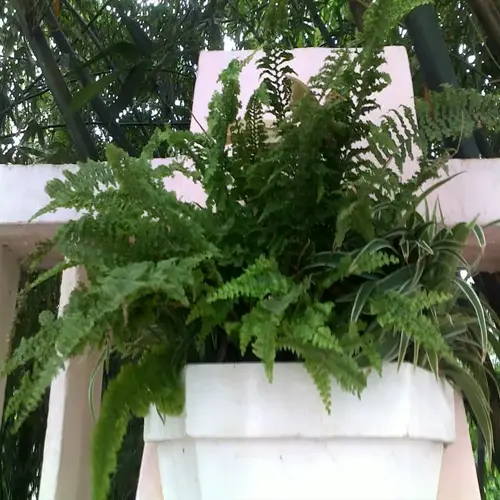

The asparagus fern difficulty level is low compared to most houseplants you can buy. These plants store water in thick roots beneath the soil. That means they forgive missed waterings that would kill fussier species. If you can keep a pothos alive, you can handle an asparagus fern.
I grew calatheas and maidenhair ferns for two years before I picked up my first asparagus fern. Those other plants punished me for every mistake. Miss one watering on a maidenhair and you get crispy brown leaves within days. My asparagus fern sat through a full week without water during a vacation and looked fine when I got home. That kind of strength makes it a top easy care houseplant for anyone who travels or has a busy life. You don't need to hover over this plant or set reminders on your phone to check on it every day.
The secret behind this toughness lives below the soil. Your asparagus fern grows a dense network of fibrous roots packed with fleshy white bulbous tubers that work like tiny water tanks. Each tuber stores moisture and nutrients that the plant draws from during dry spells. This root system grows so strong that UW-Madison Extension notes it can crack ceramic pots from sheer pressure. The vigor of those roots means your plant fights hard to survive even when you forget about it for a while.
You also don't need to worry much about keeping the room at a perfect temperature. Your asparagus fern grows well anywhere between 50°F and 80°F (10°C and 27°C), which covers most homes all year long. You don't need a greenhouse or a warm corner to keep it going. Just avoid placing your fern next to a cold drafty window in winter. Keep it away from heating vents that blast hot dry air too.
With all that said, three mistakes still manage to kill these plants. Overwatering leads to root rot and kills the plant fast. Those water-storing tubers hold plenty of moisture on their own. Adding more water to soggy soil chokes the roots. Low humidity is the second killer. Indoor air below 40% makes your plant drop needles until bare stems are all you have left. The third is total darkness. A dark corner with no light at all will starve your fern within a few months. The cladodes need some brightness to make food for the root system.
You can avoid all three of those problems with a simple setup. Use a pot with drainage holes so water flows through. Place the pot on a pebble tray or near a humidifier to boost moisture in the air. Pick a spot with bright indirect light, like an east-facing window, where your fern gets gentle sun without scorching. These three steps cover the biggest risks and take almost no effort to maintain.
If you're an asparagus fern beginner who wants the easiest start, grab the Sprengeri variety. It handles more sun, more shade, and more neglect than the plumosa or meyeri types. Sprengeri ferns bounce back from pruning faster and push out thicker growth with less work on your part. Give it a pot with good drainage, bright filtered light, and water when the soil dries out. That's your entire recipe for a plant that sticks around for years and keeps looking good without constant attention from you.
The asparagus fern difficulty question comes up a lot in plant forums, and the answer stays the same. These are tough plants built for survival. You would have to try hard to kill one if you follow the basics. Give yours a fair amount of light, don't drown it, and keep the air from going bone dry. Do those three things and your fern will grow strong for years without giving you any grief.
Read the full article: Asparagus Fern Care and Growing Guide