
Introduction
The boston fern showed up by accident back in 1894. A plant shipper in Philadelphia sent a batch of sword ferns to Boston. One fern in that group looked different from the rest. Its fronds arched and draped in a new way, and that single plant launched over 130 years of houseplant fame.
I've grown Nephrolepis exaltata in my home for 8 years now. Boston fern care is more forgiving than most people expect. Maidenhair ferns crisp up the moment you forget about them. This species bounces back from neglect faster than almost any fern you can buy. Fronds grow up to 4 feet long per UW-Madison Extension data. UF/IFAS classifies them as fast growers that fill out a basket in one season.
This guide pulls its advice from university extension programs and NASA research. You'll find real numbers for temperature, humidity, and watering. UW-Madison, NC State, and UF/IFAS all provided the data behind these tips. My own years of hands on houseplant care back up every point.
Below you'll learn which varieties match your space and how to set up the right light and moisture. You'll also find out what to do when problems show up. Pet owners will be glad to know these plants are safe around cats, dogs, and horses.
8 Best Boston Fern Varieties
Boston fern varieties come in more shapes than most people realize. UW-Madison Extension records 11 named cultivars and NC State lists 13. This species throws off new sports all the time. That's why so many types of boston fern exist with different sizes and textures for you to choose from.
I've grown 5 of these boston fern varieties in my own collection over the years. Some need more attention than others, and a few compact boston fern options work great for small apartments. The Dallas fern and Fluffy Ruffles fern stand out as top picks for different reasons. Here's what each cultivar brings to the table.

Classic Bostoniensis
- Frond Style: The original Boston fern with long, arching fronds that can reach up to 4 feet (1.2 meters) in length and 6 inches (15 centimeters) wide
- Growth Habit: Fast-growing with a graceful cascading shape that makes it the most popular choice for traditional hanging baskets and elevated plant stands
- Care Level: Moderate difficulty requiring consistent moisture and humidity above 50%, but more drought-tolerant than most other fern species
- Best Placement: Ideal for covered porches, shaded patios, and bright bathrooms where it can receive filtered light without direct afternoon sun exposure
- Size Range: Reaches 2 to 3 feet (0.6 to 0.9 meters) wide indoors, though outdoor specimens in tropical climates can spread much larger over time
- Special Notes: This is the cultivar that started it all in 1894 and remains the standard against which all other Boston fern varieties are compared
Dallas Fern
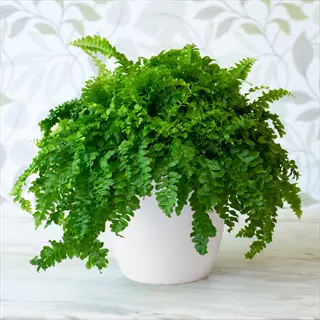
- Frond Style: Shorter, darker green fronds that grow more upright than the classic variety, giving it a tidier and more compact overall appearance
- Growth Habit: Slower growing than Bostoniensis with a maximum spread of about 2 feet (0.6 meters), making it well suited for smaller indoor spaces
- Care Level: Easier than the classic variety because it tolerates lower humidity and lower light conditions, making it a strong choice for beginners
- Best Placement: Works well on desks, shelves, and tabletops where space is limited and light levels may be lower than what other ferns require
- Size Range: Stays compact at 1 to 2 feet (0.3 to 0.6 meters) tall, rarely outgrowing its container as quickly as other Boston fern cultivars
- Special Notes: Often recommended as the best starter fern because it forgives occasional missed waterings better than most other varieties in this list
Fluffy Ruffles
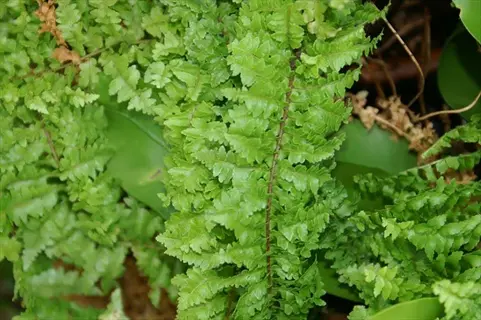
- Frond Style: Dense, upright fronds with heavily ruffled edges that create a textured, layered look quite different from the smooth arching classic variety
- Growth Habit: Compact and bushy growth pattern that fills out its container fast without the long trailing habit of traditional Boston fern cultivars
- Care Level: Moderate care needs with a bit higher humidity requirements than Dallas fern but similar light preferences for bright indirect conditions
- Best Placement: Excellent for tabletop displays, windowsills, and decorative pots where its unique texture can be appreciated up close by visitors
- Size Range: Stays quite small at 1 to 1.5 feet (0.3 to 0.45 meters) in both height and width, making it one of the most manageable cultivars
- Special Notes: The ruffled frond edges give this variety strong visual interest even when not displayed in a hanging position like the classic form
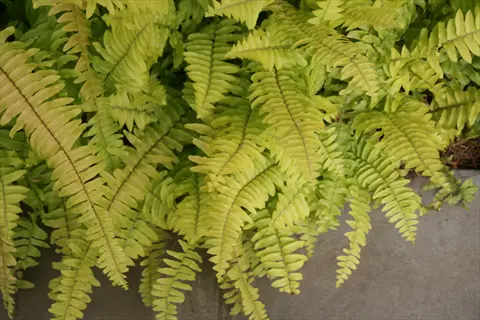
Rita's Gold
- Frond Style: Bright golden-green to chartreuse fronds that stand out in sharp contrast to the deep green color of most other Boston fern cultivars available today
- Growth Habit: Medium growth rate with a semi-compact form that works in both hanging baskets and tabletop containers depending on your available space
- Care Level: Requires a bit more light than green varieties to maintain its golden coloring, but otherwise follows the same care routine as standard cultivars
- Best Placement: Best near bright east-facing windows where morning light enhances its golden hue without risking the leaf scorching caused by afternoon sun
- Size Range: Grows to about 1.5 to 2 feet (0.45 to 0.6 meters) in both height and spread, fitting well on medium-sized plant stands and shelves
- Special Notes: The golden foliage adds warm color to green plant collections and pairs great with darker-leaved houseplants for visual contrast
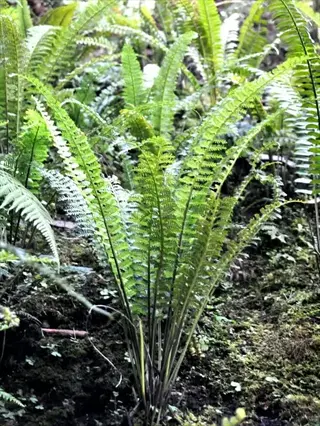
Whitmanii (Lace Fern)
- Frond Style: Extremely fine, lacy fronds with deeply divided leaflets that create an airy, feathery appearance unlike any other Boston fern cultivar available
- Growth Habit: Moderate growth with a graceful draping habit that looks stunning in hanging baskets where light can filter through its delicate frond structure
- Care Level: A bit more demanding than the classic variety because its fine fronds lose moisture faster and are more sensitive to low humidity conditions
- Best Placement: Ideal for humid rooms like bathrooms or kitchens where the moisture in the air helps keep its delicate lacy fronds from drying and curling
- Size Range: Reaches about 1.5 to 2.5 feet (0.45 to 0.75 meters) in spread with fronds that can trail over the edges of elevated containers
- Special Notes: Sometimes called Lace Fern for its intricate frond pattern, this variety has been cultivated since the early 1900s as a decorative specimen
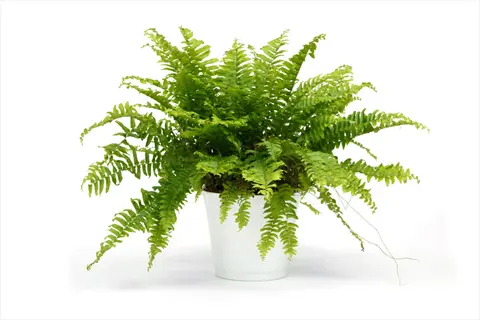
Massii
- Frond Style: Compact fronds that grow more upright and densely packed than the classic variety, creating a fuller and more structured plant silhouette overall
- Growth Habit: Moderate growth rate that produces a tight, bushy shape without the wide cascading spread that makes larger Boston ferns hard to place indoors
- Care Level: Similar care requirements to the classic Bostoniensis but a bit more tolerant of drier air, making it a practical option for heated indoor spaces
- Best Placement: Works well on plant stands, bookshelves, and in grouped displays where its compact form adds green texture without overwhelming the arrangement
- Size Range: Stays between 1 and 2 feet (0.3 to 0.6 meters) tall and wide, making it one of the easier Boston fern varieties to fit into small rooms
- Special Notes: An underappreciated cultivar that deserves more attention from indoor gardeners who want the Boston fern look in a more space-friendly package
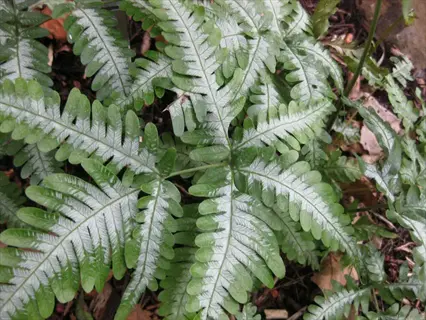
Tiger Stripe
- Frond Style: Variegated fronds featuring alternating bands of light and dark green that create a striped pattern reminiscent of tiger markings along each leaflet
- Growth Habit: Medium growth rate with a a bit more upright posture than the classic variety, displaying its variegation pattern best when viewed from eye level
- Care Level: Needs brighter indirect light than solid green cultivars to maintain its variegation, as low light conditions cause the striping to fade over time
- Best Placement: Position near a bright window with filtered light where the variegated pattern catches natural light and creates visual depth in the foliage
- Size Range: Grows to about 1.5 to 2.5 feet (0.45 to 0.75 meters) in both height and width, comparable in size to the classic Bostoniensis when mature
- Special Notes: Listed by NC State Extension as a distinct cultivar, Tiger Stripe remains harder to find at stores but is worth seeking from specialty nurseries

Florida Ruffle
- Frond Style: Broad, ruffled fronds with wavy edges that give the plant a fuller and more textured look compared to the smooth-edged classic Bostoniensis variety
- Growth Habit: Vigorous grower that fills out hanging baskets and large containers fast, producing dense clusters of overlapping fronds in favorable conditions
- Care Level: Hardy and forgiving with care needs similar to the classic variety, making it a reliable choice for gardeners who want a ruffled texture without added difficulty
- Best Placement: Excellent for large hanging baskets on covered porches or in spacious rooms where it has room to spread and display its full ruffled form
- Size Range: Can reach 2 to 3 feet (0.6 to 0.9 meters) in both height and width, requiring a generous container to accommodate its vigorous root system
- Special Notes: Developed in Florida and bred for heat tolerance, this cultivar performs best in warm, humid climates and greenhouse environments
Your best pick depends on the space you have and how much time you want to spend on care. Start with a Dallas fern or Massii if you're new to ferns. Move up to a Whitmanii or Tiger Stripe once you've built some confidence with the basics.
Ideal Light and Temperature
Your boston fern light requirements are simpler than most care guides make them sound. These plants evolved under dense forest canopies in the tropics. They handle low light levels down to 15 to 20 umol photons per square meter, which is darker than most rooms in your house. That's why a north facing bathroom or a shaded corner still works for them.
The sweet spot is bright indirect light from an east-facing window with a sheer curtain. I keep mine about 3 feet from an east window and the fronds stay deep green with strong growth. Gentle morning sun won't hurt your fern at all. Harsh afternoon sun from a south or west window will scorch the fronds within days.
Boston fern temperature needs match what most homes provide. NC State Extension puts the ideal range at 60 to 70°F. UW-Madison says nights should stay above 65°F for best results. Your fern can handle up to 95°F but it will need more water on hot days. Move it inside when temps drop to the low 40s.
Boston fern low light survival doesn't mean the plant thrives in darkness. Fronds grow pale and thin without enough light. You'll notice leggy growth and wider gaps between leaflets if your fern needs more brightness. Just slide it closer to a window and watch the new fronds come in thicker within a few weeks.
Watering and Humidity Needs
Boston fern watering trips up more owners than any other care task. The trick is keeping soil damp without making it soggy. Push your finger 1 inch into the soil and water when it feels dry at that depth. UW-Madison Extension calls these plants the most drought tolerant of common ferns, so a brief dry spell won't kill yours.
How often to water a boston fern depends on the season and your home's air. I water mine every 2 to 3 days in summer and once a week during winter. Bottom watering works great for these plants because it pulls moisture up through the roots without soaking the crown. An overwatered boston fern shows yellow fronds and mushy stems at the base, so ease up if you spot those signs.
Water quality matters more than most guides tell you. Chlorine and fluoride in tap water build up as mineral deposits on your fronds over months. Switch to filtered water or rainwater and you'll see the brown tips stop spreading. Boston fern misting gives your plant a quick boost but it doesn't replace real boston fern humidity solutions. NASA research found that a single mature fern can raise room humidity by up to 12%.
Pebble Tray Method
- Setup: Fill a wide flat tray with clean pebbles or river stones, add water until it reaches just below the top of the stones, and set the pot on top without letting it sit in water
- Effectiveness: Raises humidity in the immediate area around the plant by 5 to 10%, which helps but may not be enough during dry winter months with forced air heating
- Maintenance: Refill water as it evaporates every few days and clean the tray each month to prevent algae growth and mineral deposits from building up on the stones
- Cost: Free if you have a spare tray and some stones, making this the most budget friendly humidity solution for a single Boston fern plant
Room Humidifier
- Setup: Place a cool mist humidifier within 3 to 5 feet of your Boston fern and set it to maintain ambient humidity between 50 and 60%
- Effectiveness: The most reliable method for maintaining consistent humidity levels throughout the day, and it works great during winter when indoor heating dries the air
- Maintenance: Clean the humidifier tank each week to prevent mold and bacterial growth, and use distilled water if your tap water leaves white mineral dust on surfaces
- Cost: Small room humidifiers start at around $25 to $40 and can serve multiple plants grouped together in the same area of a room
Plant Grouping Strategy
- Setup: Cluster your Boston fern with other tropical houseplants so that collective transpiration creates a shared microclimate with higher moisture levels in the air
- Effectiveness: Groups of 3 or more plants can raise the immediate humidity by 10 to 15% compared to a plant sitting alone in the same room
- Maintenance: Minimal effort required beyond normal plant care, though you should ensure good air flow between grouped plants to prevent fungal issues
- Cost: Free if you already own multiple houseplants, and it creates an attractive indoor garden display that benefits every plant in the group
Bathroom Placement
- Setup: Place your Boston fern in a bathroom that gets natural light from a window, where steam from daily showers provides consistent ambient humidity
- Effectiveness: Bathrooms maintain 50 to 70% humidity after daily use, which matches the conditions Boston ferns need in their native tropical habitats
- Maintenance: Ensure the bathroom has adequate ventilation to prevent stagnant air, and rotate the plant so all sides receive even light exposure over time
- Cost: Free and the easiest solution since it requires no extra equipment, just a bathroom with a window that provides filtered natural light
Soil, Fertilizer, and Repotting
The best soil for boston fern is a simple mix you can make at home in about 2 minutes. Combine 2 parts peat moss with 1 part perlite and you've got a boston fern soil mix that holds moisture while still draining well. A peat-based soil works so well because it stays damp without getting waterlogged. It also keeps the pH in the 5.0 to 5.5 range that these ferns prefer. UF/IFAS confirms that Boston ferns tolerate a wide range of soils including clay, sand, and loam.
I feed mine with a balanced liquid boston fern fertilizer at half the strength listed on the bottle. UW-Madison Extension backs this up and warns that too much fertilizer causes browning and drying from the frond ends. Apply it every 4 to 6 weeks from spring through summer. Stop feeding during fall and winter when your plant slows down its growth.
Repotting boston fern scares a lot of new owners but the process is straightforward. Your fern is root-bound when you see roots poking out of the drainage holes and new fronds grow in smaller than the older ones. Move it to a pot that's 1 to 2 inches wider than the current one. Use fresh peat based mix and water it well after the move. Spring is the best time for this job since the plant has all season to settle into its new home.
Propagation and Pruning
Learning how to propagate a boston fern is easier than you might think. Boston fern division and boston fern runners give you 2 reliable methods to grow new plants at home. In my experience you can split your fern 3 or 4 times and each piece will grow into a full sized plant within one season.
Pruning boston ferns worries a lot of new owners but you don't need to stress about it. UF/IFAS research shows that your plant bounces back from severe pruning fast. New fronds sprout from the roots within weeks. When I tested this on my own fern I gave it a full haircut down to 2 inches in March. It was bushy again by June. That's how you make boston fern bushier when your plant starts looking sparse or leggy on top.
Division of Root Clump
- When to Divide: The best time to divide a Boston fern is in early spring just before the growing season begins, when the plant has maximum energy reserves stored in its root system
- Preparation: Water the fern well the day before dividing so the roots are hydrated and flexible, then remove the entire root ball from its container the next morning
- Process: Use a sharp clean knife to cut the root ball into 2 to 4 sections, making sure each section has at least 3 to 4 healthy fronds and a solid mass of roots attached
- Potting Up: Plant each division in a pot one size smaller than the original, using fresh peat-based potting mix, and water well until excess drains from the bottom holes
Runner (Stolon) Propagation
- Identifying Runners: Look for thin, wiry stems growing out from the base of the plant that produce small plantlets with tiny fronds at their tips during spring and summer
- Rooting Method: Pin the runner plantlet into a small pot of moist soil while it is still attached to the mother plant, using a bent paperclip or small stone to hold it in place
- Separation Timing: Wait 4 to 6 weeks until the plantlet has developed its own root system and shows active new growth before cutting the runner connecting it to the parent fern
- Aftercare: Keep the new plantlet in a warm humid spot with indirect light for the first month, misting it each day until it builds a strong root system on its own
Pruning for Health
- Regular Maintenance: Remove brown, yellow, or dead fronds at their base throughout the year by cutting them flush with the soil surface using clean sharp scissors or pruning shears
- Full Rejuvenation Cut: If the fern looks sparse or leggy, cut all fronds back to 2 inches above the soil in early spring and new growth will emerge within 2 to 4 weeks
- Frequency: Light pruning can be done each month as needed, while full rejuvenation cuts should happen once a year at most and always at the start of the active growing season
- Important Tip: Always use sterilized cutting tools to prevent spreading fungal or bacterial infections between plants, and clean your tools with rubbing alcohol between each cut
Timing and Seasonal Notes
- Best Season: Spring is the best time for both propagation and heavy pruning because the plant is entering its most active growth phase with longer daylight hours ahead
- Avoid Winter: Never divide or cut back a Boston fern hard during fall or winter dormancy, as the plant lacks the energy reserves needed to recover and may decline or die
- Growth Recovery: A healthy Boston fern produces new fronds from its crown all through the growing season, with each frond taking about 4 to 6 weeks to reach full length
- Signs of Readiness: Your fern is ready for division when it becomes root-bound and new fronds emerge smaller than older ones despite proper feeding and watering
Pests and Troubleshooting
Most boston fern problems start with the environment, not with bugs. NC State Extension notes that spider mites boston fern owners complain about get worse when the air is too dry. Scale insects follow the same pattern. Fix your humidity and air flow first and you'll prevent most pest issues before they start.
Boston fern pests like the Florida fern caterpillar and fern scale insect can show up even on healthy plants. The good news from UF/IFAS research is that these pests don't cause lasting damage when you catch them early. Yellowing fronds and boston fern brown tips are the first signs that something is off. Check your fronds top and bottom each week and you'll spot trouble before it spreads.
Boston fern root rot hits hardest during winter when you water too much and the plant isn't growing fast enough to use it. Pull the plant from its pot if you see soft stems at the base. Trim away all black roots and repot in dry fresh soil. A quick spray of neem oil treats most bug problems on contact and also works as a preventive coating on healthy fronds.
Seasonal Care Calendar
Seasonal plant care makes or breaks your boston fern's health each year. Most fern deaths happen during the fall to winter shift. You bring your boston fern outdoors back inside into dry heated rooms and it crashes. I lost my first fern this way from the humidity shock of moving it off a porch.
This boston fern care indoors calendar tells you what to do in each season. Your boston fern fertilizer schedule and watering both change as the year moves along. Overwintering boston ferns takes a bit of planning. Boston fern winter care is simple once you know the key dates and triggers to watch for.
Spring: Active Growth Phase
- Feeding: Resume your boston fern fertilizer schedule with a balanced liquid feed diluted to half strength, applied every 4 to 6 weeks from early spring through the end of summer
- Watering: Increase watering as temperatures rise and the plant enters active growth, checking soil moisture every 1 to 2 days to keep it damp but not soggy
- Repotting: Spring is the ideal time to repot or divide overcrowded plants before new fronds start to emerge, giving roots time to settle in fresh soil before summer heat
- Outdoor Transition: Move plants outdoors to a shaded porch or patio once nighttime temperatures stay above 50°F (10°C) for good
Summer: Peak Growth Season
- Feeding: Continue the half strength fertilizer schedule every 4 to 6 weeks and watch for signs of over feeding such as browning frond tips or salt crust on the soil surface
- Watering: Water more often during hot weather, even daily for outdoor plants in hanging baskets that dry out faster due to air flow and higher temperatures around the pot
- Light Protection: Ensure outdoor plants are shielded from direct afternoon sun, which gets stronger during summer months and can scorch fronds even on tougher varieties
- Pest Monitoring: Check frond undersides each week for spider mites and scale insects, which thrive in hot dry conditions and can spread fast during summer if you miss them
Fall: Transition Indoors
- Timing: Start the move indoors when nighttime temperatures drop to the low 40s°F (4 to 7°C), well before the first frost threatens your outdoor plants
- Acclimation: Transition over 1 to 2 weeks by bringing the plant inside at night and returning it outside during warm days so it can adjust to indoor light levels
- Pest Check: Inspect every frond before bringing the plant inside to avoid carrying outdoor pests like spider mites, scale, or caterpillars into your home environment
- Reduce Feeding: Cut fertilizer in half during early fall and stop feeding by late fall as the plant slows its growth in response to shorter daylight hours
Winter: Dormancy Period
- Watering: Reduce watering a lot, allowing the top half inch of soil to dry between waterings to prevent root rot during the slow growth dormancy period
- Humidity: Indoor heating drops humidity fast so use a humidifier, pebble tray, or group your plants together to maintain moisture levels above 40 to 50% around the fern
- Temperature: Keep plants away from radiators, heating vents, and cold drafty windows where temperature swings can cause rapid frond drop and stress during winter months
- Light: Move the plant closer to windows to make up for reduced winter daylight, but avoid placing it right against cold glass which can chill the fronds
The biggest seasonal mistake I see is skipping the acclimation step in fall. Overwintering boston ferns works best when you give your plant 1 to 2 weeks to adjust. A sudden move from your porch to your living room stresses the plant and causes massive frond drop within days.
5 Common Myths
Boston ferns purify indoor air so effectively that a single plant can clean an entire room of pollutants.
The NASA study tested plants in sealed chambers. Real homes would need hundreds of ferns per room to match mechanical ventilation rates.
Boston ferns must be kept in complete shade because any direct sunlight will immediately burn their fronds.
Boston ferns tolerate gentle morning sun from an east-facing window. Only harsh afternoon direct sunlight causes scorching damage.
You should water your Boston fern on a strict daily schedule to keep the soil from ever drying out.
Watering frequency depends on temperature, humidity, pot size, and season. Check the top inch of soil before watering rather than following a rigid schedule.
Brown fronds on a Boston fern mean the plant is dying and cannot be saved no matter what you do.
Brown fronds are normal shedding behavior. Trim dead growth at the base and the plant will produce fresh green fronds within weeks.
Boston ferns are extremely difficult houseplants that only experienced gardeners can keep alive indoors.
Boston ferns are among the most forgiving ferns. Providing consistent moisture, indirect light, and moderate humidity meets their core needs.
Conclusion
Boston fern care comes down to 3 things that matter most. Give your plant consistent moisture, bright indirect light, and humidity above 50%. Get those 3 right and your fern will reward you with lush green fronds for years. UW-Madison Extension calls these the most drought tolerant common ferns, so you have more room for error than you think.
Your boston fern indoors will thrive once you set up the right spot and stick to a basic routine. I've kept the same plant alive for 8 years with nothing more than a pebble tray, filtered water, and a good east window. This is one of the best pet safe plants you can own. NC State Extension confirms they're safe around cats, dogs, and horses.
Houseplant care gets easier when you match the right plant to your skill level. If you're just starting out, grab a Dallas fern from your local garden center. It handles dry air and missed waterings better than most boston fern varieties. Once that one is growing well, move up to a classic Bostoniensis or a Whitmanii lace fern for more of a challenge.
Your fern doesn't need perfect conditions to grow well. It just needs you to pay attention to what it's telling you through its fronds. Brown tips mean more humidity. Pale growth means more light. Listen to those signals and you'll do great with this plant.
External Sources
Frequently Asked Questions
Do Boston ferns need sun or shade?
Boston ferns prefer bright indirect light or partial shade. Direct sunlight can scorch their fronds, while too little light slows growth.
Why are Boston ferns so hard to keep alive?
Boston ferns need consistent moisture, high humidity, and stable temperatures, which most homes struggle to provide year-round.
Is Boston fern an indoor plant?
Yes, Boston ferns are among the most popular indoor plants. They also grow outdoors in USDA zones 8B through 11.
Where is the best place to put a Boston fern?
Place a Boston fern near a north or east-facing window with bright indirect light, away from heating vents and drafts.
How often should I water a Boston fern?
Water when the top inch of soil feels dry, typically every two to three days in summer and once a week in winter.
Do coffee grounds help ferns grow?
Used coffee grounds can slightly acidify soil, which ferns prefer, but they should be composted first and used sparingly.
Do ferns like deep or wide pots?
Boston ferns prefer wide, shallow pots because their root systems spread horizontally through runners and stolons.
What is the lifespan of a Boston fern?
With proper care, a Boston fern can live for decades. Many specimens have been passed down through multiple generations.
Can a Boston fern live in a bathroom?
Yes, bathrooms are ideal because they provide the high humidity and indirect light that Boston ferns require.
Should I mist my Boston fern?
Misting provides temporary humidity relief but is not a long-term solution. A pebble tray or humidifier works better.