Ornamental · Poaceae
Zoysia Grass
Zoysia japonica
Tough, dense, and drought-tolerant once it settles in, zoysia asks for a little patience up front and repays you with a lawn that just keeps going.
Full sun
Every 5–10 days
365–1095 days
USDA 5–11
Overview
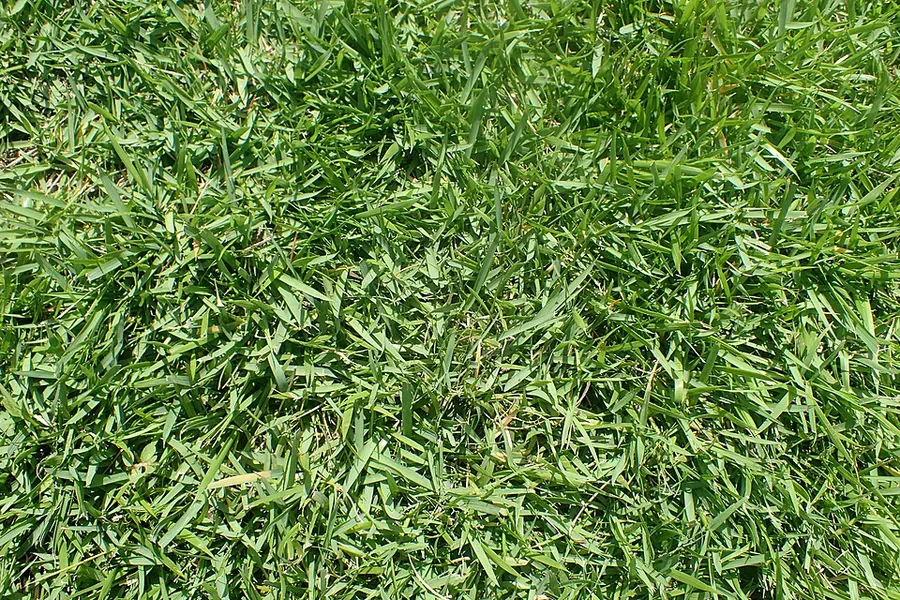
Zoysia is a warm-season lawn grass from East Asia, and it makes a soft, dense carpet that happily takes everyday foot traffic. It creeps outward on its own, sending stolons across the surface and rhizomes underground until it weaves a thick, weed-crowding mat. If you have dreamed of a hard-wearing lawn that shrugs off play and heat, this is a friendly grass to start with.
The one thing it asks of you is patience, and that is easy to give. Zoysia takes its time to settle in, sometimes two or more seasons to fill in from plugs or sprigs, and it fades to straw-brown and rests through winter before waking up in late spring. Once it feels at home, though, it needs very little water and stands up to wear, salt, and dry spells better than almost any lawn grass, so those early months of waiting pay off.
It feels comfortable across a wide swath of the country, holding on from the chilly edge of USDA zone 5 all the way down through zone 11. The most cold-hardy kinds belong to Zoysia japonica, while the finer-bladed types swap a bit of winter grit for a smoother, softer look.
Care
The short version: give it plenty of sun, mow it short with a sharp reel mower, and water deeply only when the blades begin to fold. Feed it lightly through summer, dethatch every year or two, and let it rest brown in winter without worrying, since it comes right back.
Light
Zoysia is happiest in full sun, and it thins out where shade is deep. The good news is it holds up in partial sun or light shade better than a lot of warm-season grasses, but the thickest, healthiest lawn always comes from the brightest spot you can offer it.
Water
Once it is established, zoysia is truly drought-tolerant, so you only water when it asks. Wait until the blades fold, wilt, or take on a blue-gray cast, then give it a deep drink of about 0.5 to 0.75 inches at a time. If a dry spell pushes it into summer dormancy, that is perfectly fine and a gentle way to save water.
Soil
It settles into most any ground as long as it drains well, whether that is loam or sandy soil. Aim for a pH of 6.0 to 6.5, just a touch acidic, and the grass will feel right at home.
Temperature
Being a warm-season grass, it loves heat and takes summer highs near 100°F (38°C) in stride. It rides out winter cold down to about 10°F (-12°C) by going dormant, and the hardiest strains handle the coldest spots the best.
Humidity
Everyday outdoor humidity is all this grass needs, so there is no number to chase here. What matters more is good airflow and turf that dries quickly, since damp, crowded conditions are what open the door to large patch disease.
Feeding
Feed it through the warm months, roughly May through August, with a moderate amount of nitrogen, about 2 to 4 pounds per 1,000 square feet a year spread across several light rounds. Ease off in fall, because heavy late nitrogen builds thatch and invites disease.
Pruning
Mow it short, around 1 to 2.5 inches (2.5 to 6 cm), and a sharp reel mower does the kindest job, since the tough blades quickly dull a rotary and lead to scalping. Dethatch every year or two whenever that spongy layer creeps past about half an inch.
Repotting
none
Size & spacing
As a mowed lawn the blades stay low, just 1 to 2 inches (3 to 6 cm) tall. Each plant reaches out wide on its runners, somewhere from 1 to 10 feet (30 cm to 3 m), which is the lovely reason a few plugs can eventually blanket a whole yard.
When to plant
Zoysia is a warm-season grass, so it likes to go in after the soil has warmed, and it spreads gently from there. You can lay sod, tuck in plugs, or scatter sprigs from late spring into early summer, and sow seed of Zoysia japonica from April through July. Whichever way you choose, give it two or more seasons to fill in fully, and try not to fret in the meantime.
Northern hemisphere
Southern hemisphere
Typical months for a temperate climate: start earlier in warm zones, later where spring frosts linger.
- Plant: Sod, plug, or sprig in late spring to early summer once soil is warm; seed (Z. japonica only) April-July
- Harvest: Inconspicuous spikelike seedheads in late spring to summer; grown for turf, not bloom
Hardiness
USDA hardiness zones: 5–11
Temperature: down to -29°C
Troubleshooting
Most worries with zoysia come down to its slow, easygoing pace and its winter rest rather than anything actually going wrong. Once you can tell normal dormancy and a slow fill-in apart from real trouble like thatch or large patch, a lot of needless worry melts away. Match what you are seeing below before you reach for any treatment, and know that most of it is recoverable.
Large brown circles of thinning turf in fall or spring
This is large patch, a Rhizoctonia fungus that flares up in cool, wet soil and feeds on extra nitrogen. The rings widen while soil sits around 65°F to 75°F (18°C to 24°C), and the outer leaves slip away with orange-brown rotted sheaths. Put down a labeled fungicide as soil cools toward 70°F (21°C) in fall, improve the drainage, cut back the thatch, and hold off on fall and early-spring nitrogen.
Fix:
- Apply a labeled fungicide preventively in fall when soil cools to about 70 degrees F
- Improve drainage and reduce thatch
- Avoid fall and early-spring nitrogen and over-watering
- Water early in the day so turf dries quickly
New plugs and sprigs that seem to take forever to knit together
This is just slow establishment, and it is normal for zoysia rather than any sign that you have failed. The grass spreads by runners at its own gentle pace, so plugs set too far apart or planted late simply leave the gaps open longer. Keep the new area watered and weeded, set plugs closer together or lay sod when you want quicker cover, and feed lightly through the season to nudge it along.
Fix:
- Be patient; keep newly planted area watered and weeded
- Space plugs closer (e.g. 6 in centers) or use sod for faster cover
- Control weeds while turf fills in
- Apply light, regular fertility during the growing season to speed spread
Spongy turf and heavy thatch that scalps when you mow
A thick layer of thatch gathers under zoysia's dense growth, and too much nitrogen only makes it pile up faster. Walk across spongy turf or mow it low after letting it grow tall, and the mower shaves off brown, scalped patches. The fix is a friendly one: dethatch every year or two, mow often with a sharp reel mower so you take only a third of the blade, and go a little easier on the fertilizer.
Fix:
- Dethatch with a vertical mower or power rake every year or two
- Mow regularly at the recommended height with a sharp reel mower
- Avoid excess nitrogen that drives thatch
- Keep mower blades sharp and mow frequently enough to remove only one-third of the leaf
A straw-brown lawn in fall that is slow to wake come spring
This is winter dormancy, the natural way a warm-season grass behaves once frost arrives, and there is nothing here to fix. The blades turn brown while the crowns and runners stay alive underneath, greening back up when the soil warms, and a cool spring just stretches the wait a little longer. Resist the urge to push it with fertilizer, and if patches stay brown and rot at the base into spring, gently check for large patch disease instead.
Fix:
- Expect dormant brown color from first frost until warm spring weather; no treatment needed
- Avoid heavy traffic on dormant turf
- Do not over-fertilize to force green-up; wait for warm soil
- If patches stay brown and rot at the base in spring, check for large patch disease
Toxicity
Here is some reassuring news for pet owners and parents: zoysia is just a plain lawn grass with nothing poisonous in it. Cats, dogs, horses, rabbits, livestock, and birds can all wander and nibble the blades without any harm. The only small thing worth mentioning is grass pollen, which can nudge hay fever in people who are already sensitive to it.
Safe for
People · Cats · Dogs · Horses · Rabbits · Livestock · Birds
Cats None
Perfectly safe to be around. A cat that chews a few blades might cough one back up now and then, but that is a hairball habit rather than any poisoning.
Dogs None
Nothing toxic here, so a dog can romp and graze across the lawn to its heart's content. An occasional bout of grass-eating and mild vomiting is normal and nothing to worry over.
Horses None
Turfgrass like this belongs among the ordinary forage horses graze all day, and it carries nothing harmful.
Rabbits None
Rabbits can nibble the blades with no worry at all, since the grass holds no harmful compound.
Livestock None
Cattle, goats, and sheep can graze the foliage safely, as it sits comfortably among the common pasture grasses.
Birds None
Backyard hens and wild birds can peck through the lawn freely, with no risk from the grass itself.
People None
The grass poses no poisoning risk to children or grown-ups. The only small catch is grass pollen, which can stir up hay fever in folks who are prone to it.
The grass itself is not poisonous. Grass pollen can trigger hay-fever allergies in sensitive people, and pets that nibble grass may occasionally vomit, but this is not a sign of poisoning. Rarely, grass awns can cause mechanical irritation.
Varieties
Zoysia comes in a handful of species and hybrids that trade off blade texture, shade tolerance, and cold hardiness. These are the ones you are most likely to meet when you go shopping for sod, plugs, or seed.
Zoysia japonica (e.g. Meyer, Zenith, Compadre)
This is the coarsest and most cold-hardy zoysia of the bunch, the only species you can buy as seed, and the parent of Meyer, the type once sold to homeowners as a miracle grass.
Zoysia matrella (manilagrass)
Its blade is finer and it copes with shade better than Z. japonica, though you will find it grows more slowly and does not shrug off cold quite as well.
Emerald (Z. japonica × Z. tenuifolia)
A fine-textured hybrid loved for its dense, good-looking turf, though it does not weather winter as comfortably as Meyer.
How to propagate
Zoysia is nearly always grown from living plant pieces rather than seed, and even where seed works it takes its sweet time. Here is how each path tends to go, so you know what to expect.
DivisionModerate
Late spring to early summer once soil is warm · 2 or more growing seasons to fully fill in
Nearly all zoysia is started from living pieces, and the hybrids can only be grown this way. Lay sod when you want the fastest cover, set plugs about 6 to 12 inches apart, or scatter sprigs in late spring once the soil has warmed. Whichever route you take, plan on two or more growing seasons before the lawn knits fully together, and trust that it will.
SeedModerate
April to July · Germinates in about 2-3 weeks, then 6-8+ weeks to establish; slow overall
Seed is only an option for Zoysia japonica, such as Zenith or Compadre. Sow anytime from April through July and look for germination in about 2 to 3 weeks, followed by another 6 to 8 weeks or more to take hold. A seeded stand fills in slower and patchier than sod, so it simply rewards a patient gardener.
Myths
Zoysia is a no-care miracle grass that stays green all year, never needs mowing, and smothers every weed overnight.
Zoysia really does make a fine, tough, drought-tolerant lawn, but that miracle billing oversells it by a mile. It can take two or more seasons to fill in from plugs, fades to straw-brown and dormant through winter, builds thatch, and still asks for mowing, feeding, and a little disease care. It is a wonderful grass, just not a hands-off one.