Tree · Sciadopityaceae
Japanese Umbrella Pine
Sciadopitys verticillata
A gentle living fossil with soft needles in easy whorls that asks for little more than your patience and steady moisture.
Full sun
Every 5–10 days
USDA 5–8
25–30 ft · 7.6–9.1 m
Overview
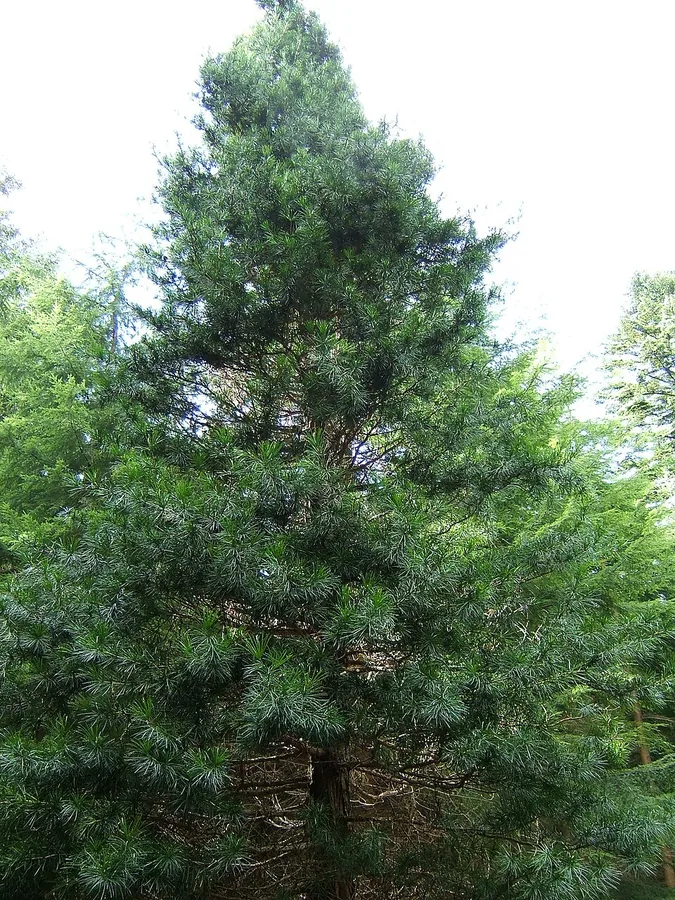
If you have room for a tree that takes its time, the Japanese umbrella pine makes a calm and forgiving companion. Its glossy needles gather into soft whorls that open like the ribs of a little parasol, which is how it came by its name. It looks like a pine, and yet it truly is not one. This gentle survivor is the only living member of its family, Sciadopityaceae, a quiet lineage whose roots stretch back more than 200 million years to the days of the dinosaurs.
Given time, it fills out into a snug, narrow pyramid, though there is no rush at all. Reaching its full 25 to 30 feet (7.5 to 9 m) can take decades, so you get to enjoy every gentle stage along the way. The needles are thick and soft to the touch, a rich green that stays lovely right through the year. It comes from the cool, misty mountain forests of Japan, where it has been loved for ages, and today it brings the same quiet charm to temple gardens and gardeners' beds in cooler regions everywhere.
This is a plant that rewards a patient heart. It tends to cost a bit more than other conifers, simply because nurseries wait years for it to grow big enough to sell, so a healthy specimen is worth cherishing. Settle it into rich, moist ground with a little shelter from biting wind, and it will reward you with steady, trouble-free company for many seasons, quietly finding its feet as the years go by.
Care
The short version: give it full sun to part shade, keep its rich, slightly acidic soil evenly moist, and tuck it somewhere sheltered from drying winter wind, and it will be content in zones 5 to 8.
Light
Aim for full sun to partial shade, and you really cannot go far wrong. In cooler areas it soaks up all-day sun happily, while in places with hot summers a bit of afternoon shade keeps the needles from scorching and spares the tree any stress.
Water
This tree likes its soil kept evenly moist, so plan to water every 5 to 10 days and give it a good deep soak during dry weather. It really does not cope with drought, so try not to let it dry out, especially while it is still young and settling in. A steady hand with the watering can goes a long way.
Soil
Plant it in rich, well-drained loam that leans slightly acidic, somewhere around a pH of 5.5 to 6.5. Good drainage really matters, because roots left sitting in soggy ground are the fastest way to lose an otherwise happy tree, so choose the spot with a little care.
Temperature
You will be glad to know it is wonderfully tough, comfortable anywhere from -20°F to 90°F (-29°C to 32°C), which covers zones 5 to 8. The cold on its own rarely troubles it. What truly does the harm is drying winter wind, so a sheltered spot matters more than the thermometer.
Humidity
Happily, there is no humidity target to fuss over here. Everyday outdoor air suits it just fine. Coming from damp mountain forests, it minds a hot, dry, exposed position far more than it ever minds moisture in the air.
Feeding
Feeding is refreshingly simple. One spring meal is plenty, using a balanced or acidic slow-release fertilizer made for evergreens. Keep the hand light, since this gentle slow grower has no need for a big push and prefers things easy.
Pruning
There is very little pruning to worry about, which is one more reason to relax. Simply trim away any dead or damaged branches and let the tree keep a single central leader. Late winter into early spring is the kindest time, since the cuts heal quickly as new growth wakes up.
Repotting
If yours lives in a container, plan to move it into a larger one every 2 to 3 years. Roots winding around the pot, roots peeking out of the drainage holes, or soil that dries out unusually fast are all friendly hints that your tree is ready for a roomier home.
Size & spacing
In time this tree can climb to 25 to 30 feet (7.5 to 9 m) tall and open out to 15 to 20 feet (4.6 to 6 m) across. It gets there slowly, but it helps to picture that full grown size now and leave it plenty of room, so the wide, gentle pyramid has space to fill in beautifully.
When to plant
There is no need to hurry this tree, but choosing the right moment to plant does help it settle happily. Aim for spring or early fall, when the soil is warm and rain comes easily, so those slow-growing roots get a whole gentle season to find their footing before summer heat or a hard freeze arrives.
Northern hemisphere
Southern hemisphere
Typical months for a temperate climate: start earlier in warm zones, later where spring frosts linger.
- Plant: Spring or early fall
- Harvest: May to June (inconspicuous)
Hardiness
USDA hardiness zones: 5–8
Temperature: down to -29°C
Troubleshooting
Take heart: this conifer draws no serious pests or diseases, so almost anything that goes wrong comes down to where and how it is planted. The needles are your best clue, and once you learn to read them the cause is usually easy to spot. Find the sign that matches your tree below, then ease its growing conditions and let it recover in its own time.
Yellowing, thinning needles and a slow loss of vigor
Most of the time, a tree that is fading and yellowing is telling you something about its roots. They may be sitting in wet, poorly drained soil, or they may be struggling in a hot, dry, exposed place. A little digging can turn up dark, soft roots where the drainage let you down. The kind news is that the fix is simple: open up the drainage, spread mulch to hold gentle, even moisture, and add some afternoon shade if your summers run hot.
Fix:
- Improve drainage and avoid waterlogging
- Provide afternoon shade in hot-summer regions
- Maintain even soil moisture and mulch the root zone
Needles going brown or bronze through the winter
Try not to worry if this shows up, because it is almost always winter burn and not a sign your tree is failing. When icy wind draws moisture from the needles faster than the frozen roots can send more up, the wind-facing or sunny side takes on a brown, bronzed cast. Fresh green growth pushes right back through in spring. To spare it next time, offer a windbreak, water the ground well before it freezes, or pick a color-steady cultivar such as Wintergreen.
Fix:
- Shelter the plant from harsh winter winds with a barrier or screen
- Water thoroughly before the ground freezes
- Choose a winter-color-stable cultivar such as Wintergreen
Toxicity
If you share your home with animals, you can breathe easy here. The Japanese umbrella pine is a genuinely gentle tree that carries no known poisons and turns up on no toxic-plant lists, even though it can look a little like the dangerous yews. Cats, dogs, horses, and grazing livestock are all welcome to share the garden with it and come to no harm.
Safe for
People · Cats · Dogs · Horses · Rabbits · Livestock · Birds
Cats None
Perfectly safe around cats. Even a curious kitty that chews on a needle will not be poisoned, and the stiff, resinous foliage seldom appeals to them in the first place.
Dogs None
Nothing here can poison a dog. One that gnaws a fallen branch might get a little passing tummy upset from the rough bits, but that is all.
Horses Safe
Safe for horses, with none of the dangerous toxins carried by true yews or the other risky conifers.
Rabbits Safe
No poisoning worries for rabbits either. They usually leave the tough, leathery needles alone and reach for softer greens instead.
Livestock Safe
Grazing cattle, goats, and sheep can browse the foliage with no toxic danger at all.
Birds Safe
Completely harmless to birds, which are welcome to nest and shelter among the dense, whorled branches in safety.
People Safe
Safe for people too. It is grown for its looks rather than for eating, so there is no edible part to go looking for, and simply handling it carries no risk.
No special handling precautions for toxicity; an outdoor landscape conifer rather than a houseplant.
Varieties
Most of the umbrella pines you will find are the plain species, and it is a lovely tree just as it is. Even so, a few named cultivars are worth hunting down if you would like richer winter color, a slimmer shape, or a smaller size that suits a cozy garden.
Wintergreen
This one keeps its deep, glossy green all winter long, just when most others fade to bronze in the cold.
Joe Kozey
A slim, upright column whose strong branches carry heavy snow without complaint.
Sternschnuppe
A strong grower dressed in long, glossy deep-green needles on a wide, welcoming pyramid.
Mr. Happy
A little dwarf that happily settles into a rock garden or a pot where the full-size tree could never go.
Picola
A slow, sweet dwarf that rounds itself into a neat little globe, perfect for tight corners.
How to propagate
Making more of this tree asks for patience rather than any special skill. Both methods move at their own slow pace and suit anyone content to wait a few years for results, which is a big part of why the plant carries a higher price.
SeedDemanding
Sow when cones ripen; seed is slow and germination can be erratic · Several years; extremely slow early growth
Growing from seed is a lesson in patience, though a rewarding one. The cones take a leisurely 18 to 20 months to ripen before you can gather seed, and sprouting comes unevenly. Young seedlings inch along too, often standing just 4 to 5 feet tall after their first 10 years, so a gentle, unhurried spirit helps here.
Stem cuttingsDemanding
Take cuttings from semi-hardwood growth · Months to root; slow to develop
Cuttings taken from semi-hardwood growth ask for patience too, rooting over months instead of weeks. This is the friendly, dependable route for named cultivars, since it keeps the parent tree's exact shape that seed would happily scramble.
Myths
The Japanese umbrella pine must be a real pine.
It is easy to assume so, since it looks the part and wears the name, yet it is not a pine at all. This tree is the last living member of its very own family, Sciadopityaceae, an old and quiet lineage that branched away long before the true pines ever appeared. For all its pine-like looks, it has no close cousins among the pines whatsoever.