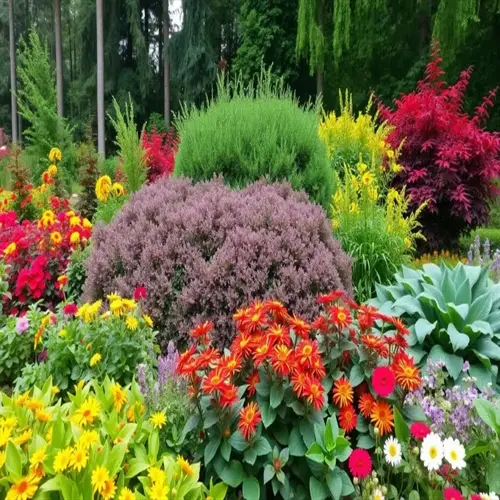

The plants come back year after year that you can count on most are hostas, daylilies, and peonies. You should also consider coneflowers and black-eyed Susans. These perennials return from your garden soil each spring without replanting. Once you put them in the ground, they show up on their own for years or decades.
I planted daylilies along my back fence nine years ago and they haven't missed a single season. They started as bare root divisions from a neighbor and bloomed that first summer. Those five clumps have grown into fifteen or more. My peonies are going on year seven and they give me more blooms each spring. I also put in black-eyed Susans by my mailbox six years back. They come back every June with zero help from me. These plants don't need your constant attention to thrive.
Why are some perennials that return every year more dependable than others? You can trace it to three factors. First, deep root systems anchor your plant and protect it from temperature swings at the soil surface. Second, cold hardiness matched to your zone means the roots handle your worst winter. Third, disease resistance keeps your plant healthy so it doesn't weaken after a few seasons. You want varieties that score high on all three traits.
Hostas
- Your hardiness zones: Grow well in zones 3 through 8 and handle cold winters without any special protection from you.
- Why you can count on them: Big root systems store plenty of energy for spring regrowth and your clumps expand every year.
- Best conditions for you: Part shade to full shade with moist soil gives you the biggest leaves and strongest returns.
Daylilies
- Your hardiness zones: Thrive across zones 3 through 10, making them one of the most adaptable options for your garden.
- Why you can count on them: Thick tuberous roots survive drought and poor soil while still giving you blooms each summer.
- Best conditions for you: Full sun with average soil rewards you with hundreds of flowers over your blooming season.
Peonies
- Your hardiness zones: Perform best in zones 3 through 8 and need winter chill to trigger your spring blooming.
- Why you can count on them: Your plants can bloom for 50 or more years in the same spot with minimal care.
- Best conditions for you: Full sun and well-drained soil with eyes planted no more than 2 inches below your surface.
Coneflowers and Black-Eyed Susans
- Your hardiness zones: Both cover zones 3 through 9 and tolerate your heat, humidity, and cold with equal ease.
- Why you can count on them: Native plants with deep taproots that evolved to survive harsh weather you throw at them.
- Best conditions for you: Full sun and average to dry soil works best since they don't like wet feet in your winter.
What separates reliable returning garden plants from flops in your yard? Zone matching. If you put a perennial rated for zones 6 through 9 in your zone 4 garden, it won't make it. The roots freeze past their limit and die for good. Always check the zone rating on the tag before you buy. Match it to your USDA zone and you'll save yourself a lot of wasted cash. In my experience, zone mismatches cause more plant deaths than any other mistake you can make.
Start your garden with 3 to 5 proven varieties from the list above that match your zone. Give them the right light and soil. Let them settle in for one full season. By your second year, you'll see stronger growth and better blooms from your plants. By year three, you'll have clumps big enough to divide and share with your neighbors. You invest once and your garden keeps giving back every single spring.
Read the full article: Perennial Plants: Growing Guide for Every Zone