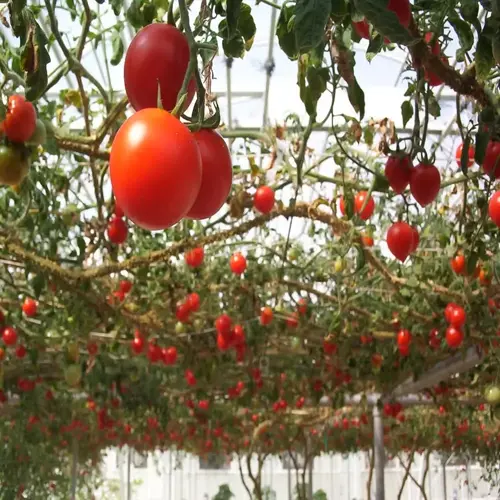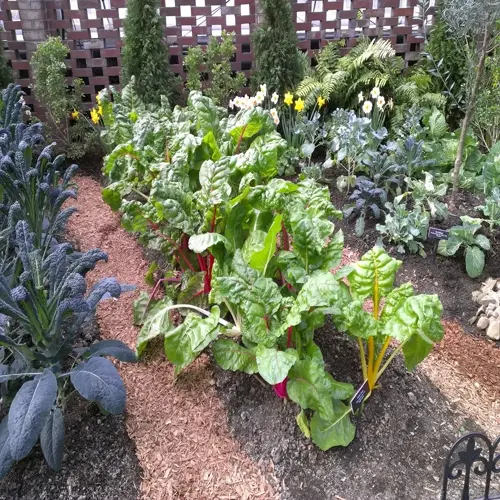

The best natural fertilizer for tomatoes depends on what growth stage your plants have reached. Compost works great at planting time. Fish emulsion shines during active growth. Aged manure adds long-term soil health. Each plays a role in growing heavy yields without synthetic chemicals.
I've tried many organic tomato fertilizer types in my own garden. Compost alone made solid plants with good fruit size but yields stayed modest. Fish emulsion during summer raised my harvest by 25% over compost-only beds.
My best results came from combining all three methods at the right times. Compost goes in the hole at planting. Fish emulsion feeds plants every few weeks through summer. Aged manure gets worked into beds each fall to build soil for the next year.
Compost for tomatoes gives your plants a slow release of nutrients plus better soil structure. The organic matter holds water during dry spells and drains well after heavy rain. Work 2 to 3 inches into the top layer of your bed before planting, plus a handful in each hole.
Fish emulsion tomatoes respond to this liquid feed with a burst of green growth and heavy flower production. The product smells bad but your plants love it. Dilute it according to the label and pour it around the base of each plant every 2 to 3 weeks during active growth.
Garden Betty and other organic growers point to fish heads and scraps as an old-school fertilizer that still works today. Fish products provide nitrogen that plants need for leafy growth. They also contain trace minerals like calcium and phosphorus that support root and fruit development.
Balance matters most when feeding tomatoes. Too much nitrogen makes plants grow tall and bushy with lots of leaves but few tomatoes. This happens when you use fresh manure or apply fish emulsion too often late in the season.
Cut back on nitrogen feeds once your plants start flowering. At this stage, tomatoes need more phosphorus and potassium to set fruit and ripen it. Switch to a balanced organic fertilizer or stop feeding until you see heavy fruit set.
At Planting Time
- Add compost: Mix 2 to 3 inches of finished compost into your bed before setting out transplants.
- Boost the hole: Put a handful of compost plus a quarter cup of bone meal in each planting hole.
- Water well: Soak the root zone after planting to help roots find the nutrients you added.
During Active Growth
- Fish emulsion feeds: Apply diluted fish emulsion every 2 to 3 weeks from transplant until flowers appear.
- Watch the leaves: Dark green, healthy foliage means your plants have enough nitrogen for now.
- Foliar option: Spray diluted fish emulsion on leaves early in the morning for faster uptake.
After Flowering Begins
- Cut back nitrogen: Stop fish emulsion and switch to low-nitrogen feeds that support fruit production.
- Add potassium: Banana peels or wood ash provide potassium that helps fruit ripen fully.
- Keep watering steady: Even moisture matters more than extra feeding once fruit starts forming.
I made the mistake of feeding fish emulsion right through harvest my first year. The plants grew 7 feet tall with tiny tomatoes that never ripened right. Cutting off nitrogen at flowering fixed that problem the next season.
Natural fertilizers take more planning than synthetic options, but your soil and plants benefit in the long run. Build your soil health each year with compost and aged manure. Feed during the season with fish emulsion. Your tomatoes will reward you with flavor that store-bought fruit cannot match.
Read the full article: How to Grow Tomatoes: Essential Steps for Success