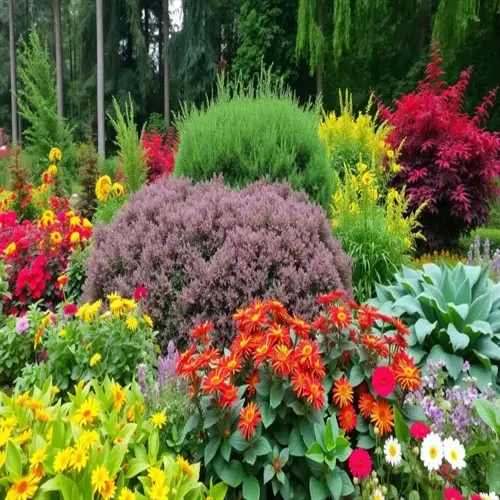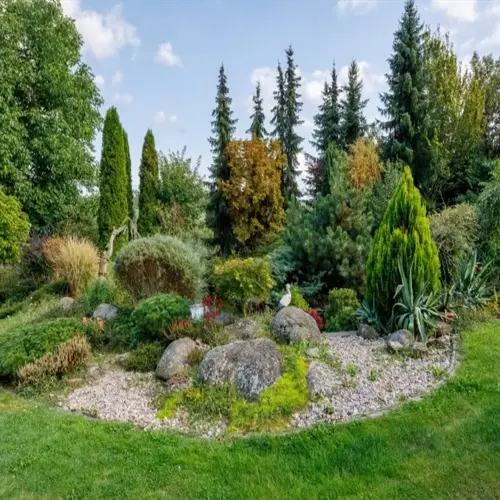

The type of plant perennial covers a much wider range than most people think. They include flowers and grasses. They also include shrubs and some vegetables like asparagus. Any plant that lives more than two seasons and returns from its roots qualifies. This makes perennials one of the broadest plant groups you can grow in your garden.
I grow several perennial plant types in my backyard and the contrasts surprise visitors. My hostas vanish to bare soil by November. Not a single leaf stays above ground. The hellebores right next to them hold their dark green leaves through the coldest months. They even bloom in February before anything else wakes up. My lavender bushes along the path keep their woody stems all year with just the soft tips going brown. Same yard, same perennial label, but three very different looks.
These differences come from how each type handles winter. Herbaceous perennials die back to the ground each fall. All their life retreats into roots below the soil. Evergreen perennials keep their leaves through winter and give your garden green structure in January. Woody perennials build permanent stems above ground, much like shrubs. The herbaceous perennials vs woody perennials gap matters most when you plan for winter looks.
Herbaceous Perennials
- Winter behavior: Die to the ground each fall and regrow from roots in spring, leaving bare soil during dormancy.
- Common examples: Hostas, daylilies, coneflowers, and peonies all belong here and thrive in zones 3 through 8.
- Best for: Cold climate gardens where plants need full dormancy to survive harsh winters without stem damage.
Evergreen Perennials
- Winter behavior: Hold their foliage through cold months and provide year-round color and texture in your beds.
- Common examples: Hellebores, heuchera, and bergenia keep leaves all winter and some bloom before spring arrives.
- Best for: Gardens that need visual interest in winter when most other plants have gone dormant underground.
Woody Perennials
- Winter behavior: Keep permanent stems and branches above ground that develop bark and grow thicker over time.
- Common examples: Lavender, rosemary, and Russian sage blur the line between perennials and true shrubs in beds.
- Best for: Creating permanent garden anchors that define the shape of your beds in every season of the year.
Hardy vs Tender Perennials
- Hardy perennials: Survive freezing winters outdoors and return each spring without any special protection needed.
- Half-hardy perennials: Handle light frost but may die in severe cold and often need heavy mulch in cold zones.
- Tender perennials: Cannot survive frost at all and must come indoors for winter or be treated as annuals.
BBC Gardeners' World sorts perennials into these groups so you can match plants to your conditions. A hardy hosta works in almost any cold zone garden. A tender dahlia needs digging up and storing indoors each fall in zones below 8. Knowing your category saves you from losing plants to weather they can't handle.
Pick your perennial types based on what your garden needs most. Fill beds with herbaceous types for big seasonal color in colder zones. Add evergreen types so your beds look good in winter too. Use woody perennials as anchors that shape your layout for years. I mix all three types in my borders and always have something worth looking at, no matter what month it is.
Read the full article: Perennial Plants: Growing Guide for Every Zone