
Almost all plants benefit from worm castings, but heavy feeders win the most. Tomatoes, peppers, and squash show the strongest response. These hungry crops thrive on the slow-release nutrients and growth hormones in each handful. Lighter feeders gain from castings too, just at a smaller scale.
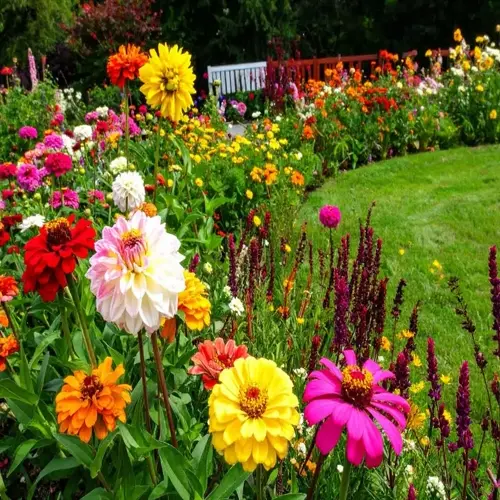
I tested castings across my full garden last season. My tomatoes grew 30% taller than the group I fed with plain compost. The herbs went wild too. Basil and cilantro put out so many leaves I couldn't use them fast enough. Marigolds and zinnias bloomed earlier and held their color longer through summer heat. My indoor ferns and pothos showed darker, glossier leaves within a month of their first top dressing.
Heavy feeders respond well because castings hold more than basic NPK. Worm castings for vegetables carry special growth boosters called auxins. These are natural hormones that push roots deeper and stems thicker. Standard compost doesn't have these hormones at all. Tomatoes and squash burn through food fast while fruiting. The slow-release nature of castings feeds them week after week without the crash that liquid foods cause. You get steady growth rather than a quick spike followed by a slump.
Vegetables and Herbs
- Growth boost: Tomatoes, peppers, and leafy greens show 25-30% more yield in beds with castings mixed in.
- How much: Mix at 30-50% of soil volume for transplants or top dress with a 0.5 inch layer every two months.
- Best results: Feed heavy producers at the higher end since they use up nutrients faster than other crops.
Flowers and Shrubs
- Bloom quality: Annual flowers make more blooms and hold their color longer in casting-fed beds.
- How much: A 0.25 inch top dressing every 2-3 months feeds flowers well without risk of root burn.
- Best picks: Roses and hydrangeas do great with spring and fall doses that fuel root growth.
Indoor and Tropical Plants
- Indoor boost: Worm castings houseplants like pothos and ferns grow darker leaves and stronger roots within weeks.
- How much: Add 1 square inch of castings per 2-3 inches of plant height to the soil surface every two months.
- Watch out: Succulents and cacti need half the normal rate or less due to their slow growth speed.
UC Santa Barbara notes that succulents and cacti need far less than other plants. They grow at a fraction of the speed. I learned this when I gave my jade plant the same dose I use on tomatoes. The soil stayed too rich and the roots sat in moisture too long. Cut the rate in half for any slow grower and you'll skip that mistake.
Match your amounts to how fast each plant grows and how much it produces. Fruiting crops get the most castings. Flowers get a mid-range dose. Slow growers get the least. Start low for any new plant and bump it up as you watch the response. Your plants will show you what they need through leaf color, growth speed, and overall health across the season. When I first started, I used the same amount on every plant. Now I adjust for each type and my results are much better for it.
Read the full article: 7 Proven Benefits of Worm Castings