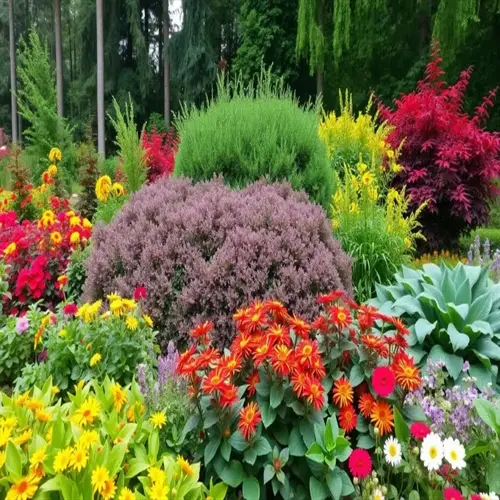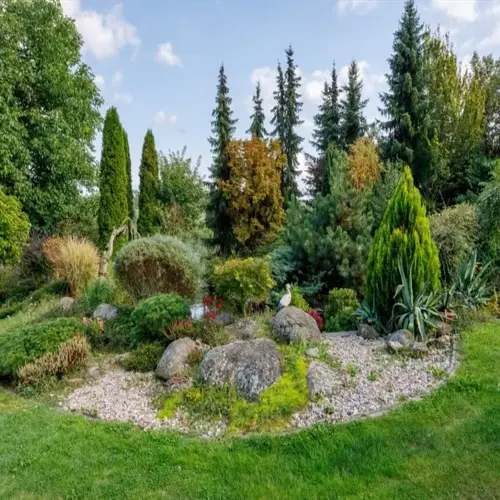

The meaning of perennial plant is simple. It's a plant that lives for more than two growing seasons and returns from the same roots year after year. The roots and crowns survive winter underground while the top growth dies back. New shoots push up each spring without replanting. This sets perennials apart from annuals that finish their whole life cycle in just one season.
The perennial plant definition traces back to Latin. The word perennis means "through the years" and fits these plants well. A petunia dies after one summer. A biennial like foxglove takes two years before it's done. But a perennial keeps going season after season from the same roots you planted the first time.
I've watched the same hosta clumps in my side garden come back larger and stronger for eight straight years now. Each spring, those green shoots push up through the mulch right on schedule. The clumps that started as single plants have tripled in size and I've divided them twice to fill other spots around the yard. Seeing that kind of growth from a one-time purchase still impresses me.
The biology behind this works through a clever survival strategy. When cold weather hits, the above-ground leaves and stems die back to the soil line. But below the surface, the root system and crown stay alive in a dormant state. These underground parts store energy and nutrients all winter long. Once soil temperatures rise in spring, that stored energy fuels new shoots and leaves without any help from you.
Not all perennials last the same number of years, though. Penn State Extension says some last just 3 years while others go on for decades. Short-lived ones like columbine give you 3 to 5 good years. Long-lived peonies can bloom in the same spot for 50 years or more with minimal care. What you plant and how you treat it makes all the difference.
Short Lived Perennials
- Typical lifespan: These plants last about 3 to 5 years before they weaken and need replacing in your garden beds.
- Common examples: Columbine, lupins, and delphiniums fall into this category and often self-seed to create new plants nearby.
- Best strategy: Let them scatter seeds around the garden so new plants replace the old ones without any extra cost to you.
Medium Lived Perennials
- Typical lifespan: These varieties persist for 5 to 15 years and often improve with age as their root systems expand.
- Common examples: Daylilies, hostas, and coneflowers give you years of strong growth with minimal effort on your part.
- Best strategy: Divide clumps every 3 to 5 years to keep them vigorous and spread them to new areas of the garden.
Long Lived Perennials
- Typical lifespan: These tough plants survive for 20 to 50 or more years and become permanent garden fixtures over time.
- Common examples: Peonies, irises, and some ornamental grasses can outlast the gardener who first planted them decades ago.
- Best strategy: Choose their planting spot with care since these plants will occupy that ground for a very long time.
Knowing that a plant is perennial changes how you plan your garden. You can spend more on a single perennial because it pays you back over many seasons instead of just one. Place them where they'll have room to grow for years since you won't move them often. Match them to your USDA hardiness zone so the roots survive your winters without trouble.
So what does perennial mean in gardening? It means you're making a long-term investment in your landscape. Every perennial you plant is a spot that won't need replanting next spring. That saves you time, money, and effort each year. Your garden fills in and matures into something that looks better with each passing season.
Read the full article: Perennial Plants: Growing Guide for Every Zone