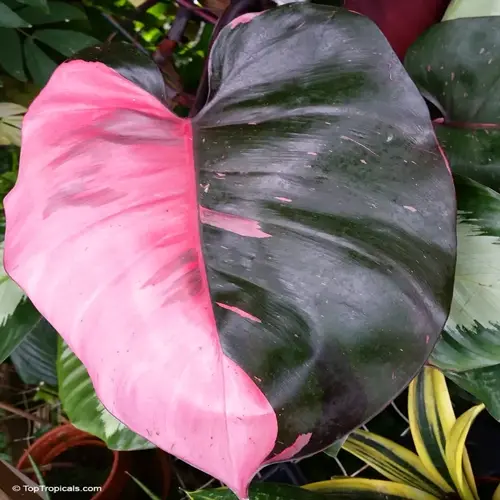

A rubber tree indoor plant is one of your best picks for growing inside your home. You get big glossy leaves and easy care without needing a green thumb or any special tools.
I've grown fiddle leaf figs, monsteras, and rubber trees side by side for four years now. The Ficus elastica houseplant beats them every time for toughness. My fiddle leaf fig dropped half its leaves after I moved it just three feet to the left. My monstera needs constant humidity or the leaf tips turn brown. The rubber tree sits there looking great through it all.
When I first started with houseplants, I forgot to water my rubber tree for two full weeks during a busy stretch at work. It showed zero signs of stress when I came back to it. That moment sold me on the Ficus elastica houseplant as a go-to for busy people. Try skipping water on a fern for that long and you'll come home to a crispy brown mess.
Your rubber tree can handle lower light better than most tropical plants too. The leaves shift their angle to catch more of the light around them. The plant also builds up more chlorophyll in dim spots. That's why a rubber tree in a dark corner often looks deeper green than one in bright light. The Clemson Extension notes that these plants adapt to lower light. They do best with morning sun from an east-facing window.
You can expect your rubber tree to reach 6 to 10 feet (1.8 to 3 meters) tall indoors over time. That height makes it a great statement plant for a living room corner. You can also keep it compact with regular pruning. Cut the top when it hits your target height. The plant will branch out to the sides instead of growing taller. This gives you full control over its size.
Starting your rubber plant indoors takes very little effort or cash. Give it a pot with drainage holes about 2 inches wider than the root ball. Water it when the top inch of soil feels dry. In most homes that means about once every 7 to 10 days in summer and every two weeks in winter. Set it near a window that gets morning sun and you're all set.
You can skip the misting routine that some care guides push on you. Your rubber tree handles normal home humidity just fine. A simple wipe of the leaves with a damp cloth once a month keeps them shiny and clean. This lets the plant absorb light better through those big leaf surfaces.
You should also think about temperature. Your rubber tree likes things warm, between 60-80°F (16-27°C) year-round. Most homes stay in that range without any extra work from you. Just keep your plant away from cold drafts near doors and windows during winter. Cold air hitting the leaves can cause brown spots and leaf drop within days.
Feeding your rubber tree is simple too. You only need to fertilize every two weeks during spring and summer. Use a basic liquid houseplant food at half strength. Stop feeding in fall and winter when your plant slows down its growth. You don't want extra nutrients sitting in the soil with nowhere to go.
Your rubber plant indoors won't ask much from you at all. It forgives missed waterings and handles dim spots. It grows at a steady pace that keeps things fun and fresh. That's what makes this plant such a great pick for you if you're new to plants or tired of fussy species.
Read the full article: Rubber Tree Care and Growing Guide