
When you start seeds indoors for beginners, the process takes less effort than most people expect. You need just four basic supplies and about ten minutes of daily care. This beginner seed starting guide covers each step without jargon or complex methods that confuse newcomers.
My first attempt at indoor seed starting ended with moldy soil and dead sprouts everywhere. I watered every single day because I thought seeds needed constant moisture. That mistake taught me the most important lesson: seedlings hate soggy soil. Once I learned to water only when the surface dried out, my success rate jumped from 20% to over 80% on most crops.
Gather your supplies before planting day arrives. You need containers with drainage holes, seed starting mix, a light source, and a warm spot. Cell trays from garden centers work great for most seeds. Seed starting mix differs from potting soil because it drains faster. It contains no large chunks that block tiny roots from growing down into the soil.
Light matters more than most beginners realize at first. A sunny south-facing window can work for some crops. Most seedlings grow stronger under shop lights hung 2 to 4 inches above the plants. Run your lights for 14 to 16 hours each day and your seedlings will stay compact. Without enough light they stretch toward weak rays and grow leggy.
Pick crops that forgive beginner mistakes along the way. Tomatoes bounce back from problems like uneven watering or cool nights. Marigolds sprout fast and grow with minimal fuss from you. Peppers take longer but handle rough conditions well. These easy indoor seed starting picks build your skills before you tackle harder plants like petunias or lisianthus.
Keep your first year simple with just three to five varieties total. A dozen different plants sounds fun until you juggle different timing and light needs for each one. Master the basics with a small batch of seeds first. Next year you can expand once you know how seeds behave in your space and growing setup at home.
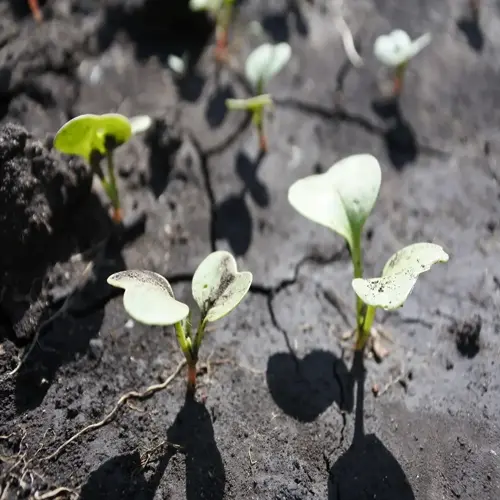
Check your seedlings each morning and evening during the first two weeks after planting. Look for sprouting seeds that need their covers removed right away. Watch for dry soil that needs a gentle drink of water. Notice any leggy stems that signal weak light above them. This daily hands-on attention teaches you more than any guide can explain in words.
Read the full article: When to Start Seeds Indoors: Ultimate Guide