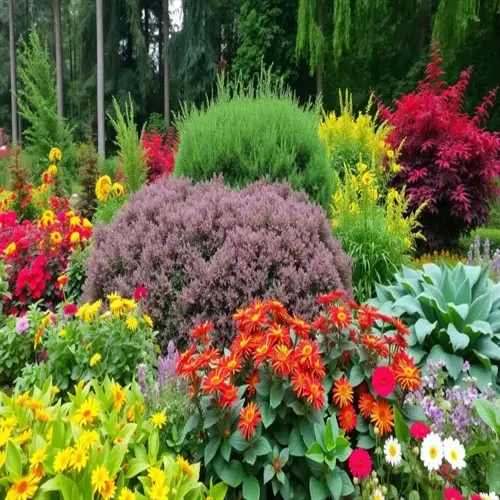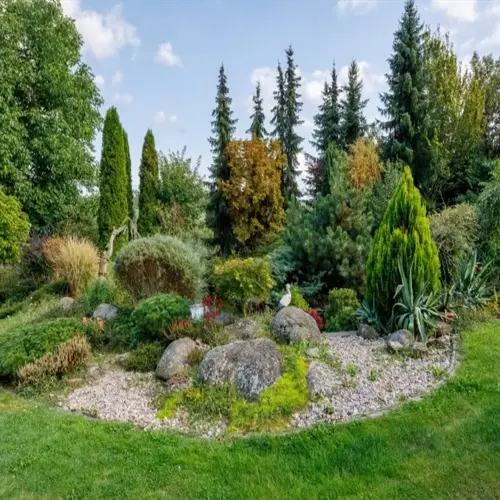

If you're asking how many years perennial plant varieties last, the answer depends on the species. Penn State Extension puts the range at 3 years to several decades. Some fade out after a few seasons. Others outlast the person who planted them. Your choice of variety has the biggest impact on how long your plant sticks around in your garden.
I've tracked both ends of this range in my own yard. My columbines gave me 3 good years of blooms before the parent plants weakened and died off. They scattered seeds that grew into new plants, but the originals were done. My peonies tell a different story. They're going on year seven and getting stronger each season. The couple who owned my house before me also planted peonies in the backyard. Those are still blooming after more than 20 years in the same spot.
Your perennial plant lifespan depends on a few key factors. Your species picks the upper limit. Your growing conditions decide if your plant reaches that limit. Planting depth matters too. Crowns set too deep can rot. Crowns planted too high freeze in winter. Most perennials die from soggy roots during dormancy, not from cold. Good soil drainage is the biggest factor in keeping your perennials alive for years.
How long do perennials live when you give them proper care? Much longer than when you ignore them. A hosta in good soil with the right moisture can last 30 or more years for you. That same hosta in compacted clay might die within 5 years. The gap between what your plant could last and what it does last comes down to how you treat it.
You can extend your perennials' lives by dividing them on schedule. Colorado State Extension says you should divide crowded clumps every 3 to 5 years to refresh old root systems. When your perennial sits too long without division, the center of the clump dies out. Growth pushes to the edges and forms a ring. Dividing brings fresh energy back and often gives you several new plants from one old clump for free.
I divide my daylilies every four years and it makes a huge difference. The clumps that I split always bounce back with stronger blooms the next season. The ones I've ignored too long start looking thin in the center. Division takes about ten minutes per clump and you end up with two or three new plants each time. It's the best free way to keep your garden looking fresh.
Plan your garden with lifespan in mind. Put long-lived plants like peonies and hostas in permanent spots where they can settle in for decades. Use short-lived types like columbine as fillers that self-seed and replace themselves. This mix gives you a garden that stays full and beautiful for years. You won't face the headache of replanting your entire bed every few seasons.
Track when you planted each perennial so you know what to expect. Short-lived varieties need replacing every few years. Medium-lived types need dividing to stay vigorous. Long-lived ones just need the right spot and decent soil to reward you for decades. Knowing these timelines helps you budget your time and money wisely across your whole garden.
Read the full article: Perennial Plants: Growing Guide for Every Zone