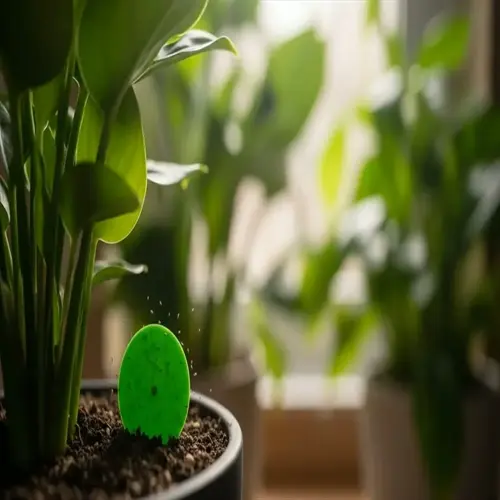

Yes, rubber plants sunlight needs are moderate but consistent. They prefer 6 to 8 hours of bright indirect sunlight each day to grow strong and produce those thick, glossy leaves everyone loves. Direct afternoon sun will scorch the foliage, but too little light makes the plant leggy and weak.
Your rubber plant light requirements come from how these plants grow in the wild. They sit under tall tree canopies in Southeast Asian forests where sunlight is filtered and soft. You want to copy those same conditions at home by placing your plant near a bright window with indirect rays coming through.
I tested this myself by placing four rubber plants in different windows around my apartment for six months. The east-facing window plant grew three new leaves per month and stayed compact with deep green color. My north-facing window plant barely pushed out one leaf every two months. It started leaning hard toward the glass. The south-facing plant got sunburned within weeks until I added a sheer curtain.
Light intensity for plants is measured in foot candles, and this number matters more than most people think. Clemson University data shows rubber plants need 200 to 500 foot candles for healthy growth. The bare minimum sits around 75 to 100 foot candles, but growth slows down a lot at that level. A bright indirect light rubber plant placement near an east or filtered south window hits that sweet spot without any fuss.
Variegated Types Like Tineke
- Foot candles needed: 400 or higher because the white and cream portions of the leaves contain less chlorophyll for making energy from light.
- Best window: East-facing or filtered south-facing window where they get strong morning light without harsh afternoon exposure.
- Warning signs: Variegation fades to solid green if light drops too low, which means the plant is compensating to survive.
Dark Cultivars Like Burgundy
- Foot candles needed: 100 to 200 foot candles works fine since their dark leaves absorb light more efficiently than lighter varieties.
- Best window: North-facing or east-facing windows provide enough light for steady growth without risk of burning the leaves.
- Tolerance level: These are the most forgiving rubber plants for lower light conditions and still maintain their deep color.
Standard Green Robusta
- Foot candles needed: 150 to 300 foot candles keeps this classic variety growing at a healthy pace with full-sized leaves.
- Best window: Works well in most window orientations except direct south exposure without a curtain or some form of shade.
- Growth rate: Produces about 2 to 3 new leaves per month in proper light conditions during the growing season.
You can measure your home's light levels with a free light meter app on your phone. Hold the phone where your plant sits and check the reading at midday. It takes about 30 seconds and tells you if your rubber plants sunlight is on track. I check mine every time I move a plant to a new spot around my home.
Rotate your rubber plant a quarter turn every two to three weeks so all sides get even light exposure. Without rotation, the plant grows lopsided as it leans toward the brightest source. This simple habit keeps the trunk straight and the leaf coverage balanced on every side.
Keep your rubber plant away from cold drafts near windows during winter months. The glass gets cold at night and can chill the leaves if they press against it. Pull the pot back about 6 inches from the window pane in colder months to protect the foliage while still giving it plenty of light.
Getting your rubber plants sunlight dialed in is the single biggest factor in keeping them alive and thriving indoors. Place yours near the right window, check your foot candles with an app, and rotate on a schedule. Do these three things and your plant will reward you with steady, healthy growth for years to come.
Read the full article: Rubber Plant Care and Growing Guide