
Spreading topsoil over clay without mixing creates more problems than it solves in most cases. Your two soil types have very different textures that do not work well together. Water pools at the line where they meet instead of draining through. Your plants end up sitting in soggy ground even when your surface looks dry.
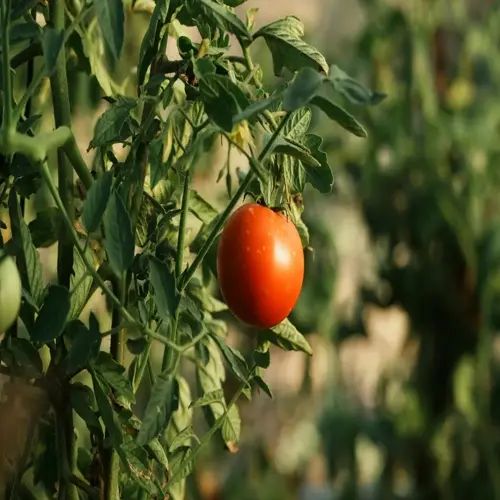
I tried to add soil on top of clay in my first garden and learned this lesson the hard way. My tomato roots grew down into the new topsoil just fine at first. But when they hit the clay layer, they stopped cold and started circling sideways. My plants stayed small all season long and never gave me much fruit at all.
Your soil science books call this problem a perched water table and you need to know how it hurts your plants. Water moves down through your loose topsoil pretty fast. Then it hits your dense clay that drains very slow. The water backs up at that boundary line between the two layers in your garden bed.
Layering topsoil clay causes root issues beyond just the drainage problems you see on the surface. Your plant roots sense the texture change and often refuse to cross it. They grow sideways along the boundary instead of pushing down into your native soil. You end up with short weak roots that dry out fast in hot weather and blow over in strong wind.
A friend of mine lost a whole row of fruit trees to this same mistake a few years back in her yard. She dumped six inches of nice garden soil into the planting holes around each tree. Her trees looked great for two years as their roots spread through the good soil she added. Then one wet spring they all died from root rot at the clay line below.
The better approach for you is to blend new topsoil into your existing clay rather than layer it on top. Till or dig your two soils together so you get a gradual change in texture. This mixing creates a pathway for water and roots to move between the layers without hitting a hard boundary that stops them.
For your garden beds, work about 4 to 6 inches of topsoil into the top 8 to 12 inches of your native clay. Use your rototiller or just turn it by hand with a spade over a few weekends. Your goal is a smooth shift between soil types rather than two distinct layers sitting on top of each other.
Deep raised beds offer you another good option if you do not want to amend your native clay at all. Build walls at least 12 inches tall and fill them with good soil mix. The depth gives your roots enough room to grow without ever needing to reach the clay below. Your water drains sideways through the bed walls instead of pooling.
I built my best vegetable beds using the raised bed method after my first topsoil failure. Three years later those beds grow better crops than any amended ground I have tried. My plants never hit clay and the soil stays loose and dark without yearly tilling or mixing work on my part.
Skip the quick fix of dumping topsoil on your clay if you want plants that thrive for years to come. Take your time to blend your soils together or build raised beds deep enough to bypass the problem. Your garden will reward you with stronger plants and fewer drainage headaches down the road.
Read the full article: How to Improve Clay Soil: Essential Steps