
Introduction
The calathea plant has a reputation for being fussy, and that reputation is not wrong. These tropical beauties demand more from you than a pothos or snake plant ever will. But once you get the basics right, a calathea rewards you with some of the most stunning foliage of any indoor plant you can own.
I grew my first calathea about 6 years ago and killed it within 2 months. The leaves turned crispy, curled up, and dropped off one by one. That failure taught me more about calathea care than any article I had read at the time. Since then I have kept over a dozen varieties alive and thriving through every season.
Most care guides tell you to give your calathea "bright indirect light" without explaining why. Peer reviewed research from Nguyen et al. shows these are true shade plants with light saturation at just 400 to 600 micromoles per square meter per second. That science matters because it changes how you think about placing your prayer plant at home. This guide pairs that kind of research with Brooklyn Botanic Garden expertise to give you care advice you can trust.
Caring for a calathea is like hosting a tropical houseplant guest in your home. Get the humidity, water, and light right and your plant will reward you with vibrant leaves for decades. Below you will learn how to pick the right variety and set up the best spot. You will also find tips to keep your calathea looking great all year long.
8 Popular Calathea Varieties
Scientists moved about 200 species from Calathea to a new genus called Goeppertia back in 2012. Around 60 species still carry the true Calathea name. But plant shops sell all of them under "calathea" because that is what you search for. I have grown most of these calathea types and sorted them by difficulty level so you can find the right match.
You can think of these as a difficulty ladder for your collection. Start with the calathea rattlesnake at the bottom and build your skills toward the calathea white fusion at the top. I tested these 8 over the years and ranked them from easiest to hardest for you. You will find calathea medallion and calathea pinstripe in the middle. The calathea orbifolia sits a step above those two.
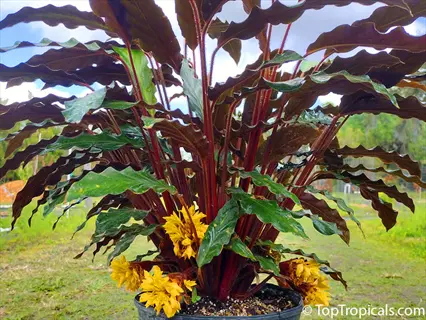
Calathea Rattlesnake (Lancifolia)
- Difficulty: One of the most forgiving calathea varieties, making it an excellent starting point for anyone new to this plant family.
- Leaves: Long, wavy-edged leaves feature a striking pattern of dark green spots on a light green background with deep purple undersides.
- Light: Tolerates a wider range of light conditions than most calatheas, from low to bright indirect light without leaf damage.
- Humidity: Performs well at moderate humidity levels around 50% to 60%, which is easier to maintain in average homes.
- Size: Grows to about 2 feet (60 centimeters) tall with an upright, slender growth habit that fits well on shelves and tables.
- Tip: This variety shows nyctinastic leaf movement more dramatically than many others, with leaves curling tightly at night.
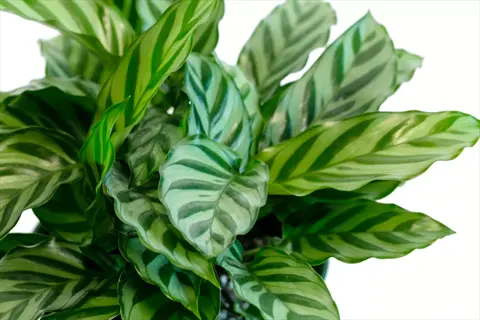
Calathea Freddie
- Difficulty: A hardy and low-maintenance variety that tolerates lower humidity better than most calatheas, perfect for beginners.
- Leaves: Light green leaves with darker green feather-like stripes running along the central vein create a subtle and elegant pattern.
- Light: Thrives in bright indirect light but also adapts well to medium light conditions near north-facing windows.
- Humidity: Tolerates standard household humidity around 40% to 50% better than fussier varieties like Orbifolia or White Fusion.
- Size: Compact grower reaching about 1 to 1.5 feet (30 to 45 centimeters), making it ideal for smaller spaces and desktops.
- Tip: Freddie bounces back quickly from minor care mistakes, so it is a great confidence builder before trying harder varieties.
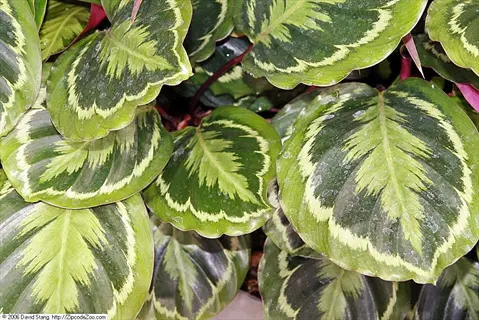
Calathea Medallion
- Difficulty: Moderate care level that rewards consistent attention with some of the most dramatic foliage patterns in the calathea family.
- Leaves: Large, round leaves feature dark and light green medallion patterns on top with rich burgundy-purple coloring underneath.
- Light: Requires bright indirect light to maintain its vivid color contrast, as too little light causes the patterns to fade over time.
- Humidity: Needs humidity above 60% to prevent brown leaf edges, so a humidifier nearby produces the best results.
- Size: Grows to about 1 to 2 feet (30 to 60 centimeters) tall and wide, forming a full and bushy rosette shape.
- Tip: Rotate the pot a quarter turn each week to ensure even growth and balanced light exposure on all sides.
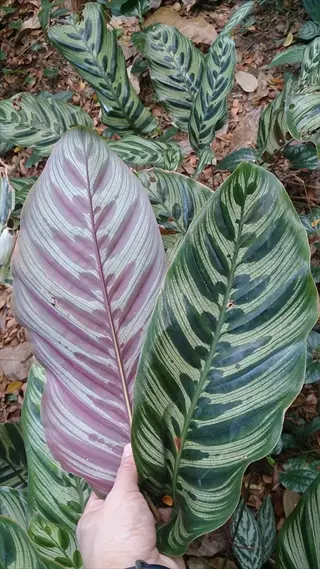
Calathea Peacock (Makoyana)
- Difficulty: Moderate care requirements similar to Medallion, with research confirming it saturates at just 400 micromoles of light per square meter.
- Leaves: Thin, semi-translucent leaves display intricate peacock feather patterns in green and cream with purple undersides visible when backlit.
- Light: Peer-reviewed research by Nguyen et al. (2018) classified this species as a shade plant with one of the lowest light saturation points.
- Humidity: Requires consistent humidity above 60% and is one of the first varieties to show brown edges when humidity drops.
- Size: Reaches 1.5 to 2 feet (45 to 60 centimeters) tall and has a graceful, spreading habit that looks stunning in a grouped display.
- Tip: Place near other humidity-loving plants to create a microclimate that raises moisture levels around the foliage.
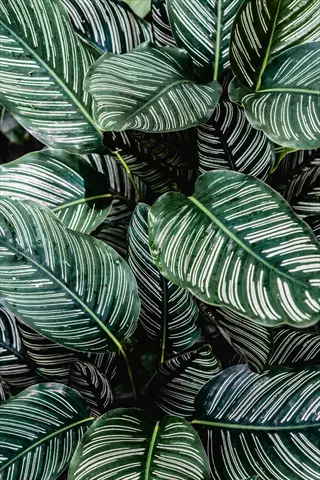
Calathea Pinstripe (Ornata)
- Difficulty: Moderate to slightly demanding, requiring consistent humidity and careful watering but rewarding growers with stunning foliage.
- Leaves: Dark green, almost black leaves are decorated with thin pink-white pinstripe lines that fade to cream as the leaf matures.
- Light: Performs best in bright indirect light and will lose its distinctive pink striping if placed in too much shade or direct sun.
- Humidity: Needs humidity around 60 to 70% and responds fast with crispy edges when the air is too dry for extended periods.
- Size: One of the taller varieties, reaching 2 to 3 feet (60 to 90 centimeters) tall and making a bold statement as a floor plant.
- Tip: New leaves emerge tightly rolled with bright pink stripes that lighten over time, so fresh growth is always the most colorful.
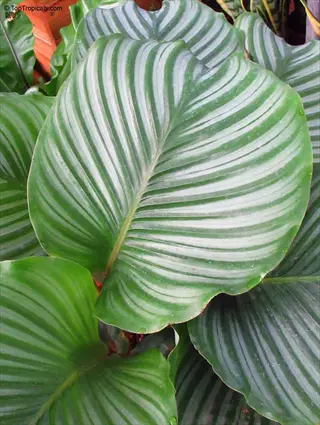
Calathea Orbifolia
- Difficulty: More demanding than average calatheas, requiring precise humidity and watering routines to prevent leaf deterioration.
- Leaves: Large, round leaves can span 8 to 12 inches (20 to 30 centimeters) wide with subtle silver-green stripes on a medium green base.
- Light: Needs bright indirect light but scorches easily in any direct sun, even brief morning rays through an east-facing window.
- Humidity: One of the most humidity-sensitive varieties, needing 65 to 70% or higher to keep its large leaves free of brown patches.
- Size: A larger specimen growing to 2 to 2.5 feet (60 to 75 centimeters) tall with broad leaves that create an impressive tropical canopy look.
- Tip: Orbifolia is extra sensitive to tap water chemicals, so always use filtered, distilled, or rainwater for the best results.
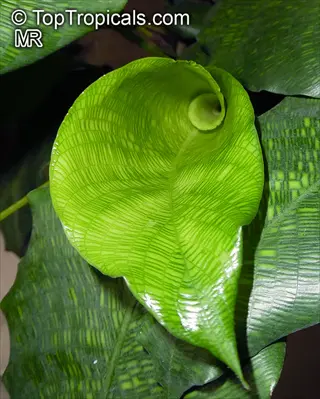
Calathea Musaica (Network)
- Difficulty: Moderate care with slightly better tolerance for humidity fluctuations than Orbifolia, making it a solid intermediate choice.
- Leaves: Features a unique mosaic or network pattern of fine lines that looks like tiny tiles arranged across the bright green leaf surface.
- Light: Adapts to a range of indirect light conditions from medium to bright, and the intricate pattern remains visible even in lower light.
- Humidity: Appreciates humidity above 55 to 60% but handles brief dips better than many other calathea varieties without instant damage.
- Size: Compact to medium growth reaching about 1.5 to 2 feet (45 to 60 centimeters) with a bushy, upright habit suitable for tabletops.
- Tip: The network pattern becomes more defined and striking as the plant matures, so patience is rewarded with more and more impressive leaves.
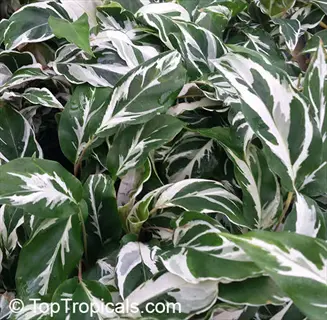
Calathea White Fusion
- Difficulty: The most challenging common calathea variety, requiring expert-level humidity control and precise watering to maintain its stunning variegation.
- Leaves: Dramatic white, green, and lilac marbled variegation with purple undersides makes this one of the most striking houseplants available.
- Light: Needs bright indirect light to support its variegated leaves but burns quickly in any direct sunlight, making placement critical.
- Humidity: Demands consistent humidity above 70% and will develop brown, crispy patches within days if humidity drops below that level.
- Size: Grows to about 1.5 to 2 feet (45 to 60 centimeters) tall, though maintaining a full and healthy specimen at this size takes dedication.
- Tip: Consider keeping White Fusion in a cabinet greenhouse or terrarium setup where humidity can be maintained above 70% at all times.
Light and Placement
Most care guides tell you to give your calathea "bright indirect light" and leave it at that. But calathea light requirements go deeper than a vague label. Research from Nguyen et al. shows that calatheas max out their food production at just 400 to 600 micromoles of light per square meter per second. Above that level, their leaves start to suffer and growth slows down.
Think of your calathea like a forest floor dweller. It grew up under a dense canopy that filters about 95% of sunlight before it hits the ground. A sheer curtain on your window does the same job. I learned this the hard way when I placed my first Medallion on a south facing windowsill and watched the leaf patterns fade within a week.
Your calathea window placement matters more than most people realize. A north or east facing window gives you the best results without extra work. West and south windows need a sheer curtain or you should move the pot 3 to 8 feet back from the glass. If your room has no natural light at all, a full spectrum grow light set to 12 hours a day does the trick. This calathea shade plant thrives when you give it the right amount of gentle light.
Those dark green sections on your calathea leaves pack more chlorophyll than the lighter areas. That extra chlorophyll lets the plant squeeze more energy from dim light. It explains why calatheas show such vivid two tone patterns and why bright indirect light brings out the best colors in your plant.
Watering and Water Quality
Calathea watering trips up more growers than any other part of care. A Brooklyn Botanic Garden instructor puts it best. She says compacted soil from bad watering is the number one cause of crispy leaves. I learned that lesson with my first 3 calatheas. Each one died because I gave it too much water or used the wrong kind.
You should water your calathea when the top 1 to 2 inches of soil feel dry to your finger. Pick up the pot to feel its weight. A light pot means it needs a drink. Overwatering calathea is the fastest way to kill it because soggy roots rot in days. Let the water drain out the bottom and never leave the pot sitting in a saucer full of water.
Water quality matters just as much as your schedule. Picture drinking water with a strong chlorine taste each day. Your calathea reacts to calathea tap water chemicals the same way but shows brown leaf tips instead of a grimace. Filtered water or distilled water solves this problem fast. One thing most guides get wrong is that sitting calathea tap water out for 24 hours removes chlorine. That trick works for free chlorine but not for chloramine, which many cities now use. Bottom watering works great for calatheas too since it pulls moisture up through the roots without compacting the soil surface.
Soil, Feeding, and Repotting
Your calathea soil mix can make or break the health of your plant. Think of it like building a custom mattress. The calathea potting mix needs to hold enough moisture to keep roots happy but drain fast enough to stop root rot. Most store bought mixes hold too much water for calatheas. I switched to a custom blend 4 years ago and the difference in my plants was obvious within weeks.
The Brooklyn Botanic Garden shares a calathea soil recipe that I swear by. You want 50% potting mix, 20% peat moss, 20% perlite, and 10% coconut coir. The peat moss holds water at the right level while the perlite creates air pockets that keep roots breathing. This well-draining soil mix matches what researchers used in lab trials at 80% humidity and 86°F. You can grab all these items at any garden center for under $20 total.
Potting Mix (50 Percent)
- Purpose: Forms the nutrient-rich base of your calathea soil, providing essential minerals and organic matter for steady root growth.
- Selection: Choose a peat-based indoor potting mix without added moisture crystals, as these can retain too much water around sensitive calathea roots.
- Application: This component makes up half the total volume and provides the structure and nutrition that supports long-term plant health.
Peat Moss (20 Percent)
- Purpose: Retains moisture throughout the soil while creating a slight acid level that calatheas prefer for taking in nutrients.
- Selection: Use fine-grade sphagnum peat moss that has been pre-moistened, since dry peat pushes water away at first contact.
- Application: Mix well with the potting base before adding other items to ensure even moisture spread through the whole container.
Perlite (20 Percent)
- Purpose: Creates air pockets in the soil that prevent compaction and allow oxygen to reach the roots, reducing the risk of root rot.
- Selection: Choose medium-grade perlite rather than fine, as larger pieces maintain better drainage over time without breaking down.
- Application: Brooklyn Botanic Garden research used a 4:1 peat-to-perlite ratio in growing trials, confirming this amount supports healthy calathea growth.
Coconut Coir (10 Percent)
- Purpose: Adds moisture retention and improves soil texture while being better for the planet than adding more peat moss.
- Selection: Use pre-washed and buffered coir to avoid excess salt content that can damage calathea roots and cause leaf tip browning.
- Application: This small amount rounds out the mix by balancing drainage and water retention for the ideal feel calatheas need.
Use a balanced liquid calathea fertilizer at half strength every 2 to 4 weeks in spring and summer. Stop feeding in fall and winter when growth slows down. For calathea repotting, move to a pot 1 to 2 inches bigger every 1 to 2 years. Spring is the best time because your plant bounces back fast during its growing season.
Troubleshooting Leaf Problems
Calathea common problems show up in the leaves first. Your plant tells you what it needs if you know how to read the signs. I treat calathea leaf problems like a detective case. You start with the most likely cause and work your way down the list. Check your water quality first, then humidity, then light, and look for pests last.
Calathea brown tips are the complaint I hear most from other growers. In almost every case the cause is tap water chemicals or low humidity. Calathea leaves curling means the plant is too dry or too cold. Calathea yellow leaves point to overwatering or poor drainage in most cases. Calathea drooping that does not fix itself after watering often means a temperature shock or cold draft hit the plant.
Pests can also cause leaf damage that looks like a care problem. Spider mites leave tiny webs on the bottom of leaves and make the foliage look dusty. Fungus gnats show up when your soil stays too wet for too long. The Brooklyn Botanic Garden says to quarantine new plants at least 6 feet away from your collection for 2 weeks to stop pests from spreading. Skip the pebble tray for humidity since it draws in fungus gnats. Use a humidifier instead.
Propagation and Long-Term Care
Calathea propagation works in one way and one way alone. You cannot root a leaf cutting in water like you would with a pothos. Calatheas grow from rhizomes under the soil, so calathea division is your sole option. Think of it like separating two plants that share one root system. Each piece needs its own roots and at least 5 to 6 leaves to survive on its own.
Water your calathea 2 days before you plan to divide it. This keeps the roots soft and makes them easier to pull apart without tearing. When you split the root ball, mix some of the old soil with fresh mix to reduce transplant shock. I did my first calathea division on a Rattlesnake plant and got 3 strong sections from a single pot. Keep new divisions in a warm, humid spot and avoid direct sun for the first 2 weeks.
Long-term care is where most guides leave you hanging. The Brooklyn Botanic Garden says calatheas can live for decades when you treat them right. Calathea repotting every 1 to 2 years keeps roots from getting cramped. For calathea seasonal care, adjust your watering and feeding based on the time of year. I keep my calathea companion plants like Pothos and Ferns right next to them. They all love humid spots with soft light.
Spring (March to May)
- Watering: Increase watering as growth picks up and the plant starts to push out new leaves from its rhizome system.
- Feeding: Start fertilizing with a balanced liquid houseplant food diluted to half strength every 2 to 4 weeks during active growth.
- Tasks: This is the ideal time for repotting and calathea division, as the plant recovers fastest during its active growing season.
Summer (June to August)
- Watering: Check soil moisture more often as higher temps increase evaporation. Water when the top inch (2.5 centimeters) feels dry.
- Feeding: Keep fertilizing at half strength every 2 to 4 weeks and watch for white salt crust on the soil surface.
- Tasks: Keep your plant away from AC vents, maintain humidity with a humidifier, and group plants together for a moisture boost.
Fall (September to November)
- Watering: Slow down your watering schedule as growth fades and the plant gets ready for its winter rest period.
- Feeding: Stop all fertilizer by mid-fall to avoid salt buildup in soil when the plant can't use the extra nutrients.
- Tasks: Move your calathea away from cold windows and drafty doors. Add a humidifier as indoor heating dries the air.
Winter (December to February)
- Watering: Water less often but don't let soil go bone dry. Check every 10 to 14 days instead of the weekly summer routine.
- Feeding: Skip fertilizer during winter dormancy. Roots are less active and extra nutrients can burn sensitive calathea roots.
- Tasks: Watch humidity levels close since heating systems can drop indoor moisture below 30%, which causes rapid leaf damage.
5 Common Myths
Calatheas need very low light and can thrive in dark corners of your home far from windows.
Calatheas are shade plants but still need bright indirect light, as research shows their photosynthesis peaks around 400 to 600 micromoles of light.
Misting your calathea every day will provide enough humidity to keep its leaves from turning brown and crispy.
Brooklyn Botanic Garden experts confirm that misting is ineffective for sustaining humidity, and a humidifier or grouped plants work far better.
All calathea varieties have the same care needs, so you can treat every type exactly the same way.
Varieties like White Fusion need higher humidity and more careful watering than hardier types like Rattlesnake or Freddie, which tolerate wider conditions.
Calatheas are toxic to pets, so you must keep them away from cats and dogs at all times.
The ASPCA lists all calathea varieties as non-toxic to cats, dogs, and horses, making them one of the safest ornamental houseplant families.
You can propagate calathea from a single leaf cutting placed in water, similar to pothos or philodendron.
Calatheas can only be propagated through root division because they grow from rhizomes, and each division needs at least five to six leaves to survive.
Conclusion
In my experience, calathea care comes down to 3 big things. Give your calathea plant bright indirect light that matches its shade plant roots. Use filtered or distilled water to keep those leaf tips green. And keep humidity above 60% with a humidifier instead of misting. The BBG soil recipe of 50/20/20/10 gives you the perfect base to build on.
Your calathea is a tropical houseplant at heart. Your job is to recreate a small pocket of the rainforest in your home with consistent moisture, gentle light, and warm humid air. The ASPCA confirms that all prayer plant varieties are safe for cats, dogs, and horses. That makes them one of the best indoor plants for pet owners who want a stunning display.
I tell every new grower the same thing. Start with a Rattlesnake or Freddie and learn the basics before you chase a White Fusion. Those first calatheas will teach you how to read your plant and spot problems early. Once you have the rhythm down, you can grow any variety with confidence.
Your calathea can live for decades when you get the care right. That is not a guess. The Brooklyn Botanic Garden confirms it. With the science and tips from this guide, you have everything you need to keep your prayer plant thriving for years to come.
External Sources
Frequently Asked Questions
How do you care for a Calathea plant?
Provide bright indirect light, keep humidity above 60 percent, water with filtered water when the top inch of soil dries, and use a well-draining soil mix.
Where should I put Calathea in my house?
Place your Calathea near a north-facing or east-facing window where it receives bright indirect light without direct sun exposure.
How often do I water Calathea?
Water your Calathea when the top 1 to 2 inches of soil feel dry, typically every 7 to 10 days depending on humidity and season.
Why is Calathea called a prayer plant?
Calathea leaves fold upward at night through nyctinasty, a circadian movement controlled by water pressure at the pulvinus joint, resembling hands in prayer.
What is a common problem with calathea?
Brown leaf tips and edges are the most common problem, usually caused by low humidity, tap water minerals, or inconsistent watering.
How to make a calathea happy?
Keep humidity above 60 percent, use filtered water, provide bright indirect light, and maintain consistent watering and temperature.
Do calatheas like bathrooms?
Bathrooms with natural light are excellent for calatheas because they provide the high humidity these tropical plants prefer.
How do you know if Calathea is happy?
A happy Calathea shows vibrant leaf colors, regular nyctinastic leaf movement, new growth, and leaves that are free of brown edges or curling.
Is tap water okay for Calathea?
Tap water often contains chlorine and fluoride that cause brown leaf tips on Calathea, so filtered or distilled water is strongly recommended.
Should you mist Calathea daily?
Misting provides only temporary humidity and is ineffective for Calathea care according to Brooklyn Botanic Garden experts, so use a humidifier instead.